
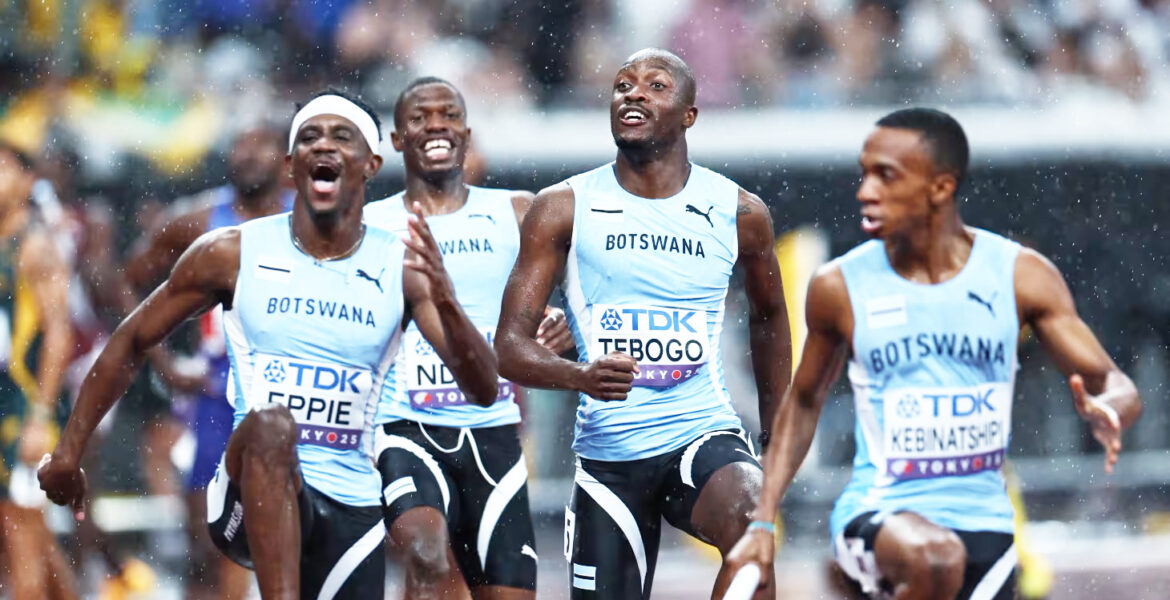
After pre-World Relays camp tensions exposed familiar cracks in athlete welfare, BNOC says the IOC grant could shift support closer to competitors and protect Botswana sport from damaging last-minute standoffs.
BONGANI MALUNGA
The introduction of a new US$10 000 International Olympic Committee (IOC) athlete grant could provide Botswana’s elite athletes with a financial safety net and help prevent a repeat of the welfare disputes that have often overshadowed preparations for major international competitions.
The Botswana National Olympic Committee (BNOC) has welcomed the initiative, saying it could ease some of the financial pressures that have historically followed athletes into camp, including concerns over allowances, training support, competition readiness and incentives.
The development comes after Botswana athletes raised concerns over support structures shortly before the 2026 World Athletics Relays, with some reportedly threatening to withdraw from camp over grievances linked to allowances and incentives.
Although Botswana went on to compete and deliver historic performances at the championships, the pre-event tension once again exposed a recurring problem in local sport: athletes are often expected to perform at the highest level while still fighting for clarity on basic preparation support.
Financial Safety Net
BNOC president Tshepo Sitale believes the IOC grant has the potential to address some of these challenges by placing direct financial assistance closer to athletes as they pursue Olympic qualification.
“The grant is a very important intervention because it speaks directly to athletes and their preparations. It gives them resources that can assist with training, travelling, recovery, nutrition and other needs that are critical in preparing for the highest level of competition,” Sitale said in a televised interview.
The IOC initiative forms part of a broader athlete support programme designed to recognise the sacrifices made by Olympians and provide financial assistance to competitors. The grant is expected to provide US$10 000 to eligible athletes, with the funding aimed at supporting their sporting journey rather than serving as prize money.
Old Grievances
For Botswana, where athletes have often depended on national federations, sponsors and government structures to finance preparation programmes, the intervention could reduce pressure on sports bodies while giving athletes greater confidence that their basic competition needs will be met.
The World Relays episode exposed how vulnerable elite athletes can be when financial commitments are unclear, delayed or poorly communicated. It also raised questions about whether Botswana’s growing reputation as an athletics powerhouse is being matched by equally strong athlete welfare systems.
The issue has become one of the recurring disputes that puts a damper on local sport. Even when athletes eventually deliver on the track, court or field, last-minute disagreements over allowances and incentives can shift public attention away from performance and towards administration.
Athlete-Centred Support
Sitale believes the grant represents a shift towards athlete-centred support, ensuring that competitors are better equipped long before they step onto the international stage.
According to the BNOC president, the intervention is about empowering athletes and ensuring they have the support needed to focus fully on performance. He underlined that athletes should not be worrying about basic preparations when they are carrying the hopes of the nation.
The funding could prove particularly significant as Botswana builds towards the 2028 Summer Olympics, where the country will look to continue its recent success in athletics after emerging as a global force in sprinting and relay events.
For Botswana sport, the grant may not solve every welfare concern. But it could help reduce the kind of last-minute standoffs that have too often threatened to overshadow the country’s biggest sporting moments.