
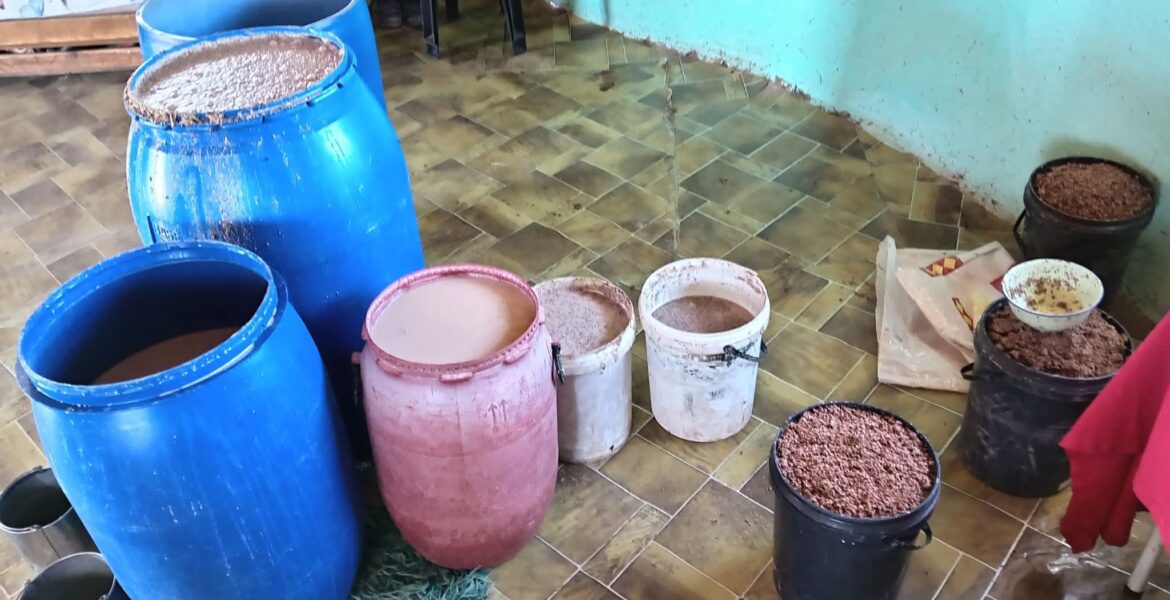
- For generations, traditional beer brewing has quietly sustained families, educated children and powered an informal economy that refuses to disappear
TLOTLO KEBINAKGABO
Before sunrise, fires are already crackling in many homesteads across Botswana. Large blackened pots simmer slowly, not just with sorghum and water, but with hope. For decades, traditional beer brewing has functioned as one of the country’s most dependable informal businesses, sustaining households long before grants, loans or formal employment became widespread.
Bojalwa jwa Setswana and khadi were never marketed as enterprises. They emerged out of necessity. With minimal capital and basic equipment, parents — often women — transformed time, skill and patience into income. The returns were modest but reliable: money for food, school uniforms, exam fees and, occasionally, dignity in the face of limited options.
Generational trade
Boitshoko Malebadi Matlakele, 79, from Borobadilepe village, about 26km from Goodhope, is one such story. Speaking in a telephone interview, she said brewing traditional beer allowed her to raise 11 children — two of whom have since passed — largely on her own.
“As we are speaking, they are old people with their own families,” she said. “One of them is even a soldier at Glen Valley. I am very proud of how they have turned out.”
Matlakele cannot recall exactly when she started brewing, only that the skill was passed down by her grandmother. “I stayed with her a lot because my mother travelled to places like Transvaal,” she said. “My grandmother always told me this kind of business can sustain you, no matter what.”
Though age has slowed her down, Matlakele is still active. Last year, she brewed voluntarily for a kgotla event in another village. “Even those who don’t drink had a few sips,” she laughed, recalling the reaction.
Community backbone
Kgosi Kedirile Letshabo of Molapowabojang, about 16km from Lobatse, said traditional brewing has long supported families in his village and others like it. “For years, there are families who have run this business to support their households,” he said.
Today, brewers are required to comply with the Liquor Act. “They have to acquire permits to operate, and many come to village leadership to request them,” Letshabo explained.
He recalled a well-known brewing spot, Kwa Ga Mma Kay-Abee, run by an elderly woman who raised children who later became respected figures in the village. “Everyone knew that place,” he said. “It fed families.”
Quiet economy
Because it exists largely outside formal registration and taxation systems, traditional brewing is often overlooked. Yet its economic footprint is visible in classrooms, graduation ceremonies and professional offices across the country. Many teachers, nurses and civil servants are products of households supported by this informal trade.
Still, the sector faces mounting pressure. Stricter regulation, changing social attitudes, rising input costs and tougher policing in some areas have reduced profitability. Younger generations are also less inclined to continue, viewing the trade as outdated or socially risky.
Enduring dignity
Despite these challenges, traditional beer brewing persists. It is not driven by ambition or growth targets, but by responsibility. For many parents, it was never about alcohol sales. It was about survival, independence and ensuring that children had better options than their parents did.
Long after sunrise, when the pots are emptied and the fires die down, the quiet legacy of this trade continues — in lives shaped, educated and sustained by what once simmered in those pots.