
- Botswana’s tourism sector struggles to recover from COVID-19, facing funding shortfalls, regulatory hurdles, and declining government demand
TLOTLO KEBINAKGABO
Botswana’s tourism sector — long seen as a pillar of economic growth and job creation — is showing clear signs of financial strain, according to data and analysis presented by the Citizen Entrepreneurial Development Agency (CEDA) at the Tourism Pitso 2026 Panel Discussion.
Since its inception, the Agency has funded 334 tourism businesses valued at P552 million, creating 2,485 jobs. But behind those headline figures lies a struggling loan book, with P50.8 million currently in arrears — a signal of deeper structural challenges in the sector.
“The sector is not performing as well as it should,” said CEDA Caretaker CEO Khalala Mokefane, attributing the downturn to both economic shocks and long-standing market weaknesses.
Pandemic Impact
An internal analysis of CEDA’s funding trends shows a sharp decline in both the number of businesses financed and total investment values since 2020. The downturn coincides with the COVID-19 pandemic, which dealt a severe blow to tourism operations, revenues, and investor confidence. The effects, according to the Agency, are still being felt across the broader economy.
Annual investment figures reflect this slump, with 2022 recorded as the weakest performing year. The slowdown has not only reduced new project funding but has also weakened the sustainability of existing tourism enterprises.
High-Impact Projects
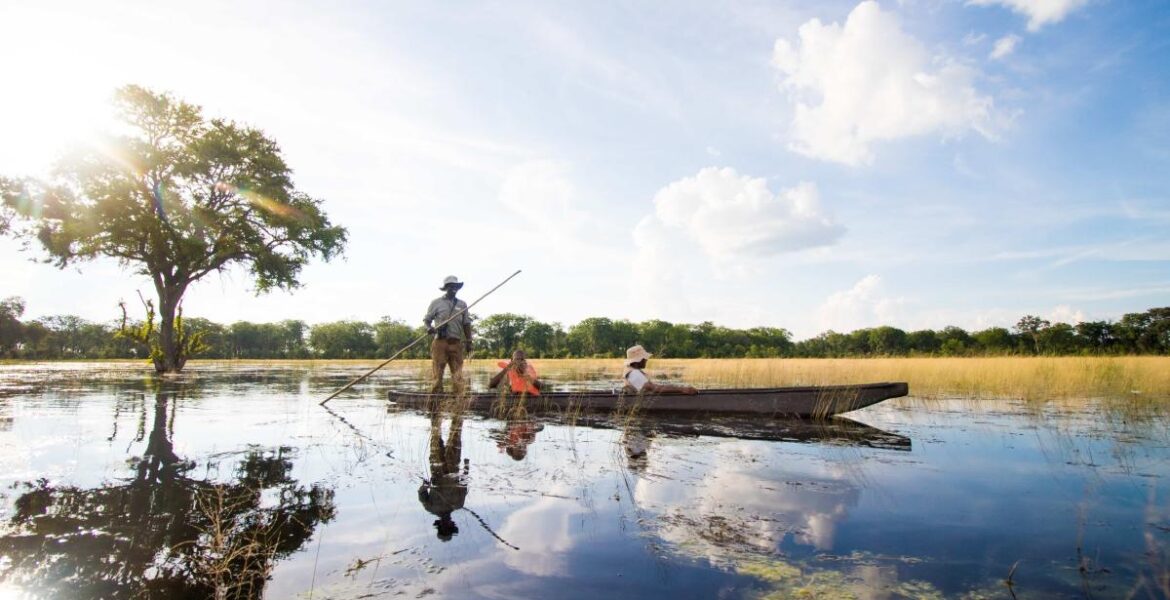
Despite the challenges, CEDA’s tourism portfolio includes 86 high-impact businesses — projects defined by their measurable economic and social benefits. These investments are concentrated in strategic ecotourism destinations such as the Okavango Delta, Chobe, and the Kalahari Trans Frontier Park (KTP).
The total investment in these high-impact projects stands at P194.7 million, supporting the creation of 618 jobs. The Agency has also financed citizen-owned enterprises in these areas, positioning tourism as both an economic and community development tool.
Structural Barriers
Mokefane outlined multiple obstacles undermining the sector’s financial sustainability. High start-up and operating costs remain a major barrier, especially for lodges, camps, and safari operations that require significant capital for land, construction, vehicles, and equipment.
Revenue instability is another critical risk. Many operators rely heavily on international tourists, making them vulnerable to seasonality and global disruptions. “This revenue instability increases perceived risk and makes lenders more cautious,” Mokefane said.
Regulatory challenges further complicate investment. Licensing processes are described as complex, costly, and slow, delaying project implementation and access to finance. In the KTP, regulatory differences between Botswana and South Africa place local operators at a disadvantage, restricting activities such as night game drives and permanent infrastructure development.
Government demand, once a reliable market, has also declined. The introduction of local per diem rates in 2024 and reduced government travel have significantly affected accommodation facilities, shrinking bookings and revenues.
Poor road connectivity to tourism sites, lingering COVID-19 impacts, and gaps in business management skills among emerging entrepreneurs continue to weaken the sector’s resilience.
As Mokefane noted, many clients lack “adequate financial planning skills and historical financial records,” undermining creditworthiness and long-term sustainability.
Together, these pressures paint a picture of a sector still struggling to recover — and one where funding alone is no longer enough without structural reform, market diversification, and institutional support.