
By Douglas Rasbash
A Troubling Start to 2026
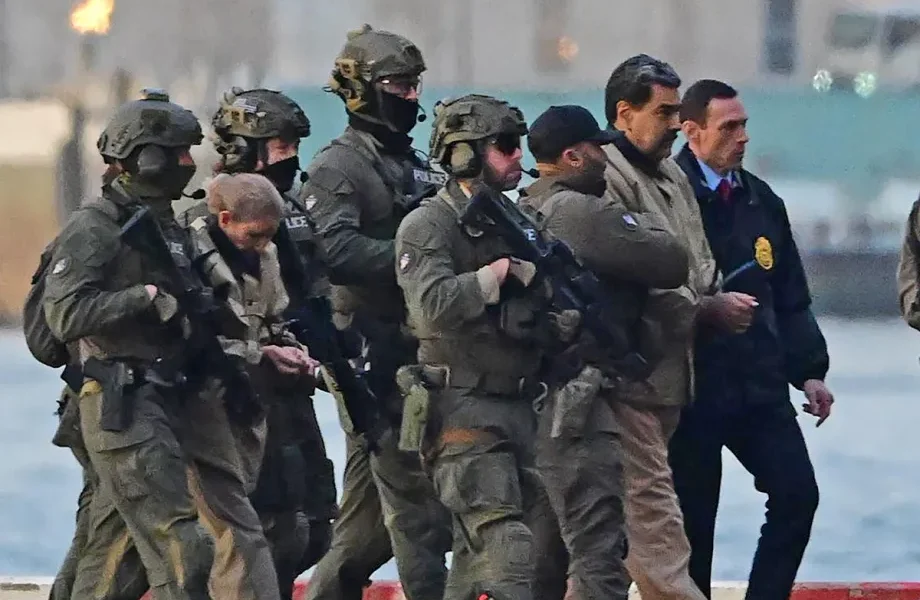
As 2026 began, hopes for a peaceful year were quickly disrupted by reports of a US-led operation in Venezuela, including the detention of the country’s sitting president. For many observers, the incident symbolised a deeper shift in global politics. For decades, the international system has claimed to operate on the principles of sovereignty, non-intervention and rule-based order, as enshrined in the United Nations Charter. Yet recent events suggest that power continues to shape outcomes, even if it now does so through subtler means.
From Empires to Influence
Traditional imperialism may have faded, but its modern form has adapted. Power today is exercised through financial systems, sanctions, trade restrictions and diplomatic recognition. The language of conquest has been replaced by the vocabulary of markets, human rights and security. While these tools are often justified on moral grounds, their impact frequently reflects economic and strategic priorities rather than consistent principles.
Venezuela and Economic Pressure
Venezuela illustrates how modern power is deployed. Under President Nicolás Maduro, democratic space narrowed and human rights abuses were documented. However, it was not governance failures alone that turned Venezuela into a global flashpoint. The country holds the world’s largest proven oil reserves, making it strategically important. Instead of military invasion, pressure took the form of financial sanctions, oil export restrictions, asset freezes and diplomatic isolation. The economic impact was severe. Everyday life became unsustainable for millions, triggering a mass exodus of more than seven million people across Latin America. Public services deteriorated, incomes collapsed and families were separated. Yet political elites endured, and new trading partners emerged. What suffered most was society itself.
Shifting Priorities
Today, as energy markets tighten, sanctions are being quietly eased and Venezuelan oil is re-entering global supply chains. This has prompted renewed questions about motivation. If the primary objective was human rights, critics ask why pressure has softened as strategic energy needs grow. The episode highlights how geopolitical priorities can evolve rapidly when economic interests are at stake.
Ukraine and Strategic Geography
Ukraine presents another example of how value shapes international attention. The human suffering is undeniable, and the country’s sovereignty is widely supported. However, analysts note that eastern Ukraine contains major industrial assets, fertile agricultural land and key transport routes. It raises an uncomfortable question: would global engagement be as intense if the territory held less economic value? This dynamic reflects a form of modern imperialism driven by access and influence rather than direct annexation.
The Limits of International Law
The United Nations Charter was designed to restrain the powerful and prevent unilateral action. However, its effectiveness depends on voluntary compliance. In practice, enforcement remains uneven. Powerful states retain the ability to interpret rules to suit their interests, often justifying actions through legal or humanitarian narratives.
Lessons for Smaller States
While Botswana is far removed from global conflict zones, the implications are relevant. Stability, strong governance and predictability have made Botswana a respected international partner. However, these strengths do not guarantee immunity from global power dynamics. Economic diversification, strategic foresight and policy independence are increasingly important forms of national defence.
Power and Principle
The challenge for smaller nations is not to reject global engagement, but to understand how power operates within it. The international system promised that law would restrain dominance. Instead, power has learned to operate through legal and economic frameworks. As 2026 unfolds, the lesson is clear: principles matter, but so does the reality of power. Sustainable security lies in preparedness, diversification and an honest understanding of global dynamics.