
A Ukrainian pianist turns every performance into testimony, trading ticket prices for human connection and making Botswana a stop on a global tour
GOSEGO MOTSUMI
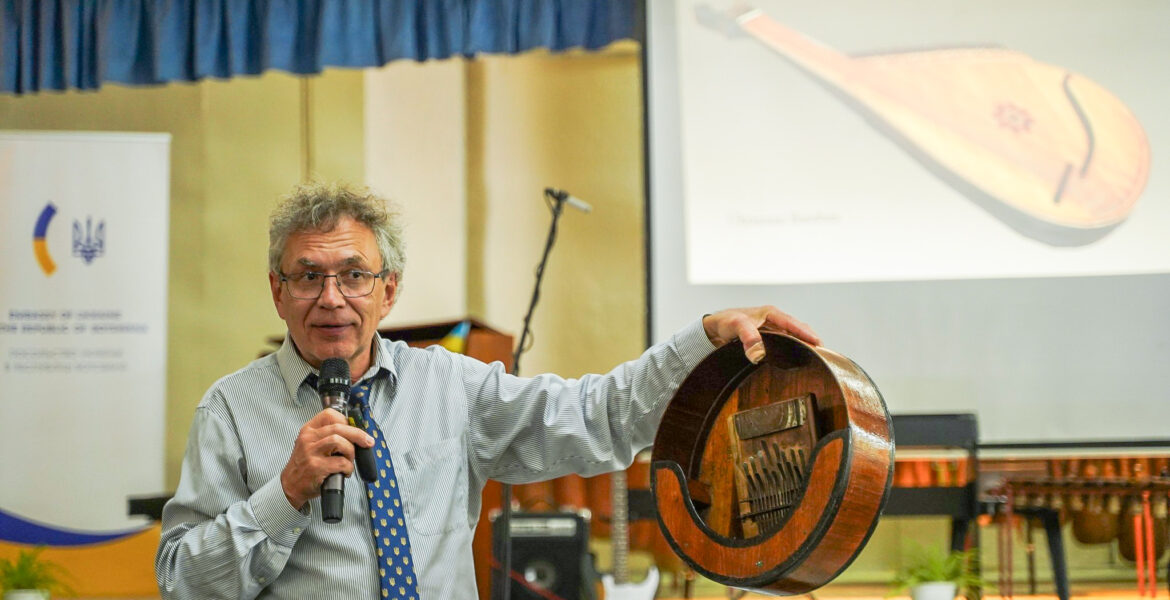
At Thornhill School Hall, the applause carried a different weight. This wasn’t just another classical recital — it was a refusal. Prominent Ukrainian Pianist and ethnomusicologist Dr Taras Filenko, a virtuoso who once played for packed European halls, now tours the world without charging a cent.
He was in Gaborone over the weekend performing at the United By Music concert. “We are not just here to appreciate music,” he told the audience, “but to show our commitment to human values.”
MUSIC AS WITNESS
Since the war began, Filenko has transformed his career into a cultural mission, using the piano as a storytelling device. According to the Embassy of Ukraine in the Republic of Botswana’s representative Anastasiia Sheremet, he “wanted to donate his talent… to teach people about our pain, our music, what stands behind this war. Music and culture can help us bridge the gaps and bring people closer to each other.”
In Gaborone, that pain arrived wrapped in melod— a Prelude in Memory of Taras Shevchenko– Yakiv Stepovy dissolving into African spiritual textures.
ORCHESTRA AS DIPLOMACY
Backed by the Gaborone Community Orchestra, the programme moved like a sonic passport: Ukrainian compositions, Setswana traditionals, Xhosa hymns and a surprise orchestral nod to Black Coffee–Drive. The dual national anthems, performed in orchestral form, were the emotional fulcrum of the night. No speeches. No politics. Just melody doing what language cannot.
The concert was dedicated to civilians lost to war, turning the hall into a memorial without speeches.
TSWANOPERA MEETS KYIV
Enter Queen Ambassador Chedza Pansiri, whose TswanOpera fusion — Handel refracted through Khoisan, Kalanga and Zulu — blurred geography into a single emotional register. Alongside Royal Ambassador His Majesty Malatsi Siwa, the performance shifted from recital to ritual.
THE SOUND OF HEALING
What lingered after the final note wasn’t virtuosity — though there was plenty — but the idea that art can function as humanitarian aid. People from different histories sat in the same room, sharing silence between movements, letting the music do the diplomacy.