
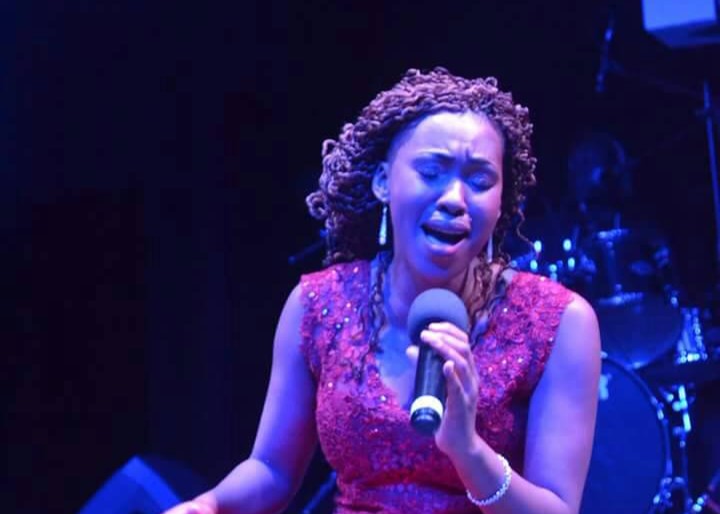
She vanished as Elté. She returns as a movement
GOSEGO MOTSUMI
Once a rising R&B darling, she slipped out of the spotlight without a goodbye. Now Lebo Daevi resurfaces — not with a single, but with an ecosystem. Divine Havoc is music, memoir, performance, and digital testimony stitched into one continuous act of reclamation.
What began as an album about her toxic marriage and the aftermath grew too large for a playlist. “The story couldn’t be contained by music alone,” she told Time Out. So she built a universe instead.
A CREATIVE ERA
Divine Havoc has since expanded into a creative era of expression and advocacy, particularly around emotional, psychological, and spiritual abuse.
“The scope of the content, and the intent behind it, demanded a form that could hold complexity, continuity, and truth without dilution,” she said.
Rather than sensationalising or instructing, the work will offer recognition and reflection. When people see their experiences mirrored with honesty, shame will begin to loosen and dissolve, and recognition becomes the first step toward reclamation.
“Art cannot undo harm but it can name it, help to raise awareness, educate the mass and naming is where freedom begins,” she said. “If the work achieves anything, I hope it opens space for conversation, for self-recognition, and for questioning systems we’ve been taught not to interrogate.”
THE HIATUS THAT WASN’T A BREAK
Her absence from 2015 wasn’t a creative drought; it was survival. A controlling marriage, blocked opportunities, a lost record deal. The industry called it disappearance. She calls it being stripped of autonomy.
“Creativity requires safety, autonomy, and space,” she says. “All of which were absent.”
Private journaling became research. Research became lyrics. Lyrics became advocacy. Silence became method.
NAME AS AUTHORSHIP
Elté was a persona shaped by expectation. Lebo Daevi is integration. The shift is less reinvention than repossession — of voice, narrative, and body.
No nostalgia tour is coming. This is not about picking up where she left off; it’s about dismantling the conditions that forced her to stop.
ART AS ECONOMIC SURVIVAL
There’s a practical rhythm beneath the poetry. She left her marriage with nothing but safety for herself and her child. Divine Havoc is also a blueprint for rebuilding —financially, emotionally, spiritually.
“I decided to return because this work is no longer optional or performative, it is necessary,” she added.
In a culture obsessed with comebacks, Lebo Daevi offers something sharper: a return with intent. Not a revival of a past self, but the arrival of a whole one — louder, deliberate, and finally in control of the mic.