
Ramaphosa’s chief economist has urged the South African government to respond “firmly but sensitively” to Botswana’s decision to reimpose import restrictions on fresh produce
GAZETTE REPORTER
Botswana and South Africa are facing renewed diplomatic and trade tensions after Gaborone reinstated wide-ranging restrictions on imported vegetables, barely a year after the new administration lifted similar bans imposed by the previous government.
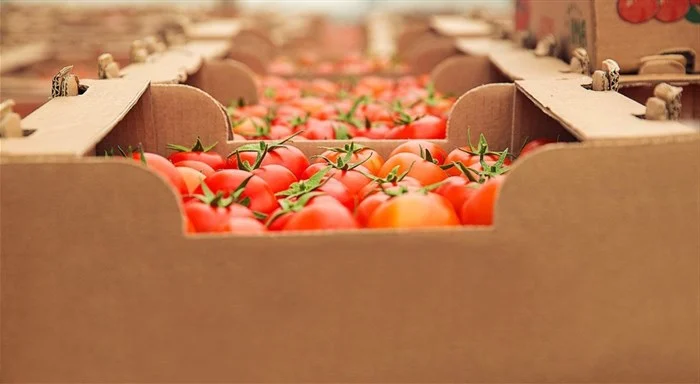
In a public notice dated 8 December 2025, the Ministry of Lands and Agriculture announced that a fresh list of commodities—including tomatoes, potatoes, onions, cabbages, carrots, peppers, garlic, butternut and several others—would be “restricted until further notice” due to what the ministry described as “relatively high local production and availability.”
The government urged consumers to buy local, signalling a return to protectionist food-security policies.
SOUTH AFRICAN STAKEHOLDERS CONCERNED
The decision has drawn swift criticism from agricultural stakeholders in South Africa, Botswana’s largest fresh-produce supplier and a key partner in the Southern African Customs Union (SACU).
Prominent South African agricultural economist Wandile Sihlobo, who also serves on President Cyril Ramaphosa’s economic advisory council, expressed disappointment, saying the move undermines ongoing regional integration efforts.
“It is frustrating to witness drastic policy changes with minimal consideration for regional ambitions,” he said. “These countries are part of SACU, a bloc promoting free trade, yet Botswana is again restricting imports that do not appear to fit the exemptions allowed under Article 18.”
Sihlobo warned that the bans could have serious financial implications for South African farmers who have traditionally relied on Botswana for market access. Botswana has historically absorbed up to 15% of South Africa’s vegetable exports, amounting to hundreds of millions of rand annually.
A SETBACK AFTER EARLIER PROGRESS
The tensions come despite earlier signs of rapprochement. In December 2024, South Africa’s Minister of International Relations Ronald Lamola publicly welcomed Botswana’s decision under President Duma Boko’s then-new administration to gradually lift the previous bans, which had cut South African exports to Botswana almost in half in 2023.
At the time, Lamola praised Botswana’s commitment to “fostering closer ties and facilitating trade” and expressed optimism about deeper agricultural cooperation at the 2025 South Africa–Botswana Binational Commission.
PRETORIA CONSIDERING ITS OPTIONS
With the latest reversal, however, Pretoria may be forced back into a defensive posture. Sihlobo urged the South African government to respond “firmly but sensitively,” cautioning against escalations that could harm regional relations.
“Having hostile neighbours will not benefit any citizens,” he said, suggesting that Botswana should instead coordinate import-restriction windows with South Africa and communicate policy shifts more clearly.
BOTSWANA DEFENDS ITS POSITION
Botswana has defended the policy as necessary to boost domestic production, support local farmers and reduce reliance on foreign suppliers. Critics, however, argue that the sudden changes create uncertainty for regional producers and further strain SACU’s credibility.