
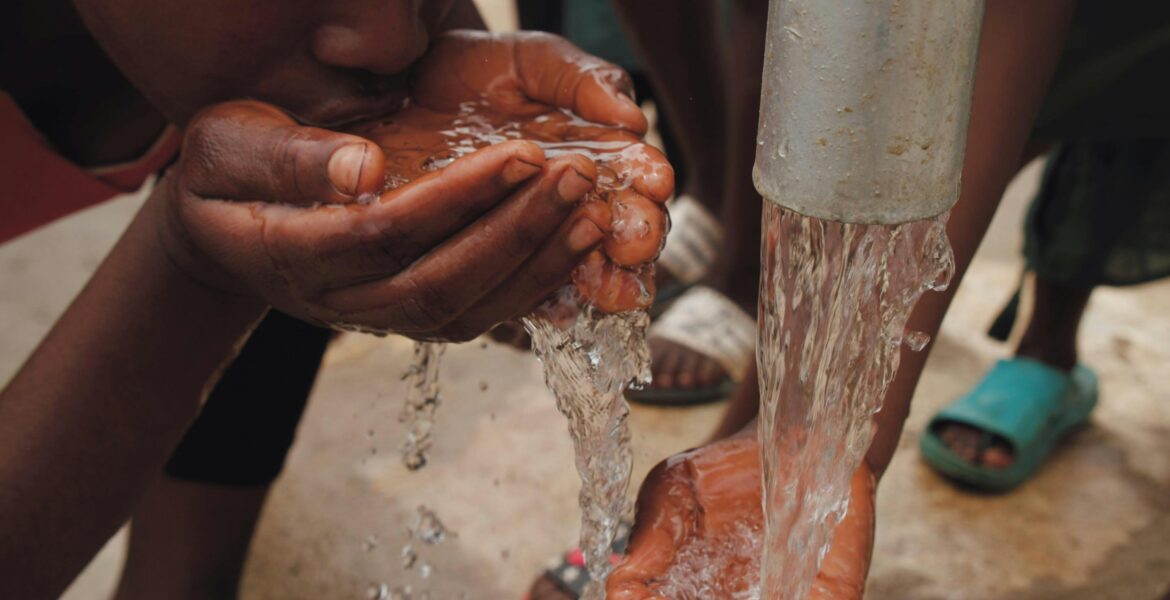
The WHO has warned of a deepening health crisis that is driven by unsafe water, poor sanitation, air pollution and climate-related threats in Botswana
GAZETTE REPORTER
Botswana faces a deepening health crisis that is driven by unsafe water, poor sanitation, air pollution and climate-related threats.
According to a new World Health Organisation (WHO) health and environmental scorecard that paints one of the starkest warnings yet for the country’s public health system.
The scorecard reveals that 66% of diarrhoea-related deaths in Botswana are directly linked to unsafe drinking water, inadequate sanitation and poor personal hygiene.
COSTING LIVES
Despite government allocations deemed adequate for national drinking water plans, only 75.94% of resources needed for urban and rural water supply have been met – a shortfall that health experts say is costing lives, especially among children, the elderly and low-income communities.
The report indicates that air quality has also emerged as a major blind spot. The WHO notes that 30% of deaths from stroke and ischemic heart disease are tied to exposure to air pollution.
Botswana has no legal standards for PM2.5, the dangerous fine particles that penetrate deep into the lungs, and national compliance with WHO air quality guidelines is unknown.
Policies addressing household energy use, which are a key source of indoor pollution, are similarly absent.
EXPOSURE TO EXTREME HEAT
The scorecard also indicates that climate change is amplifying risks.
With Botswana’s energy consumption still 100% dependent on fossil fuels and traditional biomass, the WHO warns of a projected 61-fold increase in heat-related deaths among people aged 65 and older by 2050 under a high-emissions scenario.
The country lacks a fully implemented national vulnerability assessment and adaptation plan, leaving older populations highly exposed to extreme heat.
The report highlights serious gaps in occupational safety. Informal employment accounts for 76% of all jobs, placing many workers in hazardous environments without adequate protections.
OCCUPATIONAL DISEASES
The WHO estimates 14 annual deaths per 100,000 working-age people from occupational diseases, while 4 per 100,000 die from injuries associated with working 55 hours or more per week. National occupational health policies remain only partially in force.
According to the scorecard, compounding the crisis are missing or incomplete standards for water, sanitation, hygiene and healthcare waste management in medical facilities.
Key data on infrastructure, including access to electricity, is also lacking.
ENVIRONMENTAL THREATS
The WHO says its scorecards are designed to help governments identify urgent gaps in managing major environmental threats.
For Botswana, the message is clear: without accelerated action on water, sanitation, air quality and climate resilience, preventable deaths will continue to rise.