
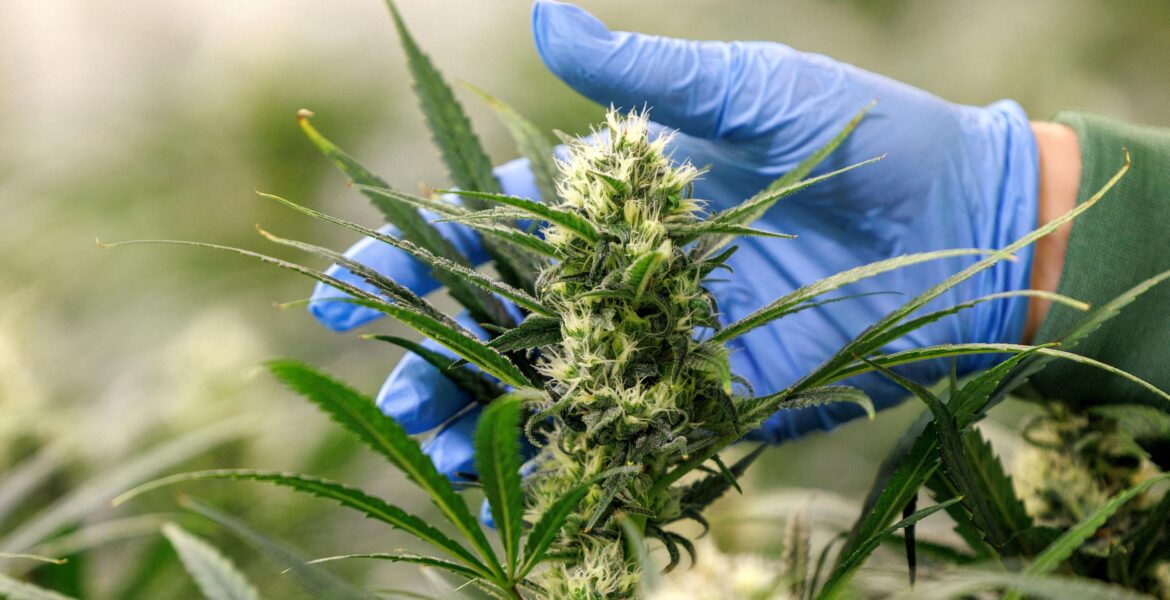
Botswana’s entry into the regulated cannabis market comes with heavy security oversight and steep licensing fees while raising concerns over access for small-scale and citizen entrepreneurs
GAZETTE REPORTER
Botswana’s emerging cannabis industry is poised to become one of the most tightly regulated and expensive in the region, with the Directorate of Intelligence and Security (DIS) and the Botswana Police Service playing a central role in vetting licence applicants.
This follows the Cannabis Regulations of 2026, which are set to be enforced by the National Cannabis Control Authority (NCCA). The regulations stipulate that anyone seeking a licence for cultivation, manufacturing, transportation, import, or export of cannabis must undergo rigorous security clearance, including intelligence vetting by the DIS and criminal record checks conducted by the Botswana Police Service. Applicants are also required to formally consent to the use of their personal information for compliance with the law.
APPLICATION
For cultivation licences, applicants must submit a comprehensive application accompanied by an application fee, a police security clearance report, and any additional documentation required by the NCCA. Among the factors assessed are detailed cultivation area plans with geographical coordinates, THC (tetrahydrocannabinoil) testing plans from accredited laboratories, crop management strategies, seed certification under the Seeds Act, and environmental and social impact assessment plans in line with the Environmental Assessment Act. THC is the main psychoactive compound in cannabis.
PROOF OF FUNDING
Proof of funding is mandatory, reinforcing concerns that the sector is capital intensive and likely to be dominated by well-resourced operators. Cultivation licences are categorised into commercial cultivation, nursery operations, and seed production. Licence holders are authorised not only to grow cannabis but also to possess, process, and sell it, including activities such as drying, trimming, and altering chemical or physical properties for testing purposes.
LICENSING
The regulations for manufacturing are similarly stringent. Applicants for industrial or medicinal processing licences must provide police clearance, financial reports from a recognised financial institution, and evidence of adequate funding. The NCCA also assesses the suitability of facilities, security systems, and skilled personnel.
Import and export licences come with equally strict requirements, including proof of funding, operational procedures, premises and security master plans, disposal plans, and any additional documentation the Authority may demand. Transportation of cannabis is tightly controlled, with vehicles required to have fully enclosed, windowless, and locked compartments inaccessible from the inside, and fitted with electronic security systems including alarms, motion detectors, and panic buttons. Transportation licences are valid for 12 months and require police security clearance.
24HR SURVEILLANCE
Licensees must maintain 24-hour surveillance, intrusion detection systems, restricted access to operational and storage areas, and physical barriers to prevent unauthorised access. Any breach constitutes a criminal offence, punishable by fines of up to P250,000, imprisonment for up to five years, or both.
The cost of entry into the cannabis industry is high. Cultivation licences cost P3,325 per hectare for citizens, P6,981 for joint ventures, and P8,310 for non-citizens. Processing and manufacturing licences range from P150,000 per year for citizens to P400,000 for non-citizens. Transportation licences cost between P13,000 and P56,000 per annum, while import and export licences are set at P16,000 annually for citizens.