
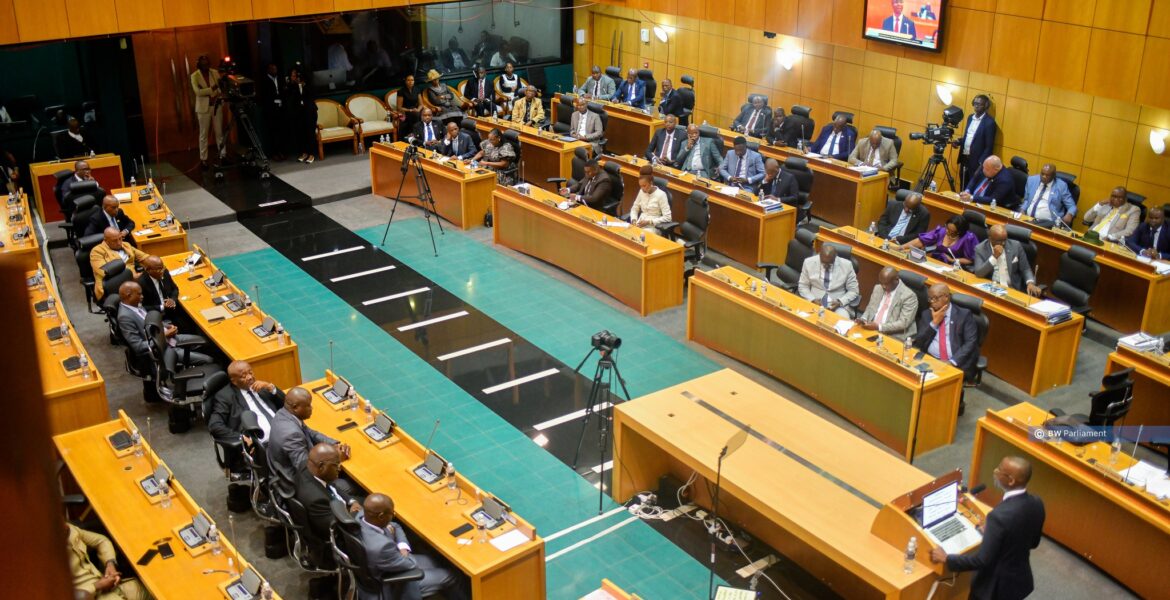
Parliament faces mounting scrutiny as resistance to asset declarations exposes deeper tensions over transparency and accountability
GAZETTE REPORTER
A fresh transparency storm is brewing in Parliament after a section of Members of Parliament (MPs) reportedly refused to back efforts to enforce asset declaration. This has exposed widening cracks over accountability in public office.
GROWING RESISTANCE
The standoff, confirmed in a response to the Botswana Gazette by the Ethics and Integrity Directorate, comes despite months of outreach and education aimed at encouraging lawmakers to disclose their assets and liabilities.
The Directorate said it had intensified efforts to promote compliance. The Botswana Gazette understands that this includes the directorate’s decision to physically camp at Parliament as part of a nationwide campaign to instil a culture of integrity among public officials.
“As part of the Directorate’s ongoing strategy to foster a culture of integrity and accountability within public office, a number of workshops have been held across the country to educate potential declarants on issues of ethics and integrity,” the Directorate told this publication. It added that “Our presence at Parliament late last year was part of this series of outreach efforts.”
COMPLIANCE GAPS
Despite these initiatives, resistance remains within the legislature, with some MPs and ministers reportedly unwilling to openly endorse the declaration process, a move critics say undermines public trust and signals reluctance to embrace transparency.
The Directorate’s official figures show that 55 out of 69 MPs have so far declared their assets and liabilities, which represents an 80 percent compliance rate. While the Directorate described the response as “satisfactory,” it acknowledged that the goal remains full compliance.
“The Directorate encourages MPs to declare in order to reach the 100 percent target,” it said.
ACCOUNTABILITY TEST
However, the refusal by some MPs to visibly back the process has raised questions about political will and the effectiveness of voluntary compliance mechanisms. It is understood that without full participation, the credibility of asset declaration as a tool to combat corruption could be weakened.
Reports indicate that the issue has reignited debate over whether Botswana should move towards stricter enforcement measures, including mandatory declarations backed by legal penalties.
Transparency advocates argue that public officials, particularly elected leaders, must be held to the highest standards of accountability, especially at a time when citizens are increasingly demanding openness in governance.
The Gazette also understands that the asset declaration push risks becoming a litmus test for Parliament’s commitment to integrity and whether lawmakers are willing to subject themselves to the same scrutiny they demand of others.