
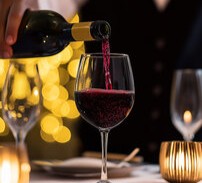
That moment when the wine list lands feels like an exam you didn’t study for. But ordering well isn’t about knowing everything. It’s about asking the right question.
The most dramatic thing in many restaurants is not the dessert menu. It’s the moment the wine list lands on the table. Suddenly, confident adults who manage budgets, teams, and entire households begin behaving like they’ve been handed an exam paper. People stop making eye contact. Someone clears their throat. Someone else says, “Let’s just get a bottle,” as if speed will save them.
FEAR FACTOR
But if you’ve ever sat down, opened a wine list, and felt your confidence leave your body, I have good news: wine lists don’t intimidate you. You intimidate yourself. The list is just paper. What you need is not more wine knowledge. You need a simple way to order without regret, without pretending, and without turning dinner into a performance.
Let’s start with the real problem. Most people don’t fear wine. They fear looking wrong. They fear spending money and choosing badly. They fear the waiter knowing they don’t know. And that fear leads to the two classic outcomes: either you order the “safe” wine you always order, or you choose by price and pray.
THE QUESTION
Here is the cheat code for dignity: ask one good question.
“What’s drinking well by the glass right now?”
That’s it. One sentence. It tells the restaurant you’re open to guidance, it gives the server permission to help you, and it usually lands you in a wine the venue is actually proud of. It also keeps you from committing to a full bottle when you’re still finding your mood.
Then, instead of asking for a grape variety like you’re ordering tyres, tell them what you want the wine to feel like. Light and fresh. Smooth and soft. Bold and structured. Crisp and dry. When you describe the experience instead of the label, you get better matches and you sound like someone who knows what they like, because you do.
PAIRING BASICS
Now pair it with your plate, not your anxiety.
If you’re eating grilled meat, rich sauces, or anything that tastes like it had a serious conversation with fire, you want a wine with structure, something that won’t disappear. If you’re eating chicken, seafood, salads, or lighter dishes, you want brightness and freshness. If the table is mixed, pick a middle ground style: a juicy, medium-bodied red or a textured white that can move between dishes without fighting anyone.
SERVE RIGHT
And please, let’s talk about temperature, because Botswana heat has a way of humiliating good wine.
If your red arrives warm enough to qualify as soup, don’t suffer in silence. Asking for a quick chill isn’t fussy. It’s basic respect for the bottle. A few minutes in an ice bucket can bring the wine back to life. In the same way, if your white arrives so cold it tastes like nothing, let it sit for a few minutes. You’re not being difficult. You’re letting the wine show up properly.
The next fear people have is sending a bottle back. Many of us would rather drink something faulty than risk an awkward moment. But a faulty bottle is not a personal insult to the waiter, the restaurant, or the winemaker’s ancestors. It’s just a thing that happens. If a wine smells like damp cardboard, wet newspaper, or something simply off, say so politely and early. A good restaurant would rather replace a problem than have you quietly hate the entire experience.
TRY SOMETHING
Here’s another confidence move: don’t buy the wine you already know unless you actually want comfort. You came out to discover. Wine lists are one of the few places where you can try a new producer or region without taking a full retail gamble. Ask for a small taste if you’re unsure. Many places will accommodate it, especially if you’re ordering a bottle.
BIGGER PICTURE
Now, the part people forget: this isn’t only about you.
This article is secretly about community. When consumers order better, restaurants respond with better lists. That’s how cities level up. If diners keep buying only the same two brands because they’re afraid, restaurants stock only the same two brands because they move. But when people start asking for interesting by the glass options, better service temperatures, and wines that match food, the market shifts. It becomes normal for venues to carry more variety. It becomes normal to drink thoughtfully. It becomes normal for wine culture to grow.
Which is exactly what we’re trying to build in Botswana, not a wine scene for experts, but a wine community for people who enjoy life.
So next time you open a wine list, don’t panic. Ask what’s drinking well. Describe what you want the wine to feel like. Match it to the plate, not the price. Chill the red if it arrives cooking. Send it back if it’s faulty. And remember: confidence is not knowing everything. Confidence is knowing what to ask.