
- Bank signals cautious strategy as profits dip amid rising costs and tighter liquidity conditions.
TLOTLO KEBINAKGABO
Absa Bank Botswana Limited says it will maintain disciplined execution of its strategy in response to both local and global economic challenges, with a focus on balancing selective growth and resilience.
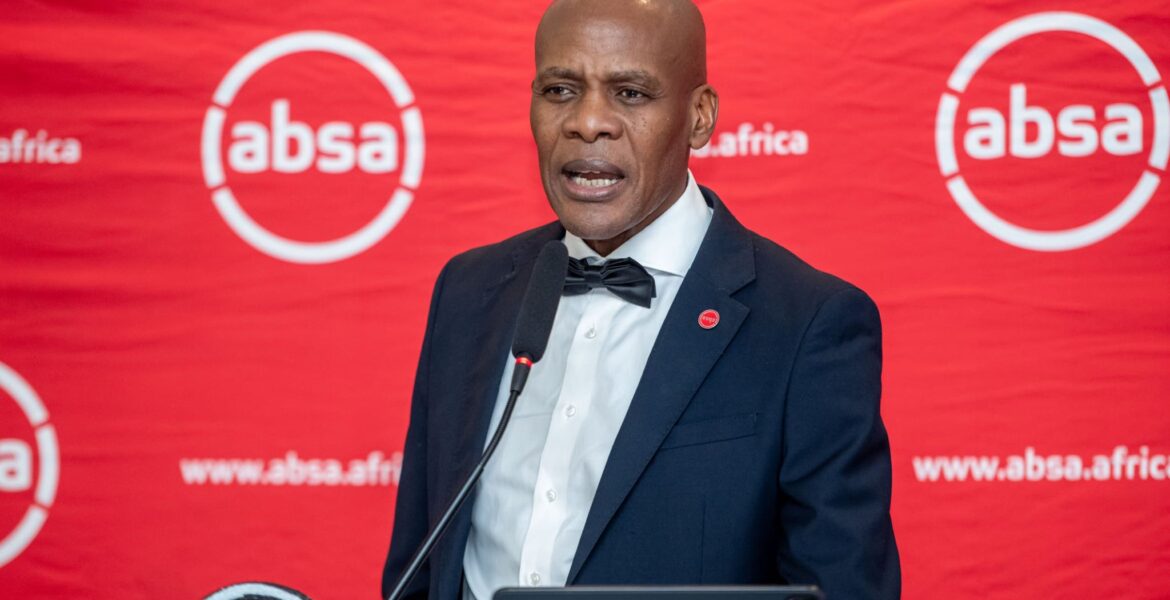
Chairman Cosmos Moapare and Managing Director Keabetswe Pheko-Moshagane said the bank’s priorities remain anchored on strengthening core performance areas while adapting to a shifting operating environment.
“Our priorities remain centred on diversifying revenue, improving returns, enhancing operational efficiency, and deepening customer relationships across our key segments,” they said in the bank’s financial results for the period ended 31 December.
They added that the bank aims to sustain customer trust through innovation and continued investment in digital platforms, while maintaining strong safeguards within the financial system.
Income Trends
The bank reported a modest increase in total income, which rose by 5 percent to P2.39 billion from P2.28 billion in 2024. The growth was driven primarily by stronger fee and commission income as well as a significant rise in trading revenue.
However, net interest income declined by 7 percent to P1.42 billion, down from P1.52 billion, as interest expenses increased sharply by 41 percent to P876.4 million. The rise reflects higher-yielding deposit products and tighter liquidity conditions.
Despite these pressures, the loan book continued to expand across key portfolios.
Non-interest revenue showed stronger momentum. Net fee and commission income increased by 10 percent to P589.5 million, supported by higher transaction volumes and improved service-related income, while fee expenses fell by 31 percent. Trading income rose by 67 percent to P374.9 million, reflecting improved market activity and derivative performance. Other income remained unchanged at P7.2 million.
Cost Pressures
Operating costs weighed on overall performance. Total operating expenses increased by 17 percent to P1.33 billion from P1.13 billion in 2024, driven by higher staff costs, technology investments, depreciation, software licensing, and administrative expenses.
As a result, the cost-to-income ratio rose to 56 percent from 52 percent, indicating mounting cost pressures across the business.
Pre-provision profit declined by 8 percent, largely due to these higher operating expenses.
Credit Risks
Credit impairment charges rose by 22 percent to P109.3 million, compared with P89.4 million in the previous year. While impairments remained elevated, recoveries of previously written-off loans helped contain the overall increase.
The bank described the credit environment as fragile but stabilising.
Profit Decline
Profit before tax fell to P951.6 million, down from P1.06 billion, reflecting the combined impact of margin pressure, higher impairments and rising costs.
At the same time, the bank said it continues to invest in fraud prevention, workforce development and sustainability initiatives, including financing aligned with Botswana’s renewable energy ambitions.
“We will continue to proactively align our initiatives with emerging global trends and Botswana’s national development priorities,” the executives said.