
Botswana’s Paris Declaration faces a major American regulatory hurdle as lab-grown diamond producers resist the country’s campaign to redefine diamonds
BONGANI MALUNGA
Botswana’s ambitious campaign to reserve the word ‘diamond’ exclusively for natural stones faces a formidable obstacle in the United States, where existing consumer protection guidelines favour terminology that President Duma Boko is fighting to overturn.
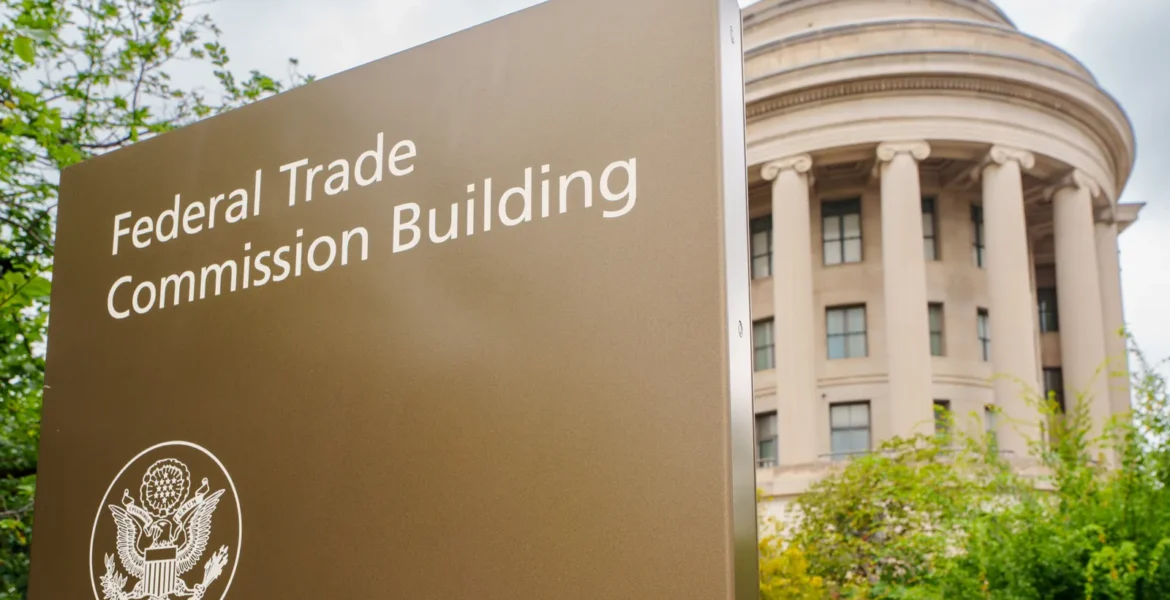
The US Federal Trade Commission (FTC), which regulates jewellery advertising and marketing practices in the world’s largest diamond consumer market, is scheduled to review its Jewelry Guides in 2028, setting the stage for a potentially decisive confrontation over the future of diamond terminology.
The regulatory challenge has gained prominence following the November 10 signing of the Paris Declaration on Natural Diamonds between Botswana and France, which seeks to distinguish naturally mined diamonds from laboratory-manufactured alternatives.
RESISTANCE TRIGGERED
However, the agreement has triggered resistance from lab-grown diamond producers, who are leaning on the FTC’s existing provisions to challenge Botswana’s position.
In a strongly worded response to Boko’s position, the Diamond Producers Council, which represents lab-grown diamond manufacturers, told international jewellery publication JCK Online that the President was contradicting American consumer protection principles.
“President Boko keeps doing exactly what the U.S. FTC has specifically warned about: suggesting lab diamonds are fake and not real,” the council stated.

DETERMINING THE TERMINOLOGY
The council further argued that Botswana cannot determine the terminology governing diamond sales in the United States, highlighting the regulatory limits of the Paris agreement. At the centre of the dispute is the FTC’s 2018 revision of its Jewelry Guides, which removed ‘synthetic’ from its list of recommended descriptions for laboratory-manufactured diamonds.
The commission argued that consumers could mistakenly interpret synthetic diamonds as imitation products, despite laboratory-grown diamonds having essentially the same chemical, physical and optical properties as natural stones.
Crucially, the FTC did not ban the term ‘synthetic’, but warned against using it to falsely suggest that laboratory-grown diamonds are not genuine diamonds. This creates a significant hurdle for Botswana’s campaign, particularly because the Paris Declaration does not override American regulations.
“MISLEADING” CONSUMERS
The Diamond Producers Council has maintained that consumers should not be misled about the authenticity of laboratory-grown stones. In a separate interview with JCK Online, a council representative emphasised: “The issue is what a customer understands at the jewelry counter.”
Nevertheless, natural diamond industry organisations are preparing their own campaign to influence the FTC’s next review. Stuart Samuels, president of the Diamond Manufacturers and Importers Association of America, told JCK that his organisation intends to push for synthetic to become the mandatory description for manufactured diamonds.
“Synthetic is an accurate scientific description, used for decades in the jewelry world,” Samuels argued. The stakes are particularly high for Botswana because the United States remains the largest end-market for diamond jewellery globally.
According to De Beers’ June 2026 diamond market research, natural diamonds accounted for approximately 85 percent of diamond sales by value among independent American jewellers in 2025. Botswana’s diamond industry remains a major source of export earnings and government revenue, influencing American consumer perceptions is therefore commercially significant.
The Paris Declaration, signed by Minerals and Energy Minister Bogolo Kenewendo and French Minister Delegate Nicolas Forissier, commits both countries to promoting natural diamonds and establishes a joint working group expected to issue annual progress reports beginning in 2027.
However, the FTC’s scheduled 2028 review represents an opportunity to reconsider the existing guidelines rather than a guarantee that American regulators will change them. As that review approaches, Botswana’s campaign and American consumer protection policy appear headed for a critical encounter. The challenge for Botswana will be extending its diplomatic success in Paris into the American marketplace, where the final say on diamond marketing terminology rests with US regulators.