
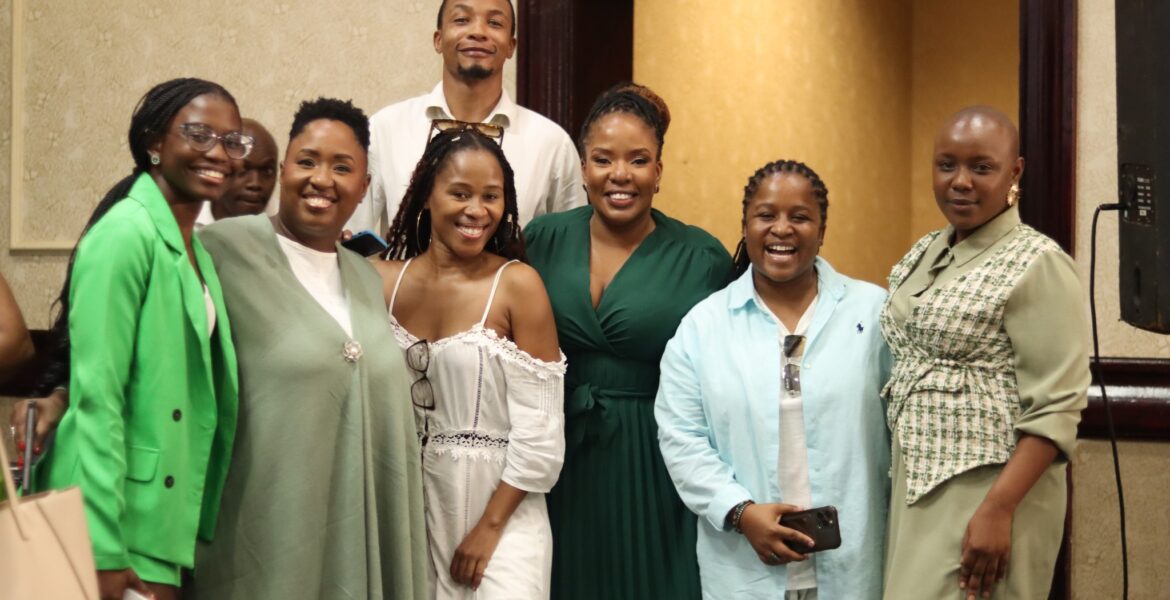
In a room filled with powerful voices and uncomfortable truths, the first-ever Basadi Brunch Dialogue hosted by Gabz FM sparked bold conversations about gender-based violence, economic justice and women’s leadership — proving that sometimes the most serious national debates can begin over brunch
GOSEGO MOTSUMI
Brunch is usually about mimosas and small talk.
But over the weekend at Avani Resort in Gaborone, the inaugural Basadi Brunch Dialogue turned the table into something far more powerful: a platform for the conversations Botswana often avoids.
Hosted by Gabz FM, the gathering brought policymakers, activists, leaders and partners into one room to wrestle with some of the country’s most complex questions — from gender-based violence to women’s political power.
“If you listen to the radio, you’ll find that we initiate stories that nobody wants to talk about, don’t want to just report, but we also want to find a way forward, ideas and solutions,” explained Gabz FM Head of News Rorisang Mogojwe.
The brunch dialogue, she said, was designed to do exactly that.
THE ECONOMICS OF SAFETY
The first panel tackled a question that hit the room like a reality check: Should Botswana’s new GBV Bill address economic gender justice?
The answer from the panel was clear — a resounding yes.
Because for many women, leaving abusive relationships is not just emotional. It’s economic.
Helen Pushie Manyeneng, Deputy Speaker of the National Assembly and Chairperson of the Parliamentary Caucus on Women, said empowerment is central to ending the cycle.
“Empowering women economically is not just a goal; it is a necessity for breaking cycles of violence.”
Leadership, according to Gosupamang Tapiwa Masie, CEO of the Special Economic Zones Authority, must translate into real access.
For women in power, she said, the responsibility is clear: open doors that were once closed. “Economic justice for us women in leadership is making it possible for women to have access to opportunities that they would otherwise not have, making sure there are structures, systems and policy change that will enable women to participate meaningful in every aspect of the economy,” she said.
BEYOND THE BALLOT
The second discussion pushed the conversation further, asking what meaningful participation in politics really looks like.
Voting, the panel agreed, is only the beginning.
Tshimologo Dingake, Women’s League President of the Botswana Congress Party, put it bluntly
“Political leadership is not just voting, it is making the space, making decisions and influencing policies. Let’s step forward as women.”
Meanwhile, Thoko Rangaswamy of the Women’s League Alliance for Progressives under the Umbrella for Democratic Change highlighted that what Botswana needs now are women ready to challenge the status quo.
Because democracy doesn’t end at the ballot box.
Sometimes, it begins at brunch when women decide it’s time to lead the conversation.