
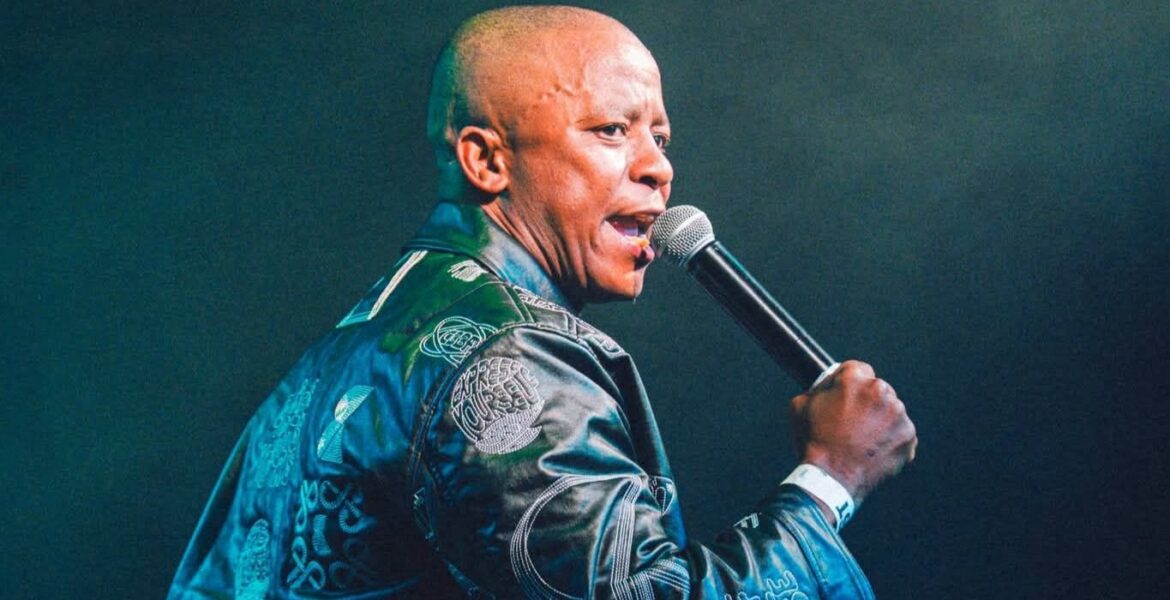
Gaborone is about to become a meeting point for Africa’s creative economy, with ACEL 2026 bringing artists’ biggest enablers — policy, investment, infrastructure and technology — into the same room.
GOSEGO MOTSUMI
Gaborone is about to get a serious dose of creative-economy energy.
On October 15–16, the Africa Creative Economy Lens (ACEL) 2026 lands in Botswana, bringing more than 200 policymakers, investors, entrepreneurs, creative leaders and industry intermediaries from over 20 countries together for two days of big questions about where Africa’s creative economy goes next.
The theme is “Building Sustainable Infrastructure for Africa’s Creative Economies” — a decidedly less glamorous phrase than music, fashion or film, but potentially more important.
Because Africa doesn’t appear to have a creativity problem. It has an ecosystem problem.
FROM TALENT TO INFRASTRUCTURE
ACEL, the flagship convening of the Africa Creatives Alliance, will put the machinery behind creativity under the microscope.
First comes policy: regulation, intellectual property, trade and investment frameworks — the rules that can either unlock creative businesses or leave them fighting through paperwork and uncertainty.
Then there are the physical spaces: studios, venues, hubs, makerspaces and cultural districts where ideas actually become products, businesses and experiences.
And then there is the digital frontier.
Platforms, data, fintech, digital rights management and emerging technologies are rapidly reshaping how African creatives make money, protect their work and reach global audiences.
NOT JUST ANOTHER TALK SHOP
ACEL is designed as a co-creation platform, with participants expected to develop practical insights, knowledge products and solution frameworks that can influence policy, programmes and investment priorities across the creative value chain.
That follows the 2025 edition in Kigali, which drew more than 200 leaders from over 20 countries and produced the Creative Economy Action Paper and Investment Safe Label Pilot.
Now the conversation moves to Gaborone.
THE ROOM IS GETTING BIGGER
With government representatives, development finance institutions, investors and creative entrepreneurs sharing the same space, ACEL 2026 is positioning creativity as something bigger than entertainment.
It is about infrastructure. It is about markets. It is about ownership. And ultimately, it is about whether Africa can build systems capable of turning its cultural imagination into sustainable economic value.