
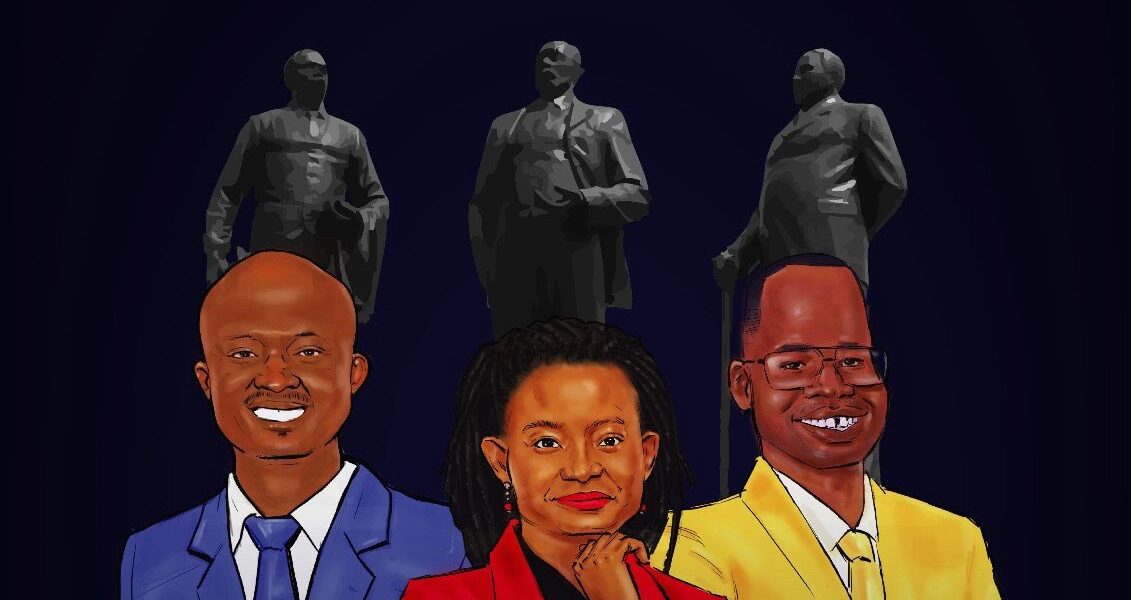
Documentary film, 58 Years Later: Voices of Today Botswana finally brings the country’s political plot twist home, powered by the young people who refused to wait their turn
GOSEGO MOTSUMI
For a film about disruption, 58 Years Later: Voices of Today Botswana had its own plot twist. The home premiere stalled for six months while the production team chased funding for a debut worthy of history.
“We had big ambitions for the homecoming premiere,” the new documentary film’s producer and award-winning documentary photographer and filmmaker Kefilwe Fifi Monosi told Time Out, “but we were not able to secure those resources.”
Meanwhile, the documentary clocked air miles — Nairobi, Silicon Valley, Colombia, Sweden — telling Botswana’s democratic glow-up to global audiences before showing it to the people who lived it.
Now it finally premieres on 27 February, 2026 at the BTV Auditorium in Gaborone, bringing the story back to its source.
POLITICS, BUT MAKE IT PERSONAL
Co-directed by Kenyan based filmmaker Ras Mutabaruka and Robert Asimba of TAP Films, the film trades podium speeches for kitchen-table strategy sessions. It follows three youth leaders under 40 as they campaign through the 2024 election that ended 58 years of single-party rule.
“This film goes beyond politics to show the human side of democratic change,” Monosi said.
“You see the late nights, the family conversations, the moments of doubt and triumph. These are young people who refused to accept the status quo, and their stories deserve to be told.”
THE GENERATION THAT WOULDN’T WAIT
Part of the continental Voices of Today series, the documentary positions Botswana inside a broader youth political awakening sweeping Sierra Leone, Ghana and beyond. But here the stakes feel intimate.
Campaign posters share space with WhatsApp voice notes. Strategy meetings look like group chats with better lighting. The protagonists are less politicians than cultural figures — proof that governance now has a youth aesthetic.
SCREENINGS AS CIVIC RITUAL
After the premiere, a week of public screenings (28 February – 5 March 2026) turns cinema into a community forum. Civic education meets popcorn. Governance meets post-film debate. It’s less “watch and go home” and more “watch and talk about the future.”
Further details on screening times, venues, ticketing, and community engagement activities will be announced.
HISTORY WITH A SOUNDTRACK
What 58 Years Later captures is not just a transfer of power but a transfer of voice. The documentary offers a compelling case study of how African youth are challenging established power structures while carrying forward their nations’ distinct political and cultural legacies.