
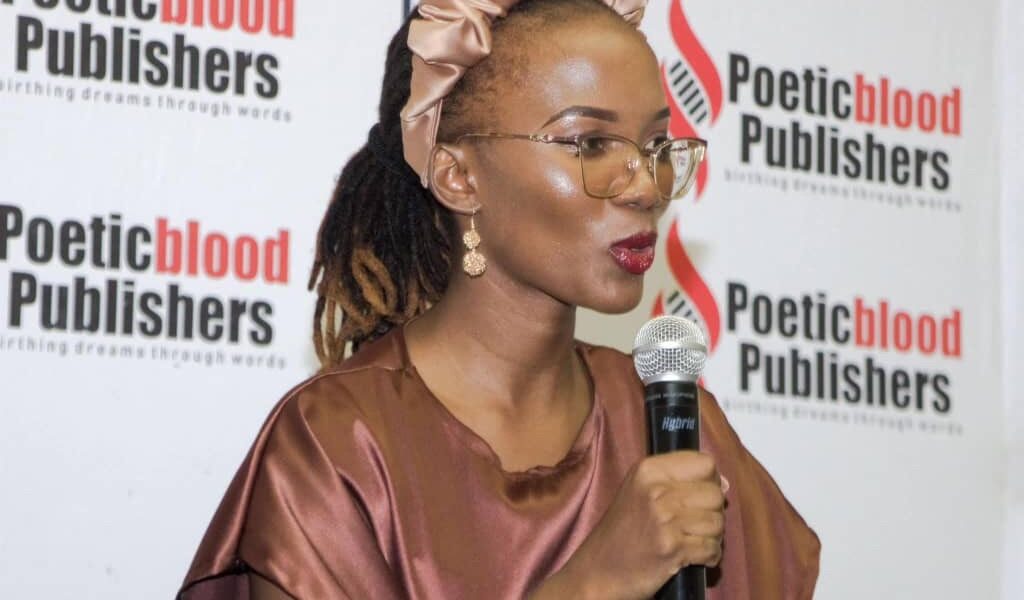
The new All Things Books workshop at the Stanbic Incubator is flipping the script on Botswana’s literary scene, turning authors and literary stakeholders into power players
GAZETTE REPORTER
Botswana’s literary dream has long been romantic: late-night poems, stapled manuscripts, applause without income. All Things Books is here to disrupt that myth. Landing on 28 March at the Stanbic Bank Incubator, the workshop reads like a masterclass in creative survival — where storytelling meets strategy and passion meets procurement.
Curated by Poeticblood Publishers under Dr Lame Pusetso, the event targets the quiet crisis in local publishing: writers creating value they don’t legally own, distribute, or monetise.
COPYRIGHT
“Many writers publish books without fully understanding how to protect their work,” the organisers say.
The workshop promises deep dives into ISBN registration, royalties, grants, and market access — the unglamorous mechanics that determine whether a book becomes a legacy or a loss.
KNOWLEDGE AS POWER, NOT POETRY
Dr Pusetso frames the mission with clarity: “It is our aim to instill authors with confidence to navigate the publishing and literary industry more professionally.”
Translation: no more starving artist mythology.
This is less about how to write a bestseller and more about how to own one.
THE LITERARY ECONOMY IS CALLING
The Stanbic Incubator setting is symbolic — literature stepping into entrepreneurial light. Here, poets sit beside publishers, students beside self-published veterans, all learning the language of contracts, compliance, and creative leverage.
PILOT WORKSHOP
All Things Books is being introduced as a pilot workshop. Based on the response, impact, and needs of the literary community, the intention is to develop it into a recurring platform with evolving themes that respond to the realities of the literary industry.
“As Publishers working closely with authors, we realized there was a strong need for a space
where writers could receive accurate, practical, and institution-led information directly from key stakeholders within the literary ecosystem” explained Dr Pusetso.