
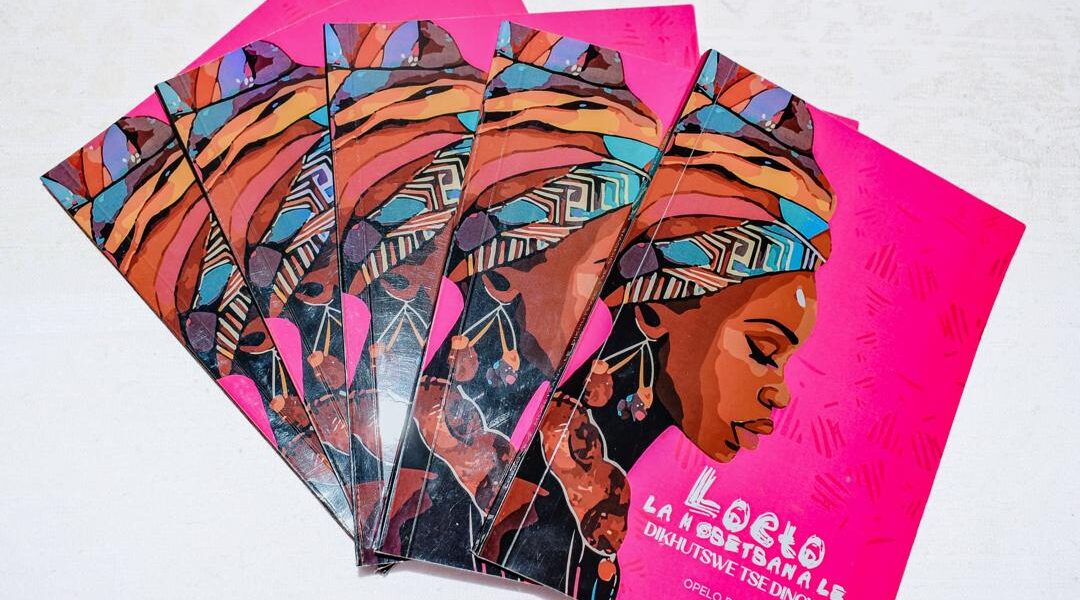
Sexual abuse, bullying, jealousy and teenage sexuality are not exactly dinner-table conversation. Local author Opelo Rammopa wants to change that, using Setswana storytelling to confront the issues adults often leave young girls to navigate alone.
GOSEGO MOTSUMI
Some lessons arrive too late. Others are never taught at all. In her forthcoming book, Loeto la Mosetsana Le Dikhutswe Tse Dingwe, emerging author Opelo Rammopa takes aim at the silences surrounding girls’ lives and the consequences that can follow them well into adulthood.
Written in Setswana, the book explores the social pressures confronting young girls, from bullying and discrimination to sexual abuse, jealousy and decisions that can shape their futures. But Rammopa is not simply interested in exposing problems. She wants her stories to get parents, educators and young people talking before preventable harm becomes a painful lesson.
“I believe the society is not doing enough to address this kind of challenges adequately in such a way that, we wait for things to happen first and then try to address it when the damage has already been done,” she said in an interview.
TALK BEFORE IT’S TOO LATE
For Rammopa, the problem begins at home and in communities where uncomfortable subjects are avoided rather than explained. Telling children what not to do, she argues, is not enough; they need to understand why, know their rights and feel safe asking questions.
“The more you tell a child not to engage into sexual activities the more they become curious.”
Her book looks at the roots of these challenges, using fictional characters to make difficult conversations less intimidating for families.
“I believe this book will make conversations between educators, parents and young people to be simple because they will understand that such things happens and should be discussed,” she says.
It is an ambitious role for a book: to become a conversation starter in homes where silence has long been the default setting.
THE PRICE OF TELLING OUR STORIES
Rammopa’s own journey has involved confronting fear, too. She says self-doubt initially kept her from sharing her work, while the high cost of printing and translating Setswana books presents another hurdle for emerging writers.
She believes affordable printing, greater support from bookshops and government purchases of Setswana books for schools could help more local authors reach readers.
The book’s launch date is yet to be announced, but its central challenge is already clear: young girls need more than warnings; they need honest conversations, guidance and room to speak.