Botswana’s creators have the views, the followers and the hustle. What they don’t have is a reliable way to turn local attention into cash and that is changing what gets posted.
GOSEGO MOTSUMI
For Botswana’s content creators, going viral can be a strangely expensive hobby. The likes roll in, the comments pile up, the views climb and somewhere between buying camera gear, fuel, props and costumes, the question becomes brutally simple: where’s the money?
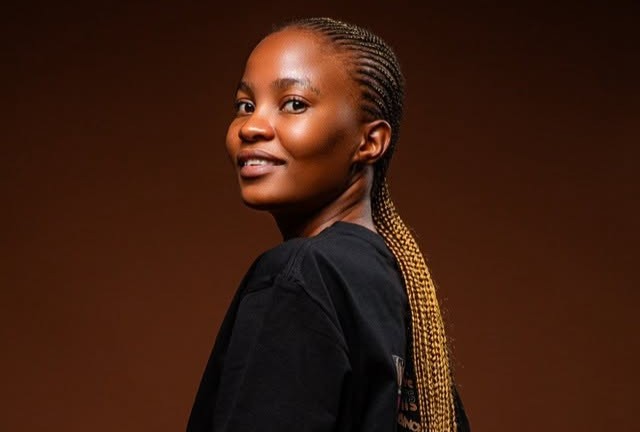
For local comedian and content creator Maatla Basha, the answer is painfully clear. After more than a decade creating online, his social-media earnings sit at just R1,375.39, money he says he cannot withdraw because the platforms require tax information and banking details from countries such as South Africa or the United States.
“I have never withdrawn once,” Basha says, pointing to the barriers facing creators operating from Botswana.
THE PRICE OF A VIEW
Botswana-based creators can build sizeable audiences, but local views do not always translate into platform revenue. On YouTube, for example, advertising-based monetisation has not been broadly available to creators targeting audiences in Botswana.
That creates an awkward economy: creators spend real money producing content for audiences whose attention generates little direct platform income.
“So you see why we no longer do videos and post,” Basha says. “I guess I have answered the question of ‘Maatla where are the videos these days?’”
And the disappearing videos are the point. When creativity costs money but the audience cannot pay the creator through the platform, consistency becomes difficult to sustain.
BRAND DEALS BECOME THE PAYDAY
Some creators have found another route: turn their feeds into advertising space without turning them into obvious adverts.
Comedians and creators including Van Gauteng, Thongbotho, Tinnere and Theo Mojumi have increasingly folded brand campaigns into their regular content.
“I’m not monetized at all, I’m really living off brand deals,” Mojumi told Time Out.
It is an increasingly important distinction. Botswana’s creators are not necessarily running out of ideas; they are running into an infrastructure problem.
THE WAIT FOR A PAYDAY
The government says it is negotiating with TikTok, Meta and Google to unlock monetisation, including efforts to “whitelist” Botswana and enable YouTube creator earnings.
If those talks deliver, the impact could go beyond influencers. It could help turn content creation from an expensive side hustle into a functioning creative industry, one where Botswana’s biggest resource, its audience, finally has a measurable value.