
Planes will race across Botswana’s ancient salt pans this June, but the real finish line isn’t speed. It’s survival. Race for Rhinos wants to turn conservation into currency, communities into custodians and the Makgadikgadi into the country’s next great frontier
GAZETTE REPORTER
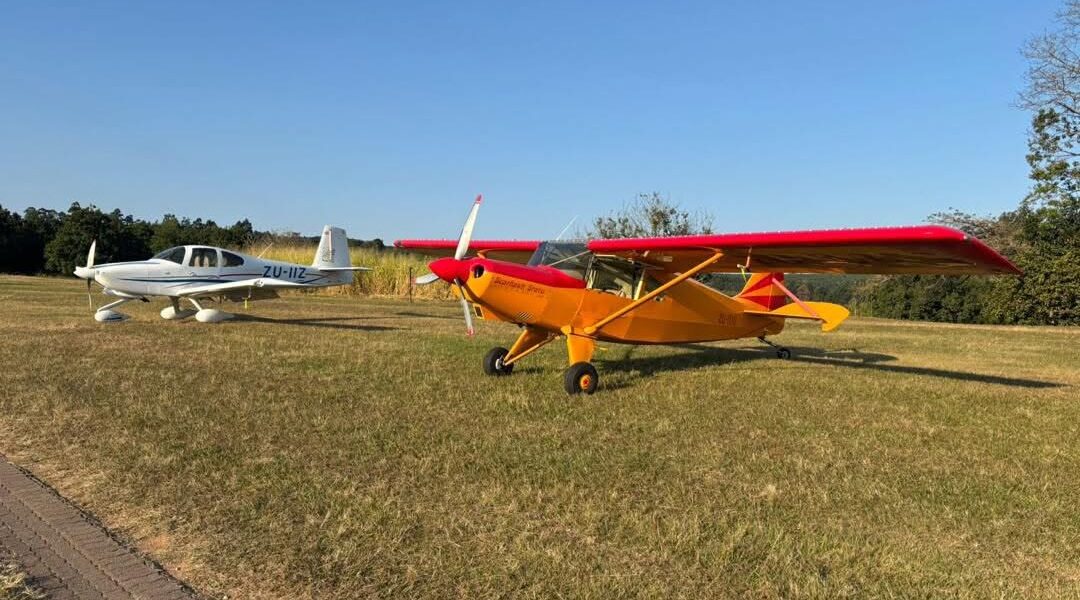
Botswana has never struggled to attract attention for its wilderness, but this June the country is asking a more interesting question: what if conservation stopped being something people watched and became something they built? From 26 to 29 June, pilots from Botswana, Southern Africa and as far as Tokyo will descend on Mosu Airfield for Race for Rhinos, a four-day aviation spectacle across the cinematic emptiness of the Makgadikgadi Pans.
On paper, Race for Rhinos is speed, precision and aerial theatre. In reality, it is a launchpad for a bigger conservation and tourism ambition, using spectacle to draw attention to a project whose real finish line is survival.
THE RHINO IS THE REAL HEADLINER
Behind the race sits an ambitious mission: to support the relocation of 13 rhinos and establish a thriving rhino habitat in the Makgadikgadi. That goal explains why Race for Rhinos is generating lift, because organisers are selling something bigger than wildlife conservation; they are selling possibility.
The rhinos represent tourism growth, enterprise, jobs and a future where local communities are not spectators to conservation but stakeholders in it. If successful, the Makgadikgadi could evolve from one of Botswana’s most extraordinary landscapes into its next great tourism frontier.
CONSERVATION WITH A BUSINESS PLAN
Race for Rhinos Patron, Dr. Seretse Khama Ian Khama, said the initiative reflects Botswana’s enduring commitment to conservation as a tool for national development. Every rhino protected, he said, is a promise to future generations, and the relocation of the 13 rhinos presents Botswana with a rare opportunity not only to safeguard a species under threat, but to create meaningful opportunities for people.
Khama added that conservation succeeds when communities are part of the journey and share in the benefits. His vision is to see the Makgadikgadi become a place where wildlife thrives, communities prosper and future generations inherit something greater than what was found.
A WEEKEND THAT WANTS TO OUTLIVE ITSELF
Yes, there will be scenic flights, tandem paragliding, motorsport and cultural showcases, but the weekend is designed to outlive itself. The event will feature a two-day precision air race, with competitors navigating a challenging route through Nata, Gweta, Orapa and Kubu Island before returning to Mosu.
Under the banner The Earth Is What We All Have In Common, Botswana is not simply hosting an event. It is test-flying a future in which conservation, tourism and community opportunity can move in the same direction.