
Botswana has rejoined a SADC pooled procurement, seeking cheaper medicines, stable supplies after shortages exposed procurement flaws
BONGANI MALUNGA
Botswana has formally returned to regional pooled procurement for essential medicines, marking a significant policy reversal after months of crippling drug shortages and government allegations of corruption and inflated pricing within the country’s previous procurement system.
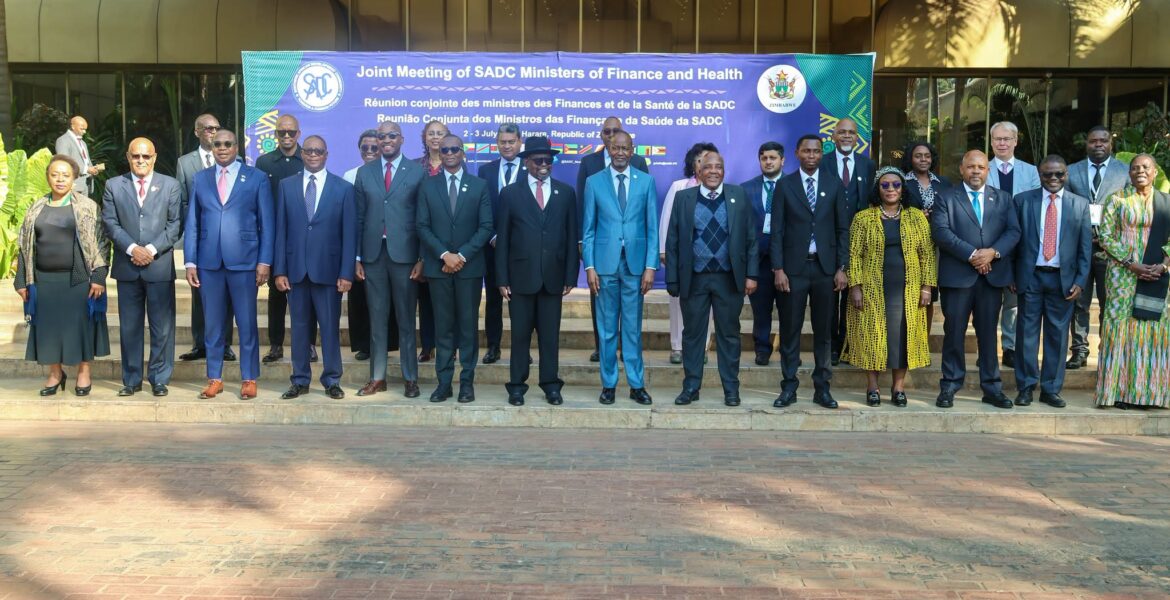
The Minister of Health, Dr Stephen Modise announced that Botswana would once again work with fellow Southern African Development Community (SADC) member states to purchase medicines collectively, a move expected to reduce costs, guarantee supply security and strengthen regional pharmaceutical manufacturing.
The decision effectively restores a model that Botswana had moved away from in recent years in favour of domestic procurement arrangements that relied heavily on intermediaries and individual tender processes. The current administration has repeatedly argued that the fragmented approach opened the door to overpricing and inefficiencies, contributing to shortages that triggered a public health emergency last year.
SADC POOL
Under the SADC Pooled Procurement Services (SPPS) framework, countries aggregate demand and negotiate as a single bloc, enabling member states to secure lower prices and more reliable access to essential medicines. Regional authorities estimate that bulk purchasing can cut medicine costs by as much as 40 percent while also reducing the risk of stockouts.
“Collaboration makes healthcare affordable for everyone. By buying medicines and other consumables together, we will be lowering costs, securing supplies, and improving healthcare for everyone,” Dr Modise announced.
The minister’s remarks reinforce earlier government commitments to remove intermediaries from medicine procurement and prioritise direct engagement with manufacturers. In February, Dr Modise stated that pooled procurement would help eliminate middlemen and create a more transparent and sustainable supply chain.
ASSESSMENT AND TRAINING
Botswana was among eight SADC countries that participated in assessments and training for the operationalisation of the upgraded SADC Medicines Database, an electronic platform designed to support evidence-based procurement, supplier transparency and coordinated regional purchasing.
The regional mechanism, first conceptualised more than a decade ago and now moving into full implementation, seeks to leverage collective bargaining power to improve affordability and strengthen medicine security across Southern Africa. Officials say the model also creates predictable demand that can stimulate pharmaceutical manufacturing within the continent.
Botswana’s return to the arrangement comes after the government admitted that the country faced severe medicine shortages, forcing emergency imports from alternative markets, including the United Arab Emirates, while broader reforms of the health supply chain were undertaken.