
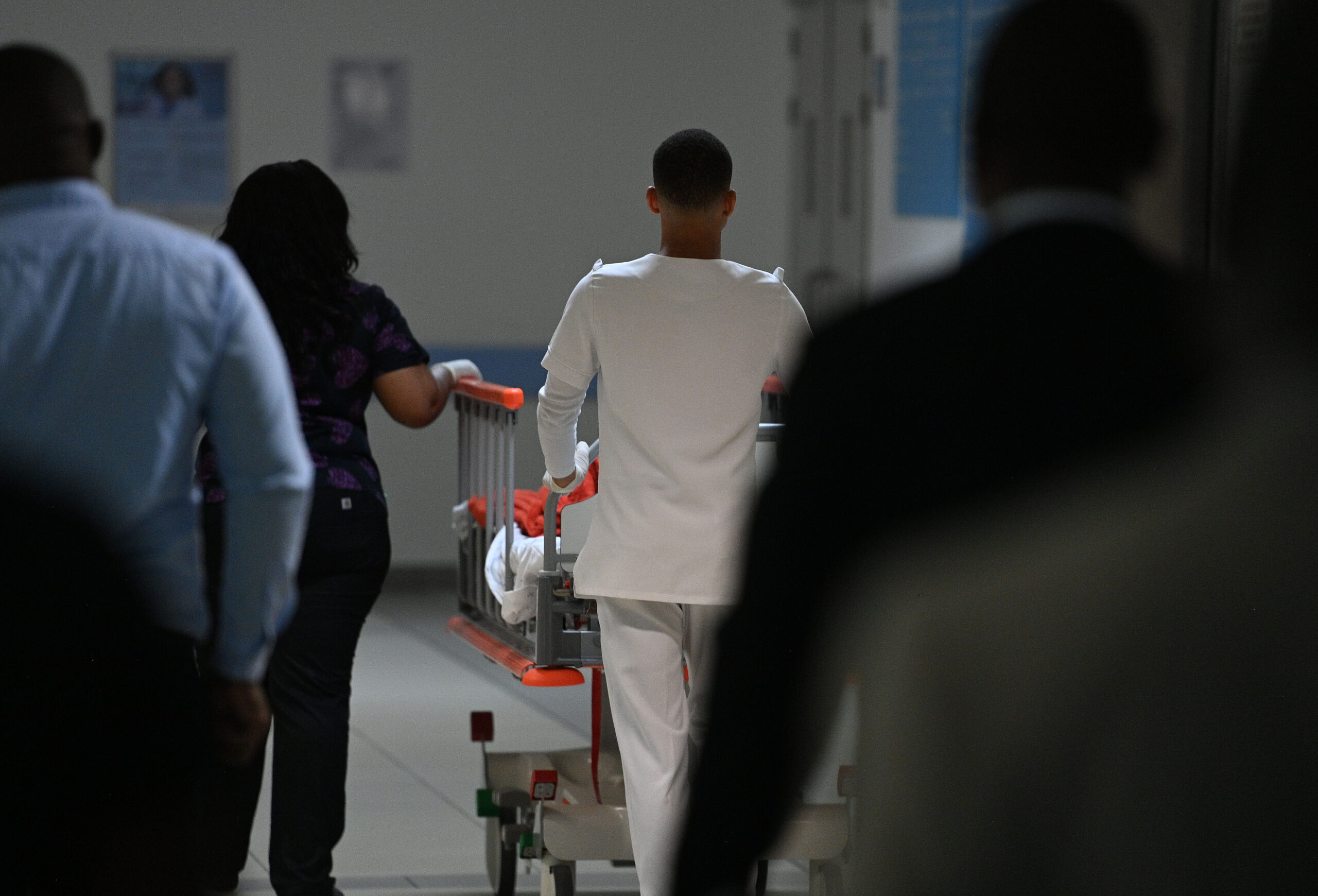
A Prisoners Defenders investigation alleges Botswana pays about US$4,095 a month for each Cuban doctor while the specialist receives only US$1,000.
GAZETTE REPORTER
The Government is facing explosive allegations that it knowingly finances and sustains a system in which Cuban doctors working in Botswana receive only a fraction of the money paid by the state for their services.
An investigation by human rights organisation Prisoners Defenders alleges that Botswana pays about US$4,094.65 (approximately P55,000) per month for each Cuban specialist, while the doctor receives only US$1,000.
This means the medical professional reportedly receives just 24.42 percent of the contractual amount, with about 75.58 percent, or US$3,094.65, remaining within the Cuban state system.
Prisoners Defenders argues that Botswana cannot claim ignorance of the arrangement because the bilateral agreement reportedly distinguishes between the amount allocated to the individual professional and the money transferred to Cuba.
US$4.2M ANNUAL BILL
The organisation estimates that Botswana’s current contingent of about 90 Cuban professionals represents an annual bill of more than US$4.2 million.
The allegations have raised questions not only about the financial structure of the arrangement but also about the working conditions under which the Cuban doctors operate in Botswana.
Prisoners Defenders argues that the restrictions allegedly imposed on the doctors could raise concerns under Botswana’s constitutional and international obligations relating to forced labour.
Section 6 of the Constitution prohibits slavery, servitude and forced labour, while Botswana ratified International Labour Organisation Conventions 29 and 105 in 1997.
MOVEMENTS RESTRICTED
According to the investigation, a regulation issued on 3 July 2026 by the head of the Cuban Medical Brigade in Botswana, Dr Pablo Ricardo Betancourt Álvarez, places extensive restrictions on the doctors’ personal lives.
The regulation reportedly governs their movements, visitors and overnight stays, limits participation in social activities and prohibits them from acquiring or driving motor vehicles without authorisation.
It also reportedly requires permission for late-night outings and provides for disciplinary measures against those who breach the rules.
Prisoners Defenders contends that such restrictions go beyond normal workplace rules and form part of a broader system of control over Cuban medical professionals serving abroad.
PASSPORTS, SURVEILLANCE ALLEGED
The organisation says interviews with Cuban professionals in Botswana revealed allegations of passport retention, restrictions on movement, surveillance and political meetings.
It further alleges that doctors who abandon their missions face the threat of being prevented from returning to Cuba for up to eight years.
According to the investigation, all the Cuban professionals interviewed said they had not voluntarily participated in the mission, while several allegedly said they had never received copies of their employment contracts.
The organisation maintains that these conditions raise serious questions about whether the doctors are genuinely participating in overseas employment arrangements freely and with full knowledge of their contractual rights.
PAY GAP PERSISTS
The investigation also highlights the disparity between what Botswana reportedly pays and what Cuban doctors receive.
Prisoners Defenders says Cuban specialists were receiving approximately US$800 per month in 2020, with the figure increasing to US$1,000 by August 2026.
However, during the same period, the amount Botswana reportedly pays for each specialist rose to more than US$4,000 per month.
The organisation argues that the increase in the doctors’ stipend has not fundamentally altered the arrangement, because the overwhelming majority of the contractual payment continues to remain outside the professional’s hands.