
Freedom House’s Freedom in the World 2026 report praises Botswana’s strong electoral democracy but warns of persistent weaknesses in media freedom, transparency, and the protection of minority rights
GAZETTE REPORTER
Botswana’s democratic credentials have come under renewed international scrutiny after a leading global freedom watchdog highlighted persistent shortcomings in political rights, civil liberties and government accountability despite the country’s recent historic political transition.
In its latest Freedom in the World 2026 report, Freedom House acknowledged Botswana’s standing as one of Africa’s most stable democracies but cautioned that deep-rooted institutional weaknesses continue to undermine the full enjoyment of democratic freedoms.
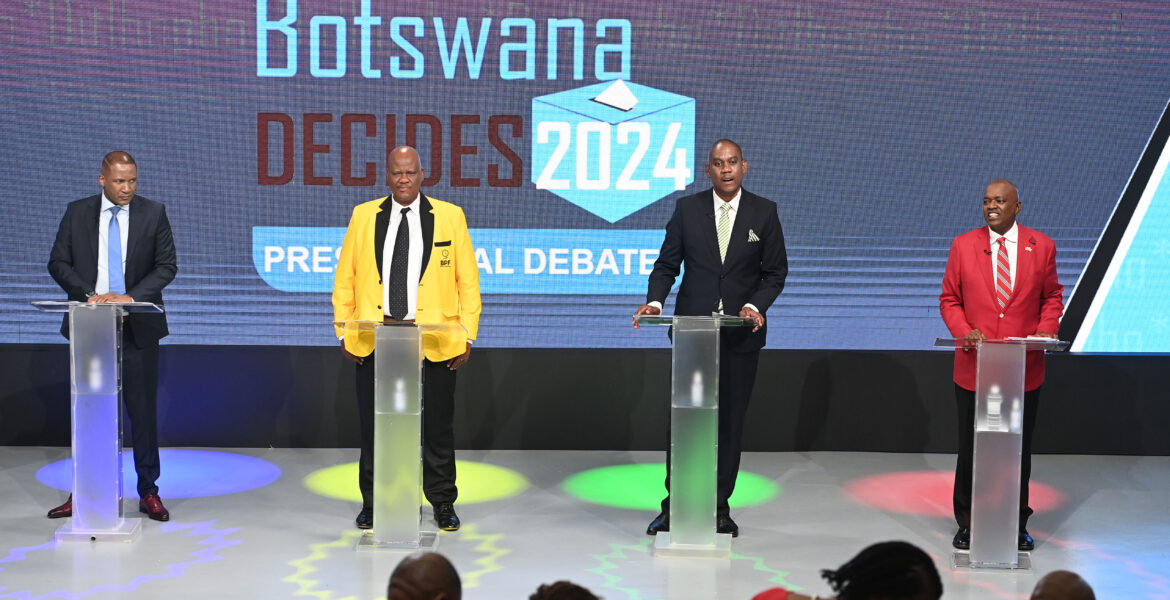
The report comes less than two years after the landmark 2024 General Election, which ended decades of uninterrupted rule by a single political party and ushered in a new era of coalition governance.
“While it is considered one of the most stable democracies in Africa, Botswana was dominated by a single party between independence and the 2024 election, and many institutions answer to the office of the president,” the report states.
Freedom House found that Botswana performs strongly in electoral processes, awarding the country full marks for the election of the head of government and members of Parliament. The report also gave Botswana maximum scores for freedom of assembly and the ability of opposition parties to organize and compete for power.
However, the watchdog argued that electoral success alone does not guarantee a fully functioning democracy.
MEDIA FREEDOM AND TRANSPARENCY UNDER SPOTLIGHT
One of the report’s most significant concerns relates to media freedom. Botswana received only two out of four points for media independence, with Freedom House warning that journalists continue to operate under pressure from hostile litigation and restrictive laws.
“Media freedom is threatened by hostile lawsuits against journalists and restrictive legislative provisions,” the report notes.
Government transparency also emerged as a major area of concern. Botswana scored two out of four points on openness and accountability, suggesting that citizens still face obstacles in accessing information and effectively scrutinizing public officials.
The report further noted that corruption safeguards and the overall functioning of government failed to attain full marks.
MARGINALIZED GROUPS CHALLENGED
According to the report, Indigenous San communities, migrants, refugees, LGBT+ persons and people living with disabilities continue to face barriers to equal treatment and full participation in society.
Botswana received only two out of four points for ensuring that different population groups enjoy full political rights and electoral opportunities. Similar scores were recorded for equality before the law and protection against discrimination.
Labour rights also attracted criticism, with the country scoring two out of four points for the freedom of trade unions and professional organizations, indicating ongoing challenges for workers seeking to exercise collective rights.
Although Botswana’s judiciary was credited with maintaining a measure of independence, the report concluded that shortcomings remain in due process protections, equal treatment before the law and access to justice.