
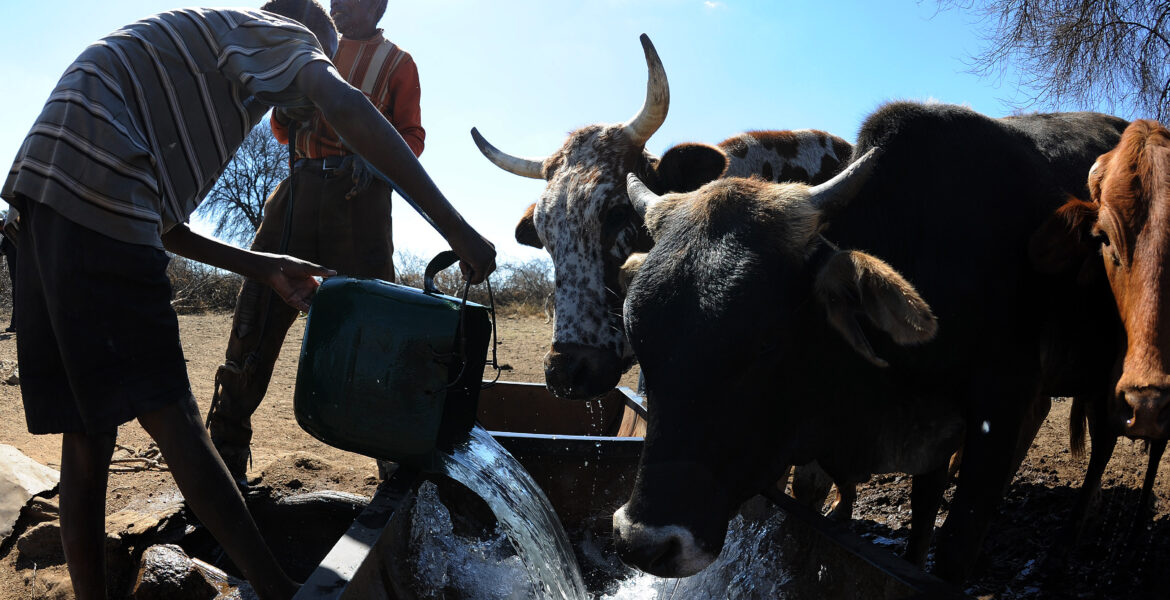
Botswana lost more than 105,000 cattle from its national herd between 2015 and 2025, while rising deaths and fewer births put pressure on an agricultural sector central to economic reform.
GAZETTE REPORTER
Botswana’s cattle herd shrank by 6.1 percent between 2015 and 2025, adding pressure to a beef-producing base already facing rising livestock deaths and fewer births.
The 2025 Agricultural Census, released by Statistics Botswana in collaboration with the Ministry of Lands and Agriculture, records a decline from 1,744,166 cattle in 2015 to 1,638,543 in 2025. That is a loss of more than 105,000 animals.
The contraction comes alongside declining diamond revenues, which have exposed the vulnerability of Botswana’s dependence on the sector. The cattle figures suggest that another traditional economic mainstay is also losing ground.
Fewer Births
The census reports that cattle births fell by 14.3 percent compared with 2015, while deaths increased by 30.7 percent.
Despite the fall in the number of births, the cattle birth rate rose from 56.7 percent in 2015 to 68.5 percent in 2025. The death rate increased from 6.3 percent to 8.7 percent.
The census records a natural growth rate of 59.8 percent in 2025, compared with 50.4 percent in 2015. It also cites an annual natural growth rate of 0.9 percent and warns that population growth remains slow.
“A natural growth rate, which is less than 1 percent annually, means a population is failing to reach replacement level, making it difficult to sustain growth without external support,” the census analysis states.
Reform Baseline
The findings pose a challenge for a government that has identified agriculture as a priority under the Botswana Economic Transformation Programme (BETP).
The census is intended to provide a baseline for measuring progress under the programme, making the shrinking national herd an important test of the government’s agricultural ambitions.
Smallstock Grow
Goats and sheep moved in the opposite direction, with both populations increasing over the decade.
Goat numbers rose by 5.5 percent, from 1,205,238 in 2015 to 1,271,407 in 2025. Sheep increased by 33.3 percent, from 242,432 to 323,279.
Goat births increased by 5.2 percent, while sheep births rose by 35.7 percent. The census records natural growth rates of 61.3 percent for goats and 60.9 percent for sheep, compared with 59.8 percent for cattle.
But mortality also increased among smallstock. Goat deaths rose by 27.7 percent, while sheep deaths surged by 65.8 percent.