
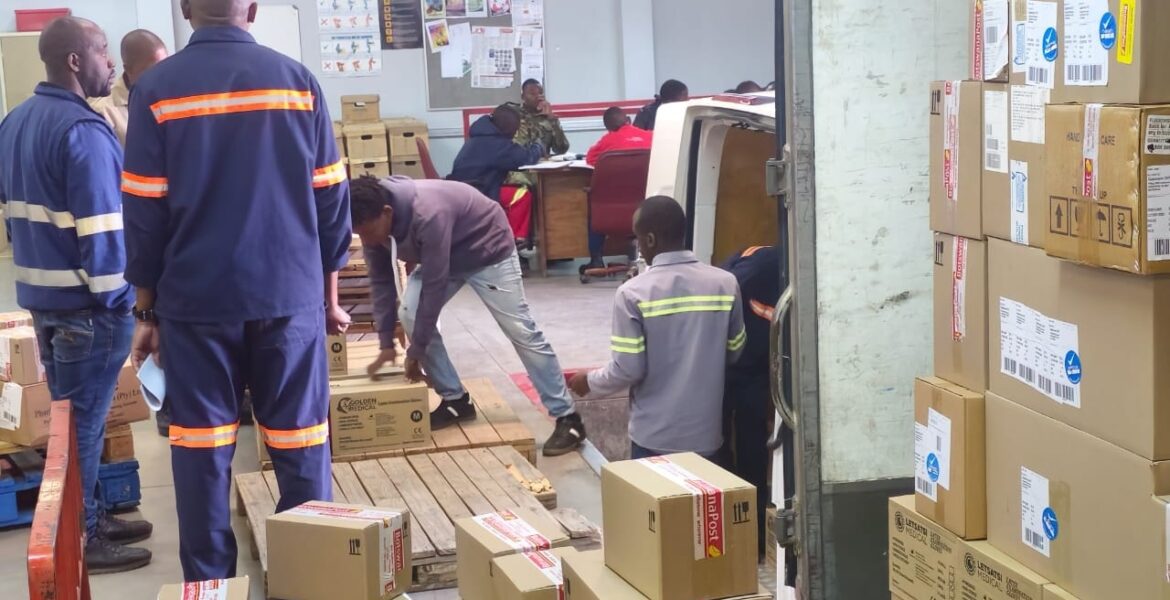
Government rejects claims of fake ARVs in supply chain, insisting strict regulatory systems ensure medicine safety, quality and continuous surveillance
BONGANI MALUNGA
The Ministry of Health (MoH) has dismissed allegations that fake antiretroviral (ARV) drugs, substandard hypertension medication and hazardous children’s cough syrups were deliberately administered to patients between July 2023 and July 2024.
Responding in Parliament on Tuesday, Health Ministerial responses rejected the claims as “not supported by available evidence,” stressing that there is no proof of intentional distribution of unsafe medicines within the public health system.
UNSAFE PRODUCTS
The question, raised by Dr Kesetegile Gobotswang, MP for Tswapong South, sought clarity on whether patients had been exposed to falsified and unsafe pharmaceutical products during the stated period and whether a full investigation would be launched.
In response, the Ministry of Health assured Parliament that strict safeguards are already in place to prevent compromised medicines from reaching patients.
LAYERS OF CONTROL
MoH highlighted the role of the Botswana Medicines Regulatory Authority (BoMRA), working alongside the Quality Assurance Unit at the Central Medical Stores (CMS) and other law enforcement agencies, to maintain the safety, efficacy and quality of medicines in circulation.
The Ministry explained that multiple layers of control are used to screen pharmaceutical products entering the national supply chain, with continuous monitoring both before and after medicines reach the country.
“The assertion that fake ARVs, substandard hypertension drugs, or hazardous cough syrups deliberately given to patients is not supported by available evidence. I want to assure this august house that BoMRA, along with the Quality Assurance Unit in CMS, and other law enforcement agencies have processes in place, to ensure safety, efficacy and quality of medicines that are entering our supply chain,” the ministry explained.
PUBLIC SENSITIVITY
“These processes ensure that non-compliant products are identified before and after entry into the country through routine market surveillance,” the response noted.
The assurance comes amid growing public sensitivity around medicine quality and supply chain integrity, with the ministry maintaining that existing regulatory systems are actively designed to detect and eliminate any substandard or falsified products before they can reach patients.