
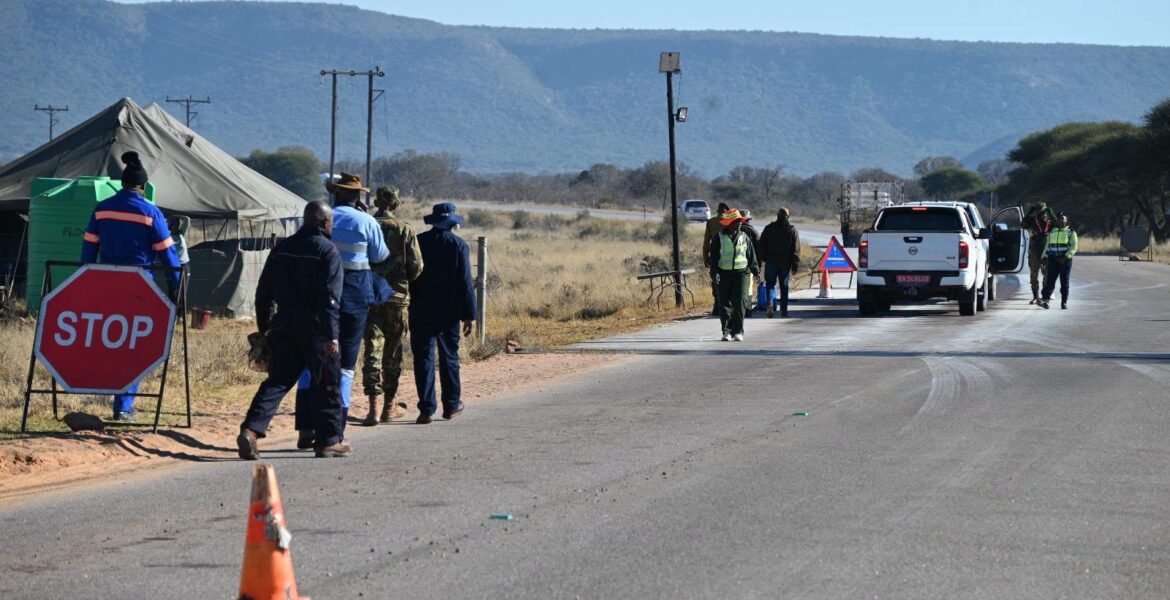
Botswana is negotiating new animal-health agreements that could reopen export outlets and ease pressure on livestock farmers hit by FMD restrictions.
BONGANI MALUNGA
Botswana is negotiating animal-health requirements with several countries in a push to widen market access for livestock and animal products, offering a potential lifeline to farmers whose selling options have been squeezed by recurring Foot and Mouth Disease (FMD) outbreaks and movement restrictions.
The Department of Veterinary Services revealed in its latest FMD update last Friday that negotiations on sanitary requirements with different countries are underway, with some already at an advanced stage.
“To improve market access, the department is currently negotiating sanitary (animal health) requirements with different countries some of which are at an advanced stage of conclusion,” the department stated.
MORE BUYERS
If concluded, the agreements could give Botswana farmers access to additional buyers and export destinations at a time when disease-control measures have disrupted cattle movement and restricted the ability of some producers to bring livestock to market.
Greater market access could also strengthen competition for Botswana cattle, potentially improving farmers’ bargaining power while reducing dependence on a limited pool of buyers. For producers carrying cattle for longer because of movement restrictions, reopening trade channels could additionally ease mounting feeding and maintenance costs while restoring cash flow.
FMD FIGHT
The market-access drive comes as the Ministry of Lands and Agriculture reports progress in suppressing outbreaks in several affected areas. Three rounds of emergency vaccination have been completed in the containment zone, although cases remain unresolved in Phitshane-Molopo, Mabule and Sekhutlhane extension areas.
SURVEILLANCE
Surveillance is continuing as Botswana prepares an application to the World Organisation for Animal Health (WOAH) to regain FMD-free status with vaccination after 12 months.
Following the Kgatleng outbreak, the government has also shifted its strategy along the South African border towards a “vaccination-to-live” approach, while working on a rezoning framework intended to allow unaffected areas to regain FMD-free status without vaccination more quickly.
Movement rules have consequently been revised and direct slaughter of cattle from communal areas within the containment zone, excluding areas with ongoing outbreaks, may now take place after a 30-day quarantine at approved slaughter facilities.