
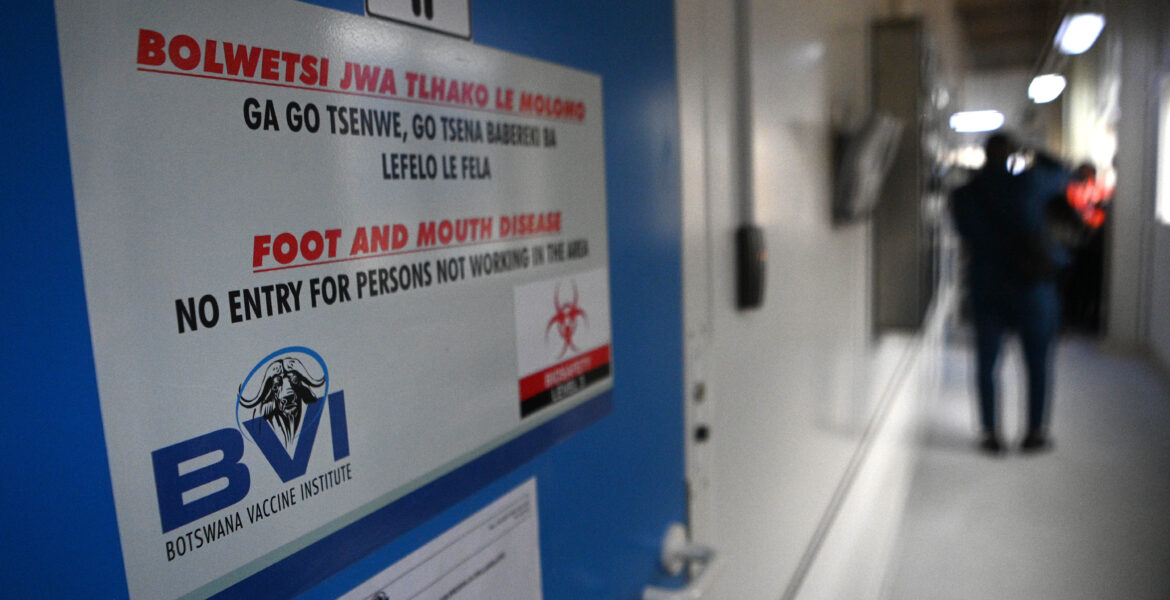
As infected zones expand and controls tighten, Botswana’s FMD outbreak is fast becoming a full-blown crisis for farmers and the beef industry
GZETTE REPORTER
Botswana’s foot-and-mouth disease (FMD) crisis is escalating, with government expanding infected zones and tightening restrictions in a move that signals a deepening national livestock emergency.
In an Extraordinary Government Gazette dated April 4, 2026, authorities declared a vast stretch of land in southern Botswana an official infected area under a new statutory order. This marks the third such declaration this year, underscoring the persistence and spread of the outbreak.
Issued under the Diseases of Animals Act, the order places a wide corridor of territory—from the Botswana–South Africa border near Phala Camp to Banyana Farms and across multiple district boundaries—under strict disease control measures.
BEEF INDUSTRY UNDER THREAT
The escalation comes amid growing fears within the agriculture sector that the outbreak could cripple Botswana’s beef industry, a key export earner already under pressure from recurring disease outbreaks.
The latest declaration, titled Declaration of Foot and Mouth Disease (Infected Area) (No. 3) Order, 2026, suggests authorities are still struggling to contain the disease.
SWEEPING RESTRICTIONS IMPOSED
Government has imposed sweeping controls in both the newly declared infected areas and an expanded list of FMD control zones, including Zones 3b, 3c (Dukwi), 4a, 4b, 5, 6a, 7, 8, 9, 10, 12 and 13.
Under the new measures: Movement of all cloven-hoofed animals, including cattle, goats and sheep, is strictly prohibited within, into or out of affected zones, fresh animal products face similar movement restrictions, authorities are empowered to seize or destroy livestock deemed a disease risk,mandatory vaccination campaigns are being rolled out and surveillance and biosecurity enforcement have been intensified.
FARMERS FACE MOUNTING PRESSURE
The widening of infected zones is expected to heighten anxiety among farmers, many of whom are already reeling from earlier restrictions that disrupted cattle sales, exports and local trade.
With tighter movement bans, farmers now face limited access to markets, rising costs of feed and compliance, and the risk of herd culling amid uncertainty over compensation.
AUTHORITIES GRANTED BROAD POWERS
Signed by Acting Director of Veterinary Services Kobedi Segale, the order took immediate effect, with no timeline provided for lifting the restrictions.
The Government Gazette warns that violations will attract penalties under the law, adding that “the Director may institute any other animal health control measures as may be necessary,” granting sweeping powers to contain the outbreak.