
Government and pharmaceutical suppliers have moved to ease tensions after months of strained relations over medicine pricing and procurement practices, but pricing fights, supply gaps and system risks still linger
BONGANI MALUNGA
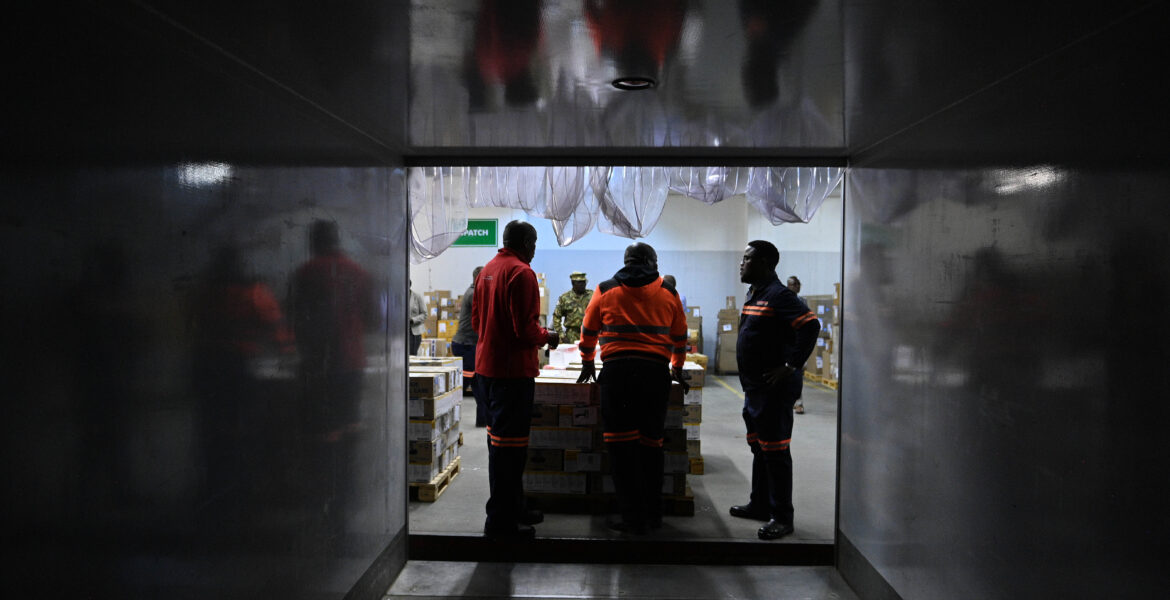
The Government has moved to engage all registered Central Medical Store suppliers in a bid to stabilise medicine availability in public health facilities, following months of strained relations with pharmaceutical companies and intermediaries over pricing, procurement practices and persistent shortages.
The engagement comes against a backdrop of public concern over empty pharmacy shelves, rising out-of-pocket medical expenditure, and ongoing allegations of inflated mediine prices involving middlemen supplying the state.
Govt Seeks Immediate 30-Day Supply Commitments
During a recent meeting with manufacturers, distributors and wholesalers, government officials indicated that they are seeking to urgently replenish critical medicine stocks.
Authorities presented suppliers with a list of essential medicines and requested them to confirm what stock they can supply immediately, and what quantities they can deliver within 30 days.
Government officials said the responses will be assessed, after which selected suppliers will be contacted for possible inclusion under a Government Procurement Organisation (GPO) arrangement.
The GPO framework is expected to streamline procurement and improve bulk purchasing efficiency, while reducing reliance on fragmented supply chains.
Shift To Digital Procurement System
In a further reform, government also announced that all Requests for Quotations (RFQs) and tender opportunities will, going forward, be issued through an official government procurement website
Suppliers will also receive text message notifications directing them to the platform where they can access procurement opportunities.
Officials said the move is intended to improve transparency, widen participation and reduce delays associated with manual procurement systems.
Ministry Confirms Discussions
Confirming the engagement, Ministry of Health spokesperson Christopher Nyanga told The Botswana Gazette that suppliers were invited to declare what medicines they could immediately deliver.
“With regard to the meeting between the Central Medical Stores and medicine suppliers, I can confirm that the meeting took place this afternoon as previously announced. During the meeting, suppliers were presented with a list of required medicines and invited to indicate their capacity and willingness to supply the listed items. The engagement forms part of ongoing efforts to strengthen the availability of essential medicines within the health system,” Nyanga told this publication.
Industry Raises Red Flags Over Stockholding And Fairness
However, the pharmaceutical industry has raised concerns over the feasibility and fairness of the new approach.
In an interview with this publication, some stakeholders argue “that most suppliers do not hold large volumes of medicines on standby, as pharmaceutical supply chains typically operate on demand-driven procurement and importation cycles”.
Some industry players also warned that “the system could be vulnerable to manipulation, alleging that officials may have selectively informed preferred suppliers to pre-stock certain medicines ahead of formal RFQs”.
“There is a risk of distortion if suppliers are expected to hold inventory without formal orders,” one industry source said, adding that this could undermine fair competition.
Pricing Dispute And Direct Procurement Debate
Pharmaceutical companies have also called for the normalisation of tender pricing structures, arguing that current procurement uncertainty has destabilised the market and discouraged consistent supply.
The government, however, has previously accused intermediaries and suppliers of inflating prices through opaque import arrangements, prompting a shift towards direct procurement in some instances.
This tension has deepened mistrust between the state and suppliers, with each side accusing the other of driving up costs in an already strained health system.
Opposition Warns of New Corruption Risks
Opposition parties have cautioned the ruling UDC that while they attribute direct procurement as intended to cut costs and eliminate middlemen, it may introduce new vulnerabilities.
They argue that bypassing competitive tender processes could open the door to “preferred bidders” and politically connected suppliers benefiting from state contracts.
“The risk is not eliminated, it is simply relocated,” opposition leader, Dumelang Saleshando has warned, further advising that procurement discretion without strict safeguards could undermine transparency.
Call For Structured Procurement And Local Industry Support
Some industry stakeholders have urged government to separate procurement processes, particularly by issuing dedicated tenders for manufacturers rather than relying heavily on distributors and wholesalers.
They argue that such a model would strengthen direct manufacturer engagement, improve price stability, and support local industrial development in the pharmaceutical sector.
Balancing Access, Cost And Transparency
As negotiations continue, government faces mounting pressure to resolve medicine shortages while simultaneously addressing allegations of inflated pricing and procurement inefficiencies.
The outcome of the current engagement with suppliers is expected to shape Botswana’s pharmaceutical procurement model going forward, particularly as authorities seek to balance urgent public health needs with long-term transparency and cost containment reforms.