
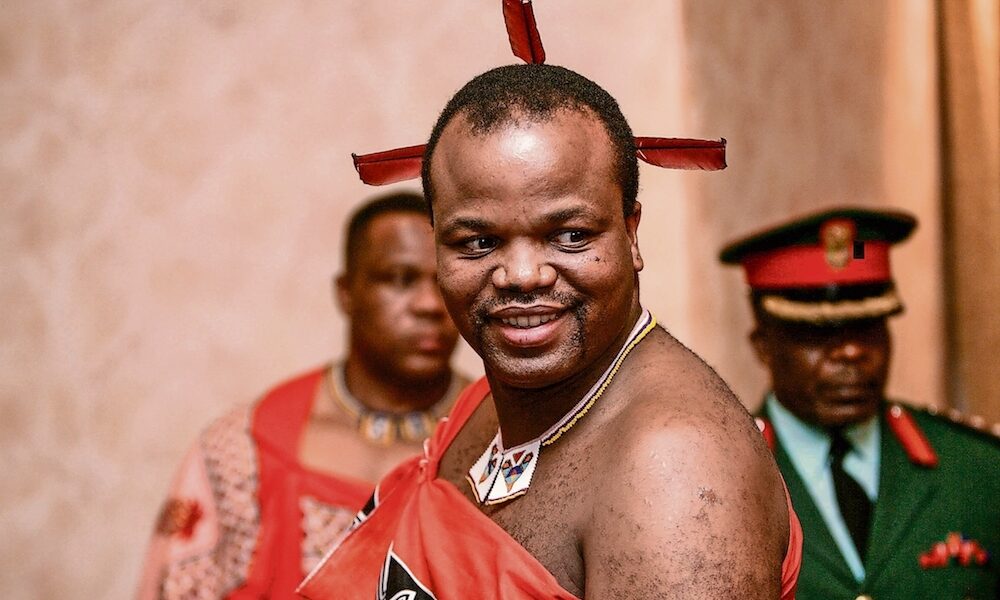
The unions contend that allowing the monarch in Botswana could taint its long-standing image as a defender of democracy and human rights within the region
BONGANI MALUNGA
The Botswana government has rejected growing calls from trade unions to bar King Mswati III from entering the country, following renewed allegations of poor labour practices and human rights concerns in Eswatini. Labour organisations argue that Botswana should take a firm stance against alleged suppression of workers’ rights, political freedoms and democratic reforms in the neighbouring kingdom.
Trade union leaders publicly have raised concerns about the reported suicide of senior military bodyguard Lieutenant Colani Mdluli, pointing to claims in Eswatini media that his death may have been influenced by poor working conditions and low remuneration.
UNION PRESSURE
The issue came to the forefront during May Day commemorations held in Letlhakane, where the Botswana Federation of Trade Unions (BFTU) president Martha Molema publicly expressed opposition to King Mswati’s presence in Botswana.
“There is a recent unfortunate incident that took place in Eswatini of Lieutenant Colani Mdluli, who took his life due to economic stress caused by slavery salaries in a country where the royal family lives in luxury. It is the same government that does not allow for freedom of speech. We want to openly reiterate that King Mswati is not welcome in Botswana,” Molema remarked earlier this month.
DIPLOMATIC ENGAGEMENT
However, the Ministry of International Relations has maintained that Botswana remains committed to diplomatic engagement and regional cooperation, insisting that bilateral relations between the two countries cannot be dictated by political commentary.
In an interview with The Botswana Gazette, the Minister of International Relations, Phenyo Butale stated that the union’s views do not mirror the government’s position.
AMICABLE RELATIONS
“The comments made by the BFTU President regarding King Mswati’s visit do not reflect the official stance of the Botswana government. Our bilateral relations with Eswatini are amicable, highlighted by President Advocate Duma Gideon Boko’s recent visit to the country. The Botswana government is committed to maintaining strong ties with our neighbors and believes in dialogue as a crucial tool for resolving any differences,” Butale told this publication.
“We recognize the importance of workers’ rights and are aware of the complexities involved in this issue in Eswatini. While we value our relationship with Eswatini, we are committed to encouraging constructive discussions that yield positive outcomes. Open dialogue is essential for addressing concerns and preserving the integrity of our diplomatic relations,” the minister stressed.