
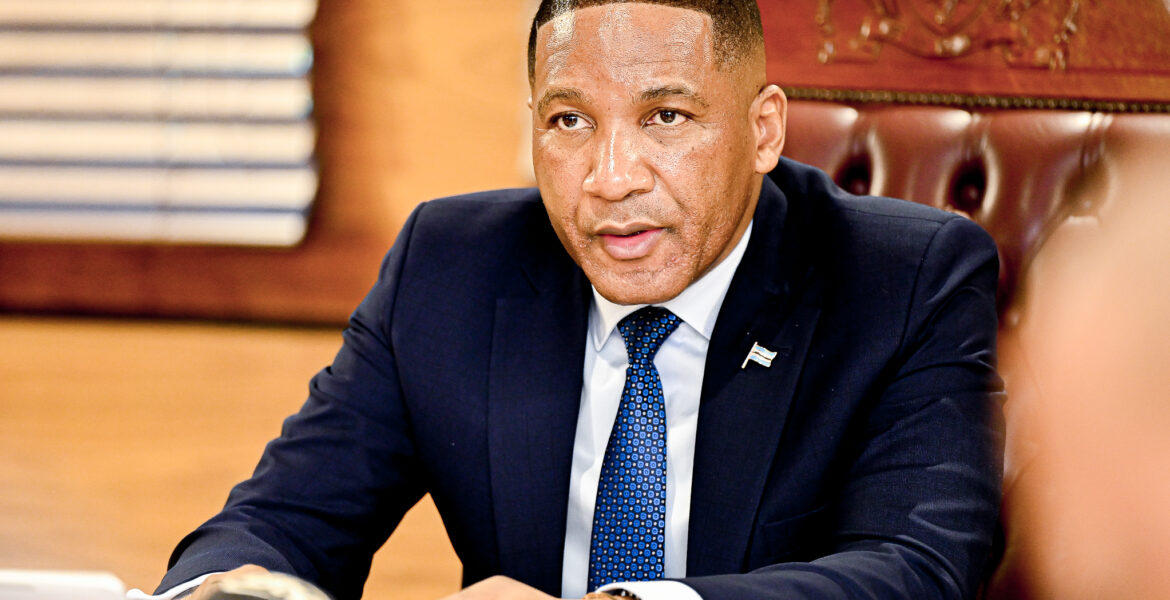
The Manual Workers Union accuses the UDC government, led by Duma Boko, of failing to deliver on key election promises and worsening labour and governance relations
GAZETTE REPORTER
The Manual Workers Union has launched a scathing critique of the Umbrella for Democratic Change (UDC) administration, accusing the ruling coalition of failing to deliver on key promises made ahead of the 2024 elections.
In a lengthy report titled “A Clarion Crying Voice: UDC Government Failures,” the union outlines what it describes as ten major governance shortcomings under the administration led by Duma Boko and the Umbrella for Democratic Change (UDC).
The union says the report is intended to “inform, warn and guide” the country on what it calls growing socio-economic and governance deficiencies since the change of government.
LEADERSHIP STYLE UNDER SCRUTINY
Among its central criticisms is what it describes as an increasingly intolerant and less inclusive style of leadership. The union argues that the government has failed to sufficiently engage critical stakeholders such as opposition parties, civil society and labour organisations in national dialogue.
“The country is left wondering if the leadership is open to advice,” the union states in the report. It further accuses the administration of monopolising decision-making processes and limiting democratic participation.
CONCERNS OVER DELAYED CONSTITUTIONAL REFORMS
The union also accuses the government of failing to initiate a comprehensive constitutional review despite campaign promises made during the election period.
According to the report, delaying such reforms undermines efforts to strengthen accountability and deepen democratic governance.
“Failure to trigger a comprehensive national constitutional review is a serious miscarriage of trust,” the union says.
ALLEGATIONS OF CORRUPTION AND FAVOURITISM
Corruption, nepotism and favouritism are also highlighted as major concerns in the report. The union claims that the awarding of direct tenders without competitive bidding risks promoting cronyism and undermining transparency in public procurement.
It cites concerns about large government contracts allegedly awarded to companies with limited track records.
STRAINED LABOUR RELATIONS
The union further claims that labour relations between government and trade unions have deteriorated significantly.
Salary negotiations, according to the report, have been unusually prolonged and confrontational. The union says it had expected the UDC, which it describes as historically aligned with workers’ struggles, to adopt a more consultative approach in dealing with organised labour.
MINIMUM WAGE PLEDGE
A key point of contention remains the government’s handling of the promised P4,000 minimum wage.
The union argues that the administration has effectively backtracked on its pledge by proposing a “living wage package” that combines basic pay with allowances instead of introducing a P4,000 basic salary.
ECONOMIC AND HEALTH CONCERNS
The report also highlights rising unemployment, an economic slowdown, and what it describes as a national health crisis linked to medicine shortages as further indicators of governance shortcomings. It further criticises what it calls reckless public spending by the administration.
Despite the criticism, the union says its intervention is meant to stimulate constructive dialogue and policy reform rather than simply attack the government.