
The Minister of Justice says delays in executions are due to ongoing appeals and mercy petitions, and not President Boko’s reluctance
SESUPO RANTSIMAKO
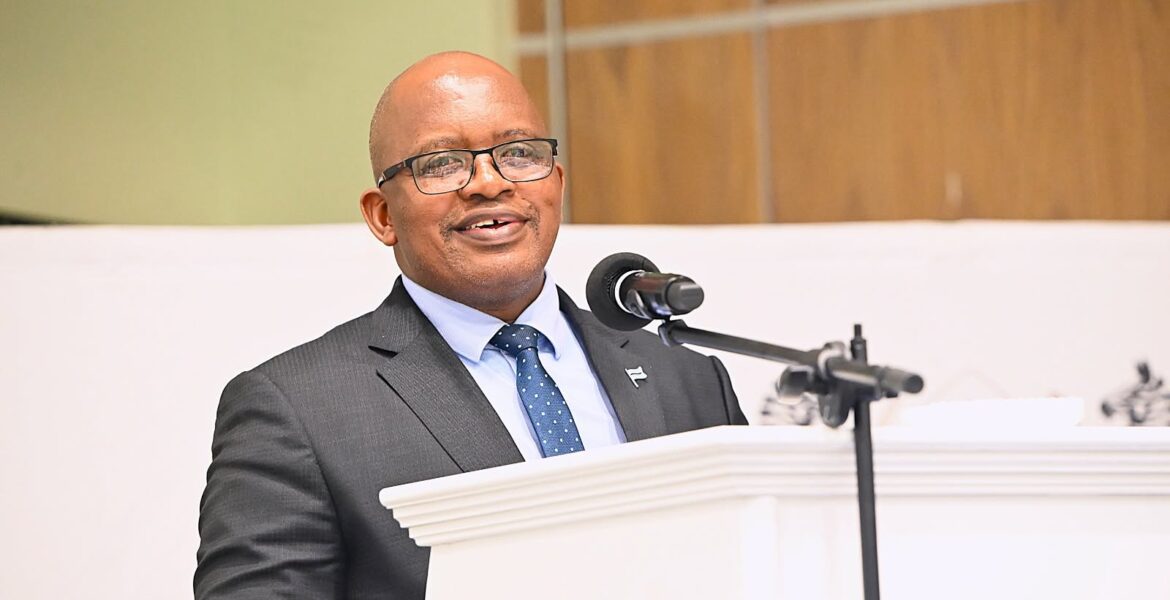
The Minister of Justice and Correctional Services, Nelson Ramaotwana has moved to shield President Duma Boko from mounting criticism over Botswana’s apparent freeze on executions, insisting that the fate of the country’s 21 death row inmates lies in the hands of the courts and not the President.
GOV’T DEFENDS PRESIDENT
Facing growing accusations that his administration is quietly abandoning capital punishment, Ramaotwana recently told Ntlo ya Dikgosi that no condemned prisoner can be executed until every legal process, including appeals and petitions for presidential mercy, has been exhausted.
Responding to a question from Kgosi Motlotlegi Kachana of North East on the prolonged delay in concluding death row cases, Ramaotwana said the law leaves the President with no room to act until the judiciary has completed its work.
‘ALL LEGAL PROCESSES MUST BE EXHAUSTED’
“The President must first satisfy himself that all judicial processes have been followed and exhausted before exercising his executive authority,” Ramaotwana said. “No convicted inmate can be executed before that process has been completed.”
His remarks amount to the government’s strongest defence yet of President Boko, who has come under increasing pressure from critics questioning why no executions have been carried out since he assumed office.
MERCY PETITIONS STALL THE NOOSE
Ramaotwana disclosed that Botswana currently has 21 prisoners on death row, with only six having exhausted the Court of Appeal process.
Of those six, four had their appeals dismissed before October 2024, while two lost their appeals in 2025. All six subsequently filed petitions for presidential mercy, applications that are still awaiting the President’s determination.
PRESIDENT YET TO DECIDE
The Minister said Boko cannot determine those mercy petitions until he is fully satisfied that every constitutional and judicial requirement has been complied with.
The disclosure suggests that despite mounting public pressure for executions to resume, it is the legal process—not presidential reluctance—that continues to keep the gallows idle.
POLITICAL PRESSURE MOUNTS
The issue has become increasingly political because Boko has long been one of Botswana’s most outspoken critics of the death penalty.
Since taking office, critics have accused him of deliberately allowing executions to stall while allegedly laying the groundwork for constitutional reforms to abolish capital punishment altogether.
DEATH PENALTY DEBATE FAR FROM OVER
The President has repeatedly dismissed those allegations, insisting that his administration is not pursuing constitutional amendments to abolish the death penalty.
Even so, with 21 condemned prisoners still awaiting their ultimate fate and no execution date in sight, the debate over whether Botswana is quietly retreating from capital punishment is unlikely to disappear anytime soon.