
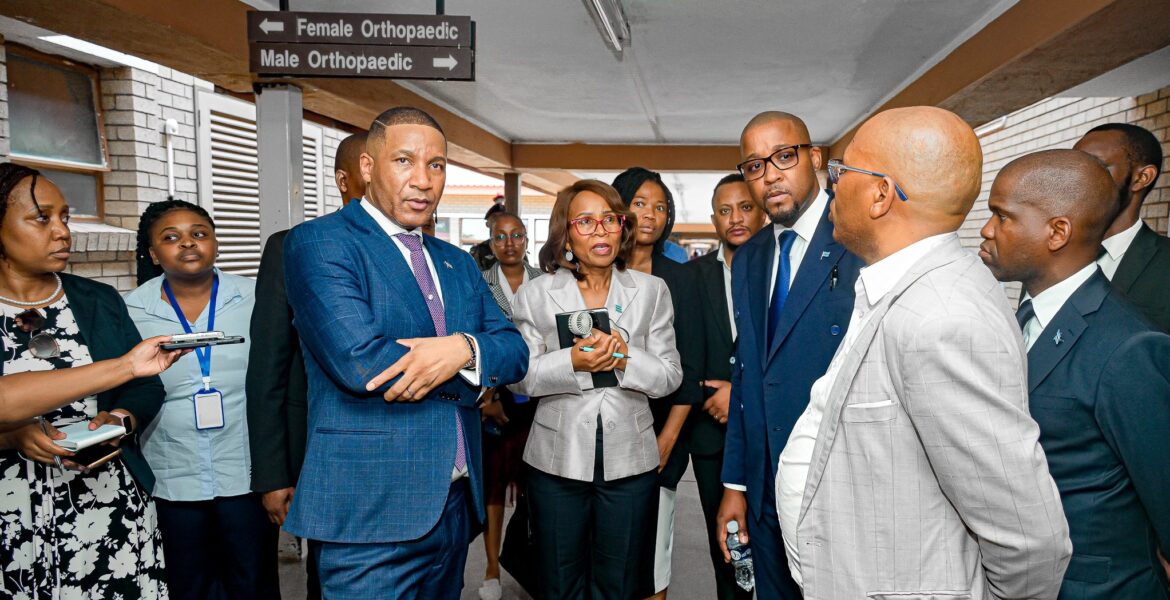
Health Ministry says the presidential directive stabilised Botswana’s medicine supply and strengthened national buffer stocks
BONGANI MALUNGA
The Ministry of Health (MoH) has defended President Duma Boko’s declaration of a State of Public Health Emergency in August last year, insisting that the measure has had a tangible impact on the country’s medicine supply.
Despite criticism from some quarters over the necessity and timing of the emergency, the ministry maintains that the presidential directive has yielded positive results. According to the ministry, the availability of highly critical medicines fell to 17% at the onset of the State of Public Health Emergency. Emergency procurement and improved distribution raised availability to 32% by the end of the emergency period. Deliveries made after the emergency further boosted supplies, with medicines availability now standing at 64% across health facilities.
IMPROVED SUPPLY OUTLOOK
Responding to a question about the necessity of the state of public health emergency, the Assistant Minister of Health, Lawrence Ookeditse told Parliament on Monday that the measure has improved supply outlook and enhanced preparedness for potential health crises.
“While the crisis presented significant challenges, the decisive declaration of the Emergency, combined with coordinated national and international support, has placed the country firmly on a path towards recovery. The focus is geared towards consolidating the gains, institutionalizing structural reforms and building a resilient, transparent and accountable medical supply chain system capable of preventing such recurrence,” Ookeditse noted.
The deputy minister highlighted that the emergency framework facilitated better coordination with pharmaceutical suppliers, streamlined distribution channels and allowed for timely replenishment of medical inventories across hospitals and clinics nationwide.
ARVs SUPPLY SECURED
Ookeditse also revealed that the ministry has achieved its objective of ensuring uninterrupted access to ARV treatments as a matter of national importance.
“Twelve months’ supply of all ARV regimens have been secured through international suppliers and multilateral partners. At the start of the Emergency period, the average availability for ARVs was 71% and due to the procurements undertaken during the emergency period, sustained deliveries of ARVs contributed to an availability of 73% by the end of February 2026. Similar arrangements have been secured for medicines to safeguard continuity of care for cancer and other chronic illnesses,” he elaborated.