
Health ministry confirms isolated resistance to Ebola screening at the Tlokweng Border, says situation is under control with awareness efforts ongoing
BONGANI MALUNGA
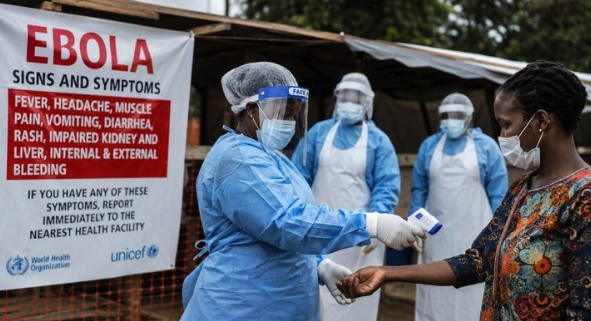
The Ministry of Health has confirmed that it has encountered instances of travellers refusing to undergo Ebola screening at the Tlokweng Border Post, although they insist the cases remain isolated and are being closely monitored.
The development follows concerns raised by the Tlokweng District Council, that some travellers entering Botswana have resisted screening measures introduced as part of the country’s heightened disease surveillance efforts.
The Tlokweng Border Post remains one of Botswana’s busiest entry points and plays a critical role in cross-border movement between Botswana and neighbouring countries. With concerns over the spread of Ebola in parts of the continent, local health officials have intensified screening procedures at points of entry to strengthen early detection and protect public health.
LIMITED UNDERSTANDING
Speaking in an interview with The Botswana Gazette, Ministry of Health spokesperson Christopher Nyanga said most of the resistance appears to stem from limited understanding of the screening process rather than deliberate refusal.
“We are aware of reports that a small number of travellers may not have cooperated well with Ebola screening officials at points of entry since the screening started a few days ago. While these incidents are in the minority, the Ministry of Health is monitoring the situation closely. Our teams are reviewing the circumstances of each report and coordinating with port health officers, border authorities, and other partner agencies to ensure screening procedures are clear, consistently applied, and respected,” Nyanga told this publication.
PUBLIC AWARENESS VITAL
Nyanga explained that initial assessments indicate that communication and public awareness remain central to improving compliance.
“Our preliminary findings indicate that some travellers were not aware of the screening and did not understand what it entailed. However, when explained to them, most travellers have been very understanding and cooperative. Most now understand that these are necessary screenings that are altogether non invasive,” the ministry’s spokesperson added.
ENGAGING TRAVELLERS
The ministry says maintaining public confidence while enforcing health protocols remains a priority and emphasised that screening measures are intended to safeguard both travellers and communities. Nyanga said the ministry will continue engaging travellers and raising awareness as border health surveillance continues.
“Further, we encourage all travellers to follow the guidance of health authorities. The Ministry will keep the public informed of any changes to screening procedures as the situation evolves.”