
Government says accepting passports and driver’s licences at polling stations could prevent eligible voters from losing their chance to cast a ballot.
BONGANI MALUNGA
A proposal to allow voters to use driver’s licences and passports alongside the national identity card, Omang, at polling stations has emerged as a key electoral reform following last week’s All-Party Conference, with the government arguing that it could prevent eligible citizens from being turned away on voting day.
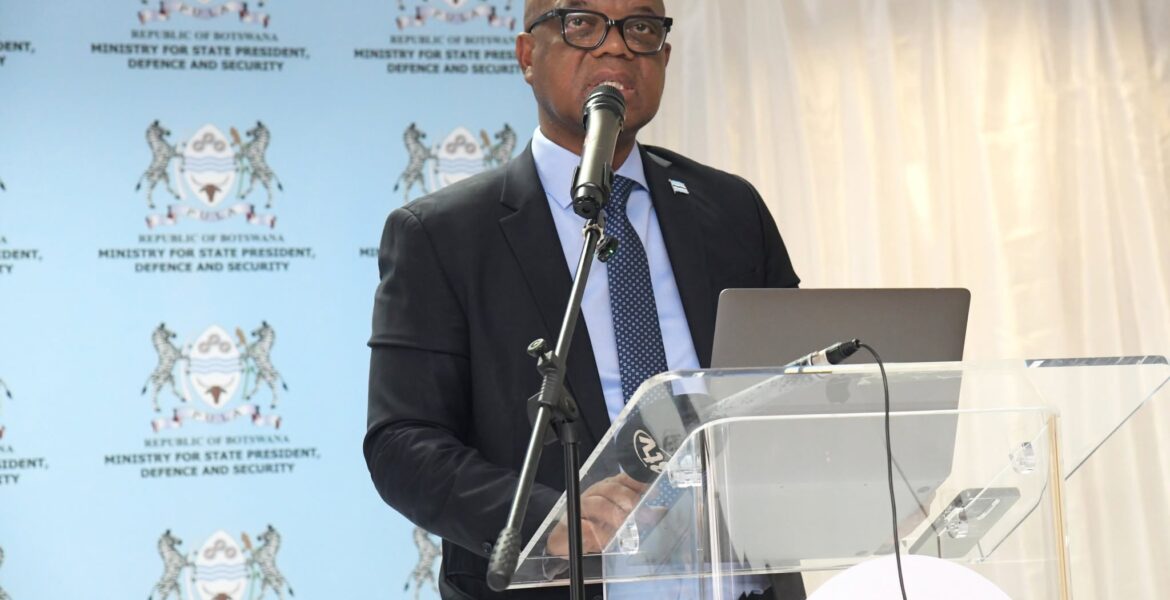
Speaking to the media after the conference, Minister for State President, Defence and Security Moeti Mohwasa said the proposal was among several recommendations to be considered during the planned review of Botswana’s Electoral Act. He said the objective was to make voting more accessible while protecting the credibility and integrity of the electoral process.
WIDER ACCESS
“In some instances some people cannot vote despite having identification documents such as driver’s licences and passports. We should explore ways of introducing new identification methods for voting such as licences and passports, without diminishing the integrity ID cards (omang),” Mohwasa stated.
The proposal seeks to address cases in which eligible voters arrive at polling stations without their Omang but have other government-issued documents that can establish their identity. Under the current system, Omang remains the primary document used to verify a voter’s identity before a ballot is issued.
Mohwasa said discussions at the All-Party Conference reflected a shared commitment among political stakeholders to modernise Botswana’s electoral framework and remove unnecessary barriers that may prevent citizens from exercising their constitutional right to vote.
ELECTORAL REVIEW
The proposed amendment is expected to form part of broader reforms under the review of the Electoral Act. The process is anticipated to examine voter registration procedures, polling processes and measures aimed at strengthening transparency, accessibility and public confidence in elections.
Mohwasa said allowing alternative forms of identification could increase voter participation, particularly among citizens who have misplaced their Omang, are awaiting replacements or encounter unforeseen circumstances on election day. He maintained that driver’s licences and passports are official government-issued documents carrying sufficient identifying information.
However, he stressed that any changes would be carefully designed to preserve the integrity of Botswana’s electoral system and ensure that broader identification options do not weaken safeguards against electoral fraud or duplicate voting.