
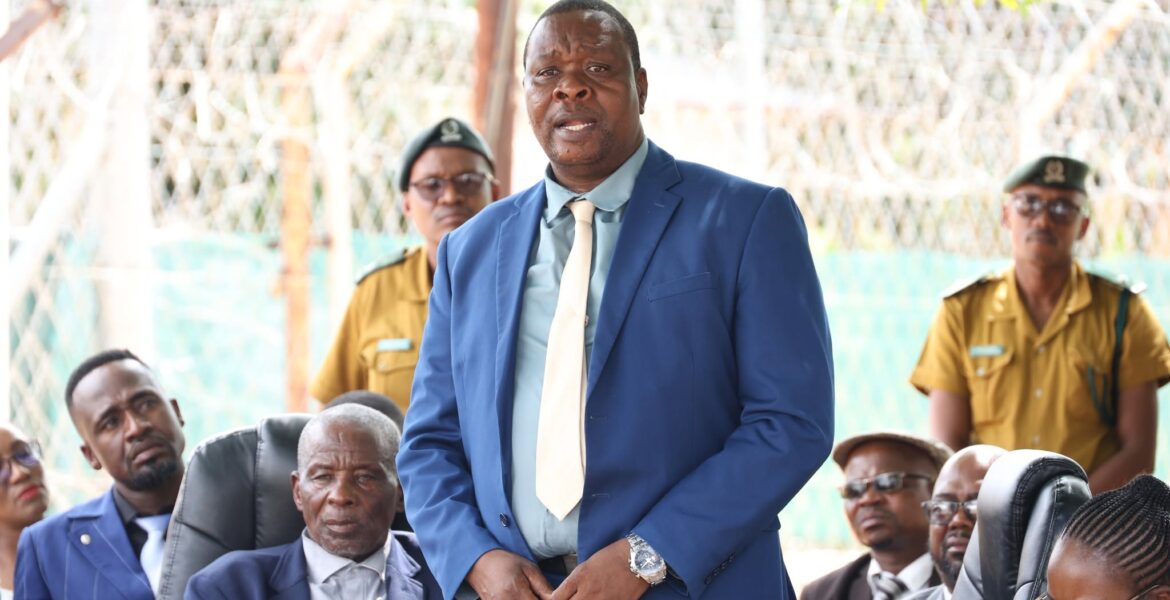
MP Mpho Morolong is seeking regional backing for the recognition of sign language as an official language, extending Botswana’s inclusion debate to the SADC Parliamentary Forum.
SESUPO RANTSIMAKO
Kgatleng Central MP Mpho Morolong is set to ask the Southern African Development Community (SADC) Parliamentary Forum to adopt a regional position calling for the recognition of sign language as an official language.
Regional Push
Speaking in an interview with The Botswana Gazette this week, following Parliament’s adoption of his motion calling on the Botswana Government to recognise sign language as an official language, Morolong said the next step was to push for similar recognition across the SADC region.
As a member of the SADC Parliamentary Forum, Morolong said he intends to table the same motion before the regional body, seeking support for a common SADC position that would promote the formal recognition and use of sign language across member states.
Madagascar Forum
Morolong said he plans to raise the matter at the upcoming SADC Parliamentary Forum scheduled to take place this month in Madagascar. He said regional adoption of the proposal would strengthen efforts to ensure that sign-language users are recognised and able to participate fully in social, economic and political life across SADC member states.
Access to Services
According to Morolong, the proposed position could encourage SADC countries to strengthen policies and legislation supporting the use of sign language in public institutions and services.
He said his initiative places the rights and inclusion of deaf and hard-of-hearing people on the regional parliamentary agenda, particularly their ability to access Government services, education and public information.
“Recognition of sign language as an official language could have significant implications for how governments communicate with citizens who rely on sign language. It could strengthen calls for sign-language interpretation in Parliament, courts, healthcare facilities, schools and other public institutions, helping to ensure that deaf citizens are not excluded from essential services because of communication barriers,” he said.
SADC-Wide Approach
Morolong stressed that a regional position would also provide an opportunity for SADC member states to harmonise their approaches to sign-language recognition and accessibility.
The proposal could further encourage governments to invest in sign-language interpreters, training and educational resources as part of efforts to improve inclusion and equal access to public services. If adopted, it could place sign-language recognition higher on the SADC agenda and encourage member states to strengthen legal and institutional frameworks for deaf and hard-of-hearing people.