
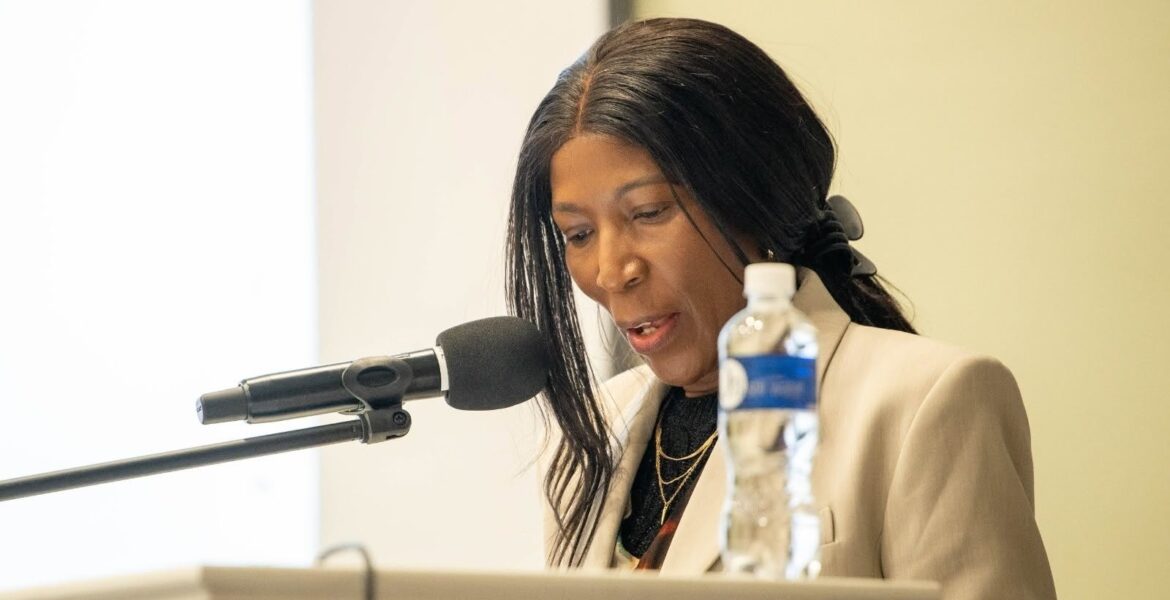
Government and public sector unions have reached another deadlock over local per diem, with DPSM rejecting the unions’ preferred P800 arrangement.
SESUPO RANTSIMAKO
Government and public sector unions have hit another deadlock over local per diem, with the Directorate of Public Service Management (DPSM) rejecting the unions’ preferred arrangement and pushing for tighter controls on accommodation payments.
UNIONS DIG IN
In a joint statement, the five unions, Botswana Doctors Union (BDU), Botswana Nurses Union (BONU), Botswana Teachers Union (BTU), Botswana Public Employees Union (BOPEU) and Botswana Sectors of Educators Trade Union (BOSETU), and DPSM confirmed the deadlock.
The unions insist that the existing Public Service Directive No. 1 of 2024 should be maintained. Under their proposal, government would pay accommodation costs directly to licensed hospitality establishments at P800 per day, while the P700 meal and incidental allowance would remain unaccounted for.
The unions argue that this is the arrangement that should be implemented rather than introducing a new system that could place additional administrative and financial burdens on public servants.
SETTLEMENT FAILS
The standoff follows a 17 August 2026 court settlement agreement, which paved the way for DPSM and public sector trade unions to meet on 28 and 31 August to work out how local per diem controls would be implemented. However, consultations between the unions and DPSM ended without a deal.
DPSM, however, has taken a harder line, citing the government’s current fiscal austerity measures.
DPSM OFFERS P900
The employer wants accommodation costs increased to P900 per day, but with a major condition: public servants would have to produce receipts from licensed hospitality facilities to account for the expenditure.
The remaining P600 would be allocated for meals and incidental expenses without requiring receipts.
RECEIPTS SPARK DISPUTE
DPSM says the proposed arrangement is financially prudent in the current fiscal environment. It has also proposed that the adequacy of the P600 meal and incidental allowance be reviewed after 12 months, taking into account prevailing circumstances and applicable fiscal considerations.
However, the government’s position has failed to win over the unions, which remain committed to the 2024 directive. After two rounds of consultations, the parties walked away without consensus.
NO DEAL YET
The failure to agree means the battle over local per diem remains unresolved despite the court settlement that triggered the latest consultations.
The dispute puts government’s austerity measures under renewed scrutiny, with public sector unions resisting what they see as an attempt to alter the existing per diem arrangement, while government insists that the country’s financial position demands tighter controls.
While DPSM wants greater accountability for accommodation expenditure, the unions are pushing for implementation of the 2024 directive, leaving the two sides facing another potential showdown over local per diem.