
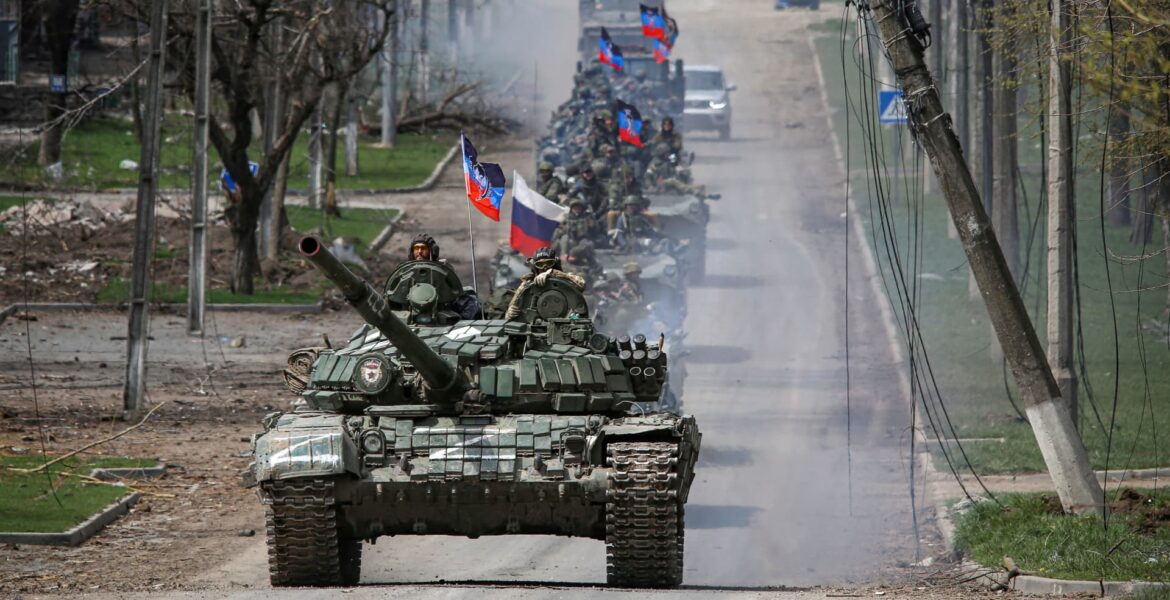
Botswana warns citizens who knowingly join Russia’s military that they risk prosecution at home, as 15 people linked to recruitment remain unaccounted for.
BONGANI MALUNGA
Batswana who knowingly enlist in the Russian military could face prosecution when they return home, the government has warned, as it attempts to locate 15 citizens linked to recruitment for the Russia-Ukraine war.
Minister of International Relations Phenyo Butale told Ntlo ya Dikgosi on Monday that some citizens had been lured by promises of lucrative jobs, while others were believed to have travelled knowing they would enter military service.
Legal Warning
“Others travelled into Russia knowingly and they are said to have entered into some contracts with the Russian Federation,” Butale said in response to Kgosi Ian Khama of GaMangwato.
He warned that voluntary involvement in a foreign armed conflict could breach Botswana’s Foreign Enlistment Act, which restricts participation in foreign military conflicts without lawful authority. The risk of prosecution, he said, applies to those found to have deliberately enlisted.
Fifteen Missing
Government figures show that 27 Batswana have been linked to Russian military recruitment since 25 June. Eight were intercepted before reaching Russia, four have been repatriated and 15 remain unaccounted for.
Butale said Batswana had previously been intercepted at OR Tambo International Airport in South Africa and Bole International Airport in Ethiopia as they attempted to travel to Russia.
Routes Shift
Authorities now fear some prospective recruits are avoiding monitored flights. Butale said some were believed to be travelling by bus into Zambia and arranging onward connections to Russia, making interception harder.
He also disclosed that fiscal pressures were limiting repatriation efforts because his ministry had no dedicated budget to bring affected citizens home.
Diplomatic Approach
Despite the government’s opposition to Batswana fighting in foreign wars, Butale said there were no immediate plans to lodge a formal diplomatic protest against Moscow.
“We believe in dialogue than protests,” he said. He indicated that, if existing engagements failed, the issue could be raised directly between President Duma Boko and Russian President Vladimir Putin.