
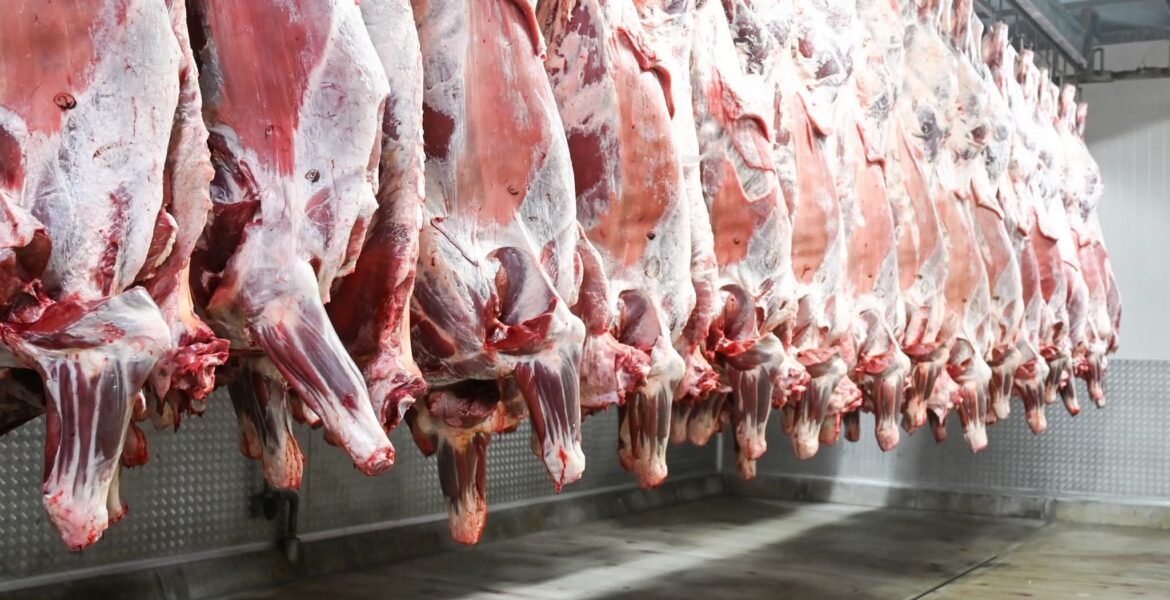
The UK’s suspension of Botswana beef imports draws regional criticism, with experts warning it could undermine global disease-control systems.
GAZETTE REPORTER
The United Kingdom is facing criticism over its decision to suspend imports of fresh beef from Botswana, with regional experts questioning whether the move undermines globally recognised disease-control systems.
The suspension, introduced earlier this year, has sparked concern among Southern African veterinary authorities, particularly in neighbouring Namibia, where officials warn the decision could erode confidence in long-established livestock management frameworks.
According to reports, the Livestock and Livestock Products Board of Namibia has raised red flags over the UK’s approach.
Its Executive for Quality Assurance, Dr Anja Boshoff-De Witt, defended Botswana’s disease-control measures, arguing that the country’s zoning system remains robust and effective.
“The zoning system in Botswana works well,” Boshoff-De Witt said, adding that the UK’s response was concerning. “It appears that these trading partners do not fully recognise or take into account Botswana’s zoning controls.”
ZONING SYSTEM
Botswana’s zoning model, recognised by the World Organisation for Animal Health, is designed to isolate outbreaks of foot-and-mouth disease within specific areas, allowing unaffected regions to continue exporting safely.
The system has long been a cornerstone of Botswana’s beef export industry, enabling trade continuity even during outbreaks in specific zones.
Despite this, the UK’s Animal and Plant Health Agency issued a directive, OVS Note 2026/04, on 4 February 2026, temporarily halting imports of fresh bovine meat processed on or after 30 December 2025.
The restriction followed Botswana’s notification of a foot-and-mouth disease outbreak confirmed on 29 January in Zone 6b, along with suspected cases in Zone 3c.
GLOBAL STANDARDS
Boshoff-De Witt questioned whether such actions signal a broader disregard for internationally accepted standards governing animal health and trade.
“If WOAH-recognised zones are not being respected, then the question is why,” she said.
“Are importing countries choosing not to conduct their own audits?”
The concerns point to a potential disconnect between global frameworks designed to facilitate safe trade and the precautionary measures being adopted by importing countries.
REGIONAL IMPACT
The issue is understood to carry wider regional implications.
Namibia, which maintains close disease-management coordination with Botswana, views its neighbour as a critical buffer in protecting its own livestock industry.
Experts warn that any loss of confidence in Botswana’s systems could destabilise broader Southern African trade networks and disrupt cross-border disease control efforts.
Meanwhile, Namibia’s Directorate of Veterinary Services has imposed its own temporary restrictions on the import and transit of cloven-hoofed animals and related products from affected Botswana zones.
The move was described as a precautionary response following confirmed outbreaks reported through the World Animal Health Information System.
EXPORT PRESSURE
The UK’s decision coincides with tightening controls in Europe.
The European Commission has also moved to suspend imports of fresh beef from parts of Botswana, particularly disease-control Zone 3c, after outbreaks were detected in the North-East District.
Botswana authorities, however, have downplayed fears of a complete export shutdown.
Acting Minister of Lands and Agriculture Edwin Dikoloti dismissed reports of a blanket European Union ban, noting that shipments are still en route to European markets.
“There is a good number of containers on their way to the EU as we speak,” he said, adding that the Botswana Meat Commission is ramping up slaughter volumes of EU-eligible cattle.
Officials say efforts are underway to fulfil export quotas to Norway by June, even as uncertainty continues to shape the outlook for Botswana’s beef trade.