
Botswana faces renewed scrutiny as the UN flags gaps in detention conditions, trafficking enforcement and refugee protections.
GAZETTE REPORTER
Botswana’s human rights record is under renewed international scrutiny after the United Nations Human Rights Committee flagged persistent shortcomings in detention conditions, human trafficking enforcement and refugee protections.
Presenting the Committee’s latest follow-up assessment, Special Rapporteur Yvonne Donders said Botswana had made some progress but warned that key concerns remain unresolved.
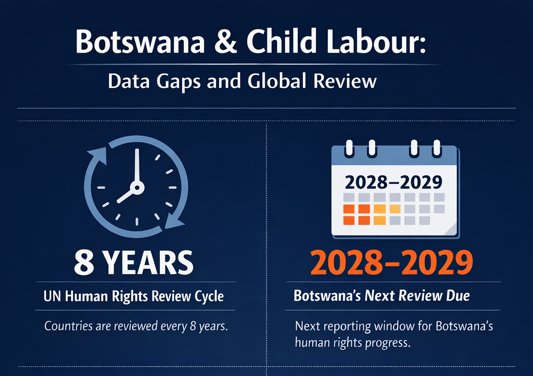
“As the Committee monitors States’ implementation of the Covenant over an eight-year cycle, it is important to continue monitoring and dialogue,” Donders said, adding that the follow-up process focuses on priority issues identified in earlier reviews.
The Committee has now decided to discontinue its follow-up procedure for Botswana alongside Cambodia and Ukraine, with a full update expected in the country’s next periodic report due in 2028 or 2029.
DETENTION CONDITIONS
While Botswana was commended for steps to align detention conditions with the United Nations Standard Minimum Rules for the Treatment of Prisoners, the Committee said the situation on the ground remains concerning.
“It remains concerned that detention conditions continue to be poor,” Donders noted, pointing to overcrowding and prison populations exceeding capacity.
The Committee also raised concern over lengthy pretrial detention, particularly the continued use of mandatory detention for serious offences such as murder and treason.
Foreign nationals and individuals deemed unfit to stand trial were identified as especially vulnerable, with reports indicating they often face prolonged periods in remand without resolution.
TRAFFICKING GAPS
Botswana received recognition for implementing the Anti-Human Trafficking Act and conducting awareness campaigns, but the Committee stressed that enforcement remains weak.
“Further efforts are required to strengthen investigations and ensure accountability, as convictions reportedly remain rare,” Donders said.
The Committee also criticised the lack of publicly available data on child labour and limited information on access to shelters and support services for victims.
These gaps, it said, make it difficult to assess the true scale of the problem and the effectiveness of interventions.
REFUGEE CONCERNS
The adoption of the Refugees Act 2024 was welcomed as a positive development, alongside improvements at the Dukwi Refugee Settlement.
However, the Committee said these reforms have yet to translate into meaningful change for many asylum seekers.
“It regretted that most refugees and asylum-seekers reportedly continued to be detained,” Donders said, reiterating earlier recommendations for alternatives to detention.
The continued reliance on detention, the Committee noted, raises concerns about Botswana’s compliance with international standards on the treatment of displaced persons.
PRESSURE BUILDS
The Committee urged Botswana to improve transparency by making legislative amendments affecting detainees publicly accessible.
It also encouraged the government to intensify efforts to address statelessness, including ratifying international conventions aimed at protecting affected populations.
Despite acknowledging progress in certain areas, the report signals that significant challenges remain, particularly in translating policy commitments into measurable improvements.
With the next review cycle already set, Botswana now faces growing pressure to demonstrate tangible progress on longstanding human rights concerns.