
From mobile money scams to identity theft, rural communities are confronting digital threats and calling for practical tools to protect themselves.
BYLINE NOT PROVIDED IN DRAFT
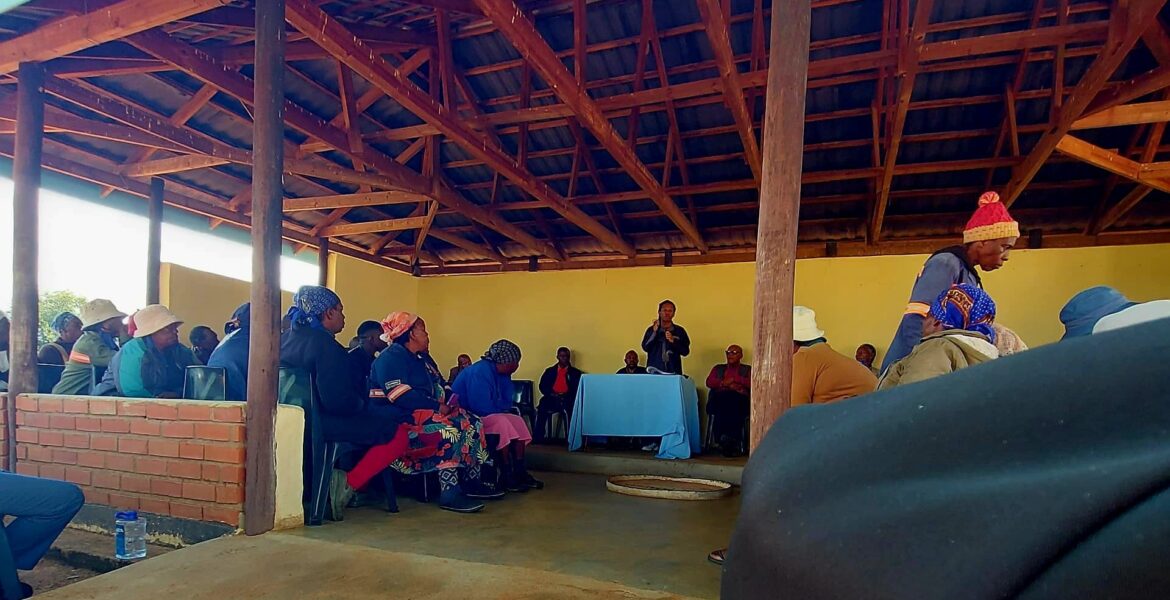
The warning did not come from a cybersecurity company or government report, but from a pensioner in a Botswana village.
“I don’t understand how they knew my pension had been paid,” she said during a community discussion on digital safety.
SCAMS HIT HOME
Her question prompted other participants to share experiences of mobile money fraud, impersonation calls and suspicious messages. Some said they had lost money, while others had become reluctant to answer unfamiliar calls or open unsolicited messages.
The discussions form part of the Village Digital Safety Botswana Initiative, a voluntary community outreach programme founded by Itumeleng Garebatshabe of Intellegere Holdings. The initiative uses village workshops to discuss practical ways of identifying and avoiding cybercrime.
THREATS EMERGE
Participants have reported mobile money scams, compromised social media accounts, fake competitions, online investment schemes and identity theft. Workshops also highlight risks such as reusing passwords and sharing personal information over the phone.
The experiences are consistent with concerns raised in the INTERPOL African Cyberthreat Assessment Report 2026, which warns that cybercrime on the continent is becoming more sophisticated and increasingly influenced by technologies such as artificial intelligence.
PENSIONERS AT RISK
Older residents have emerged as a particular concern, with some pensioners questioning how fraudsters appear to know when pension payments are made or when individuals retire. The incidents have raised concerns about the vulnerability of older people using digital financial services.
DEMAND FOR TRAINING
At the end of workshops, participants frequently ask, “When are you coming back?” The response reflects demand for continued digital-safety education as more services move online.
Garebatshabe has called for collaboration among government, financial institutions, telecommunications companies, technology firms and development partners to strengthen digital-safety awareness.