
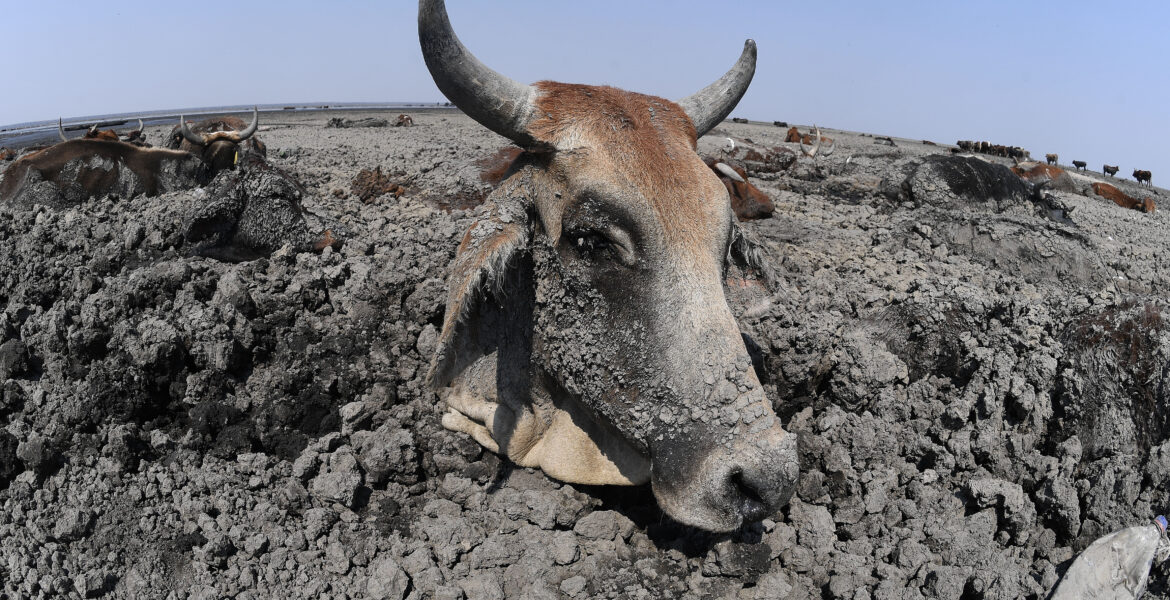
A new FAO analysis warns that Botswana faces a high risk of severe agricultural drought as a strengthening El Niño threatens crops, livestock and food security, raising concerns over the country’s preparedness for another climate shock
GAZETTE REPORTER
Botswana is among countries facing a heightened risk of severe agricultural drought as experts warn that a strengthening El Niño weather pattern could trigger crop failures, livestock losses and worsening food insecurity across Southern Africa.
A new analysis by the Food and Agriculture Organization of the United Nations (FAO) has identified Botswana as one of the countries where agricultural and pasturelands face more than 50 percent probability of drought in the coming months.
SOUTHERN AFRICA IN THE DANGER ZONE
The assessment, developed using 41 years of historical satellite data from FAO’s Agricultural Stress Index System (ASIS), maps areas considered most vulnerable to drought associated with strong El Niño-Southern Oscillation (ENSO) events.
The findings point to particularly high drought risks across Southern Africa, including Botswana.
FAO experts warn that the threat is being amplified by the convergence of climate extremes, economic pressures, food insecurity and limited capacity among vulnerable communities to recover from repeated shocks.
LESSONS FROM THE LAST DROUGHT
The warning follows the devastating 2023–24 El Niño cycle, which severely affected agricultural production, livestock and water resources across Southern Africa.
For Botswana, where large sections of rural communities depend on rain-fed agriculture and livestock farming, the projected drought risk poses a direct threat to household livelihoods and national food security.
FAO said that in communities where livestock serves both as a source of food and a store of household wealth, the loss of grazing land can rapidly translate into the loss of assets and income.
“Risk is rarely about rainfall deficits alone. A moderate drought can be devastating in places already facing conflict and chronic hunger, where crops depend entirely on rainfall, livestock holds much of a household’s wealth, and families have little margin for recovery,” the organisation said.
A CASCADE OF LOSSES
Alvar-Beltrán warned that drought impacts typically unfold in a chain reaction, beginning with crop losses and later spreading to livestock and household economies.
“A farmer might first lose crops, then livestock, and with that their entire livelihood,” he said. “With cascading impacts of multiple crises already evident, there is an urgent need to act early.”
The FAO analysis suggests that the potential impact of the coming drought will depend not only on the severity of rainfall shortages but also on the ability of affected communities to absorb and recover from the shock.
“More than 80 percent of drought impacts on agriculture are projected to hit in low- and middle-income countries,” FAO warned.
EARLY ACTION URGED
The organisation said many areas now considered at risk were also severely affected by previous El Niño events, particularly the 2015–16 and 2023–24 cycles.
The 2015–16 El Niño affected more than 60 million people globally and triggered humanitarian appeals worth approximately $5 billion across 23 countries.
FAO said early action was critical, warning that waiting until the full effects of drought become visible often results in higher costs and greater human suffering.