
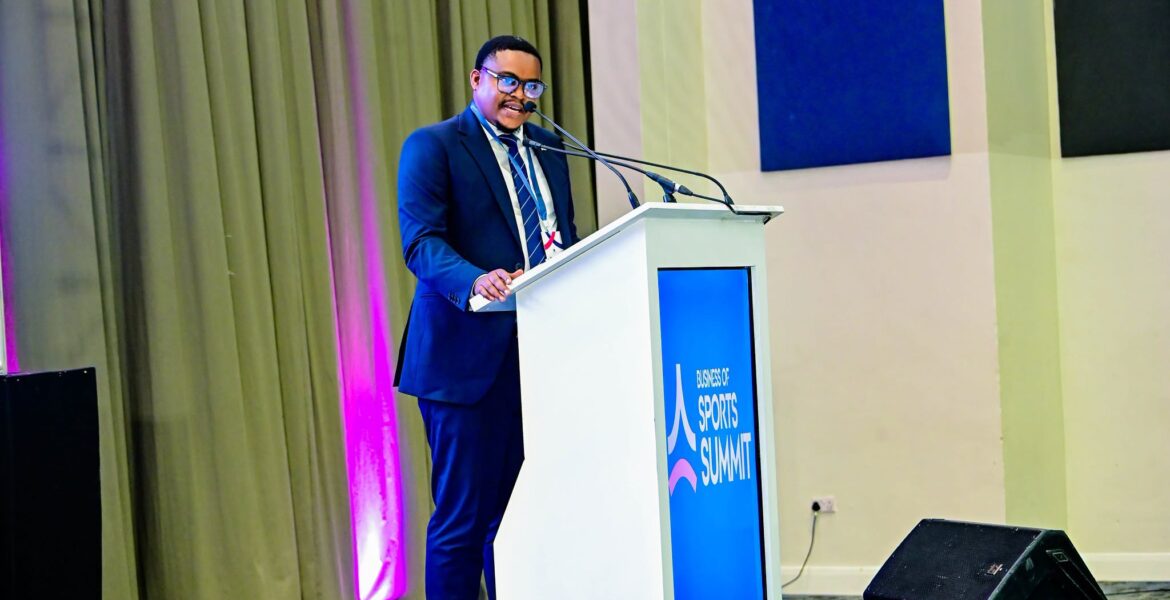
- At Commonwealth meetings in Glasgow, Botswana outlined plans to strengthen sports governance while positioning the sector as a driver of economic growth and investment
GAZETTE REPORTER
Botswana has reaffirmed its commitment to strengthening sports integrity and positioning sport as a key contributor to economic development during the Interministerial Meetings held on the sidelines of the ongoing Glasgow Commonwealth Games.
Minister of Sport and Arts Jacob Kelebeng said protecting the integrity of sport was essential to preserving fair play, ethics, respect and public confidence. He said Botswana welcomed the practical tools and guidance developed through the International Partnership against Corruption in Sport to strengthen governance, transparency, accountability and integrity across the sporting ecosystem.
“At the national level, Botswana has made significant progress in strengthening its anti-doping framework,” Kelebeng said.
He said the government had enacted the Anti-Doping Act and accompanying regulations, creating a legislative framework aligned with the UNESCO International Convention against Doping in Sport and the World Anti-Doping Code. The legislation paves the way for the establishment of Botswana’s National Anti-Doping Organization.
Kelebeng also announced that Botswana would host the second edition of the UNESCO Regional Capacity-Building Programme for the 2024–2025 non-compliant African States Parties. The programme will bring together 16 African states to strengthen legislative and institutional anti-doping frameworks.
“In line with the 11th Commonwealth Sports Ministers Meeting mandate to enhance sport integrity and combat corruption, Botswana has also institutionalised compulsory integrity education for elite national teams ahead of major international competitions,” he said.
Economic Vision
Kelebeng said Botswana viewed sport as an emerging economic sector capable of creating jobs, stimulating tourism, attracting investment and contributing to sustainable national development.
He pointed to Botswana’s hosting of the Debswana World Athletics Relays as evidence of the sector’s economic potential, saying the event generated activity across tourism, hospitality, transport, retail and small businesses while raising Botswana’s international profile as a destination for major sporting events.
“We continue to invite sporting organizations to consider Botswana as an ideal host country,” he said.
Despite economic challenges, Kelebeng said the government remained committed to investing in sports infrastructure under the National Development Plan.
“We intend to build a new 40 000-seater national stadium. We will also build community stadiums across the country as well as integrated sporting facilities,” he said.
He welcomed the proposal to establish a Commonwealth Centre of Excellence and hub for sport and economic growth, saying it would support research, knowledge sharing, capacity building and the exchange of best practices.
Kelebeng also urged Commonwealth countries to conduct research into sport’s economic contribution.
“Together, we can ensure that investment in sport is recognized not as an expense, but as a strategic investment in our economies, our people, and our future,” he said, adding that evidence-based research would help attract investors and strengthen government investment in sport.