
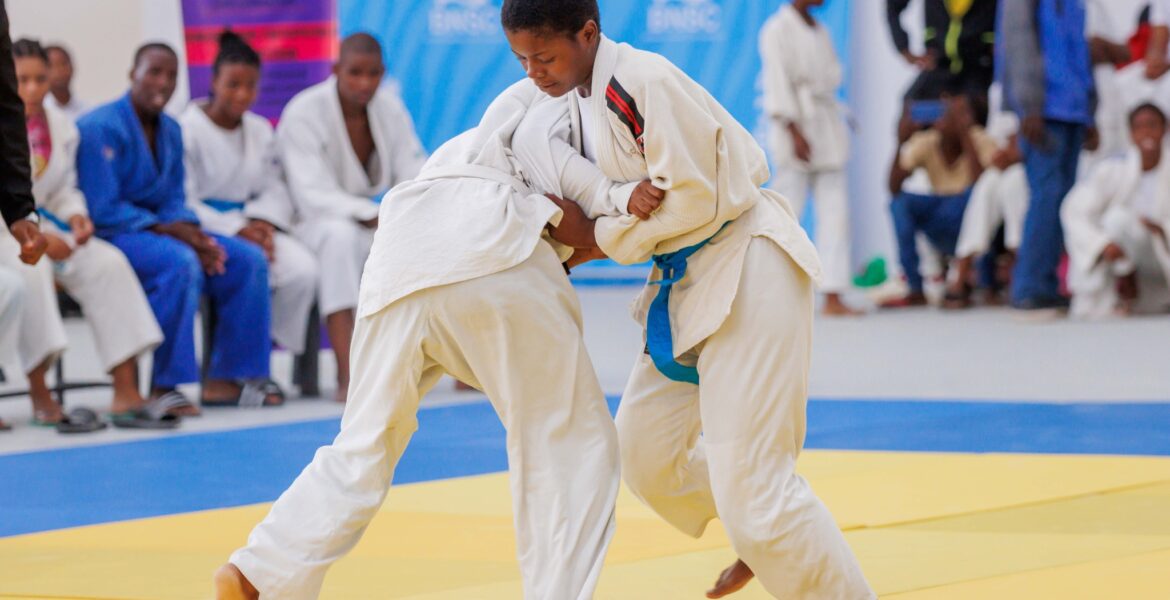
- Linda Masingizane’s election as Southern Africa Judo Confederation treasurer signals growing influence for Botswana within the region’s expanding judo community
TLOTLO KEBINAKGABO
There are moments in sport that feel less like a victory lap and more like the quiet turning of a page. Linda Masingizane’s election as General Treasurer of the Southern Africa Judo Confederation is one of them — a development that signals both personal progress and a broader shift for Botswana’s place in the sport.
For Masingizane, who currently serves as Secretary General of the Botswana Judo Federation, the appointment represents a milestone built over years spent inside the sport, first as an athlete, then an official and now an administrator.
“My election as General Treasurer represents both a personal milestone and an important moment for Botswana judo,” she said. “As a young sports administrator, it reflects the growth of my journey in judo governance and the trust that the regional judo community has placed in my leadership.”
But the significance stretches beyond the individual. Botswana now sits inside the room where decisions about the future of judo in Southern Africa are shaped.
“More importantly, it means Botswana now has representation at the regional decision-making level,” Masingizane explained. “This gives our country a stronger voice in shaping the direction of judo in Southern Africa.”
Bridging opportunities
Across Botswana, judo has quietly been gathering momentum. Participation has grown, clubs have become more active and interest from young athletes continues to increase.
Masingizane believes her regional role can act as a bridge — connecting Botswana more closely to the wider Southern African judo ecosystem and the opportunities that come with it.
“Judo in Botswana has been steadily growing in terms of participation, visibility and organisational development,” she said. “My role at the regional level creates an important bridge between Botswana and the broader Southern African judo community.”
That bridge matters. Regional competitions, development programmes and technical exchanges often determine how quickly a sport evolves in smaller federations. Masingizane sees the position as a platform from which Botswana can strengthen ties with established judo nations.
“It allows us to strengthen partnerships with neighbouring federations,” she said. “This can lead to technical support, knowledge exchange and development initiatives. It also positions Botswana to learn from bigger federations such as South Africa, Angola and Zambia.”
Visibility, too, plays a role. Being present in leadership conversations means Botswana is less likely to be overlooked when funding programmes, development projects or hosting opportunities arise.
Governance priorities
If representation is the first step, sustainability is the next.
As treasurer of the regional body, Masingizane’s focus will centre on strengthening financial governance — ensuring that the confederation operates with transparency, accountability and long-term stability.
“My primary focus will be on strengthening transparency, accountability and sustainability in the confederation’s financial management,” she said.
That includes structured budgeting, clearer reporting systems and careful oversight of how resources are distributed across development programmes and competitions.
Another priority lies in expanding financial partnerships.
“We also need to explore sponsorship opportunities and strategic collaborations that can support the confederation’s long-term goals,” she added. “Responsible resource management ensures we can continue supporting the growth of judo across all member countries.”
Next level growth
Back home, Masingizane has watched Botswana’s judo community evolve steadily. The sport is expanding, but she knows progress still depends on building stronger foundations.
“We have witnessed encouraging growth in the sport,” she said. “Participation has steadily increased and more clubs are becoming active.”
Yet for Botswana judo to reach the next level, development must continue at every layer of the system.
Investment in grassroots programmes, better training pathways for coaches and referees, and increased access to facilities will all play a role. Competitions, too, remain essential — the proving ground where young judoka sharpen their craft.
Ultimately, Masingizane envisions something broader than medals or rankings: a fully functioning ecosystem that nurtures athletes from their first training session to the international stage.
“Our goal is to build a strong and sustainable judo ecosystem in Botswana,” she said.