
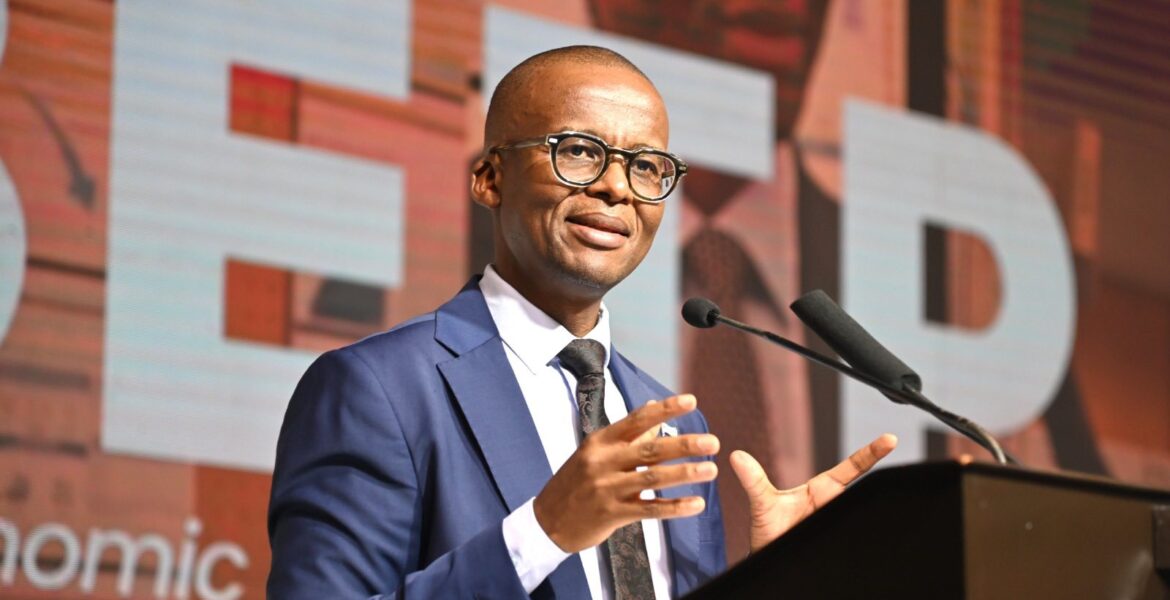
Public service unions have stressed that the timing of the proposals is concerning as citizens are already stretched thin by inflationary pressures
BONGANI MALUNGA
Trade unions are applying pressure on Vice President and Minister of Finance, Ndaba Gaolathe, urging him to rethink proposed tax increases they say will deepen the financial strain on already struggling workers and the wider community.
The labour bodies argue that the government must align its fiscal policies with the harsh economic realities facing ordinary Batswana, warning that plans to raise income tax, Value Added Tax (VAT) and other levies risk worsening the cost of living crisis.
ADDITIONAL TAX BURDEN
According to the unions, the proposed adjustments come at a time when households are grappling with relentless increases in essential expenses, including fuel, food, public transport and electricity tariffs. They caution that any additional tax burden will erode disposable incomes and further squeeze low and middle income earners.
In a statement released last week, the Botswana Public Employees Union (BOPEU) expressed concern over the government’s intention to go ahead with increments that include a proposed 46% hike in electricity tariffs by the Botswana Power Corporation (BPC), which would place financial pressure on households.
NEGATIVE IMPACT
“The rising prices of these essential commodities are negatively impacting workers and the wider community. It is vital for the government to outline a clear and practical plan that tackles these urgent issues. This plan should focus on measures that will effectively ease the economic difficulties faced by households and support their basic needs,” BOPEU asserted.
The unions are now calling on government to prioritise worker welfare by exploring alternative revenue streams and cost-cutting measures, rather than shifting the burden onto taxpayers.
RELENTLESS
Speaking on Tuesday in Parliament, Gaolathe relentlessly advanced the tax reforms as he stated that they were essential for Botswana to finance its own development. He stated that the government’s philosophy is not to build prosperity through tax burdens but to develop a simpler system that broadens participation for all citizens and businesses to comply.
“We recognise that too many of our people, particularly small businesses, informal traders and ordinary citizens are actually willing to contribute to national building. Too often they were excluded by the complexity and administrative barriers. The reforms are designed to bring them into the system through simplicity, accessibility and fairness, not through burden,” Gaolathe explained.