
Record domestic electricity output and expanding solar capacity are sharply reducing Botswana’s reliance on imported power supplies by 61.8%
BONGANI MALUNGA
Botswana is steadily strengthening its energy independence, with record local electricity generation significantly reducing the country’s reliance on imported power during the first quarter of 2026.
According to the latest Electricity Generation and Distribution Statistics Brief released by Statistics Botswana, domestic electricity production increased by a remarkable 72.8 percent year-on-year, signalling a major shift in the country’s energy landscape and underlining growing confidence in its generation capacity.
The physical volume of electricity generated locally rose to 901 903 megawatt hours (MWh) in the first quarter of 2026, up from 522 031 MWh recorded during the same period last year. On a quarter-on-quarter basis, generation increased by 20 percent, adding 150 389 MWh compared to the final quarter of 2025.
STRONGER OUTPUT
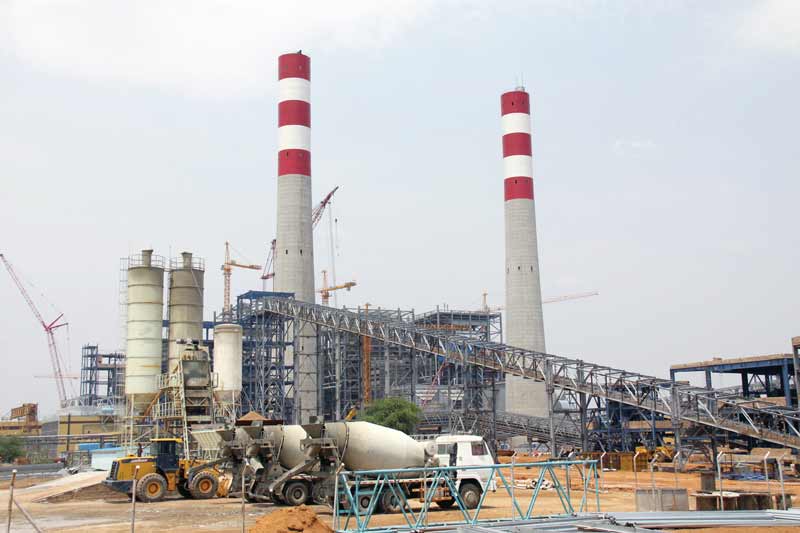
The surge was largely driven by stronger output from the Morupule A and B power stations, which together accounted for 90.8 percent of total electricity generated during the quarter, producing 818 873.9 MWh. The figures reinforce the central role of the Morupule facilities in securing Botswana’s national energy supply.
The statistics also point to growing diversification within the country’s energy mix. Solar power plants located in Bobonong, Phakalane, Shakawe and Mmadinare contributed 82 519.96 MWh, representing 9.1 percent of total generation. Meanwhile, the Orapa and Matshelagabedi emergency diesel stations supplied only 0.1 percent, highlighting a gradual transition toward renewable sources.
The report notes that the record-breaking output demonstrates that solar infrastructure is now performing at scale, providing a stable complement to conventional coal-fired generation.
INCREASE IN LOCAL PRODUCTION
The increase in local production has had an immediate impact on electricity imports. Imported electricity volumes declined by 61.8 percent year-on-year, falling from 577 466 MWh in the first quarter of 2025 to 220 305 MWh in the corresponding period this year. Compared with the previous quarter, imports also dropped by 29.8 percent, a reduction of 207 374 MWh.
Statistics Botswana attributes the decline directly to increased domestic generation and the utilisation of solar energy, which has enabled the Botswana Power Corporation to prioritise cheaper local renewable electricity over variable-priced imports from the Southern African Power Pool and South Africa’s Eskom.
While the long-term trend still reflects Botswana’s historical dependence on imported electricity to supplement domestic production, the latest figures suggest a decisive turning point. The country is increasingly generating enough power to meet its own needs, marking important progress toward energy security, lower import costs and a more sustainable electricity future.