
Jwaneng’s upcoming CBD development represents a bold shift towards economic diversification, local enterprise growth and sustainable prosperity beyond mining
BONGANI MALUNGA
The long-anticipated Jwaneng Central Business District (CBD) project is set to break ground this month, marking a significant step in Botswana’s broader ambition to build sustainable economies beyond mineral extraction.
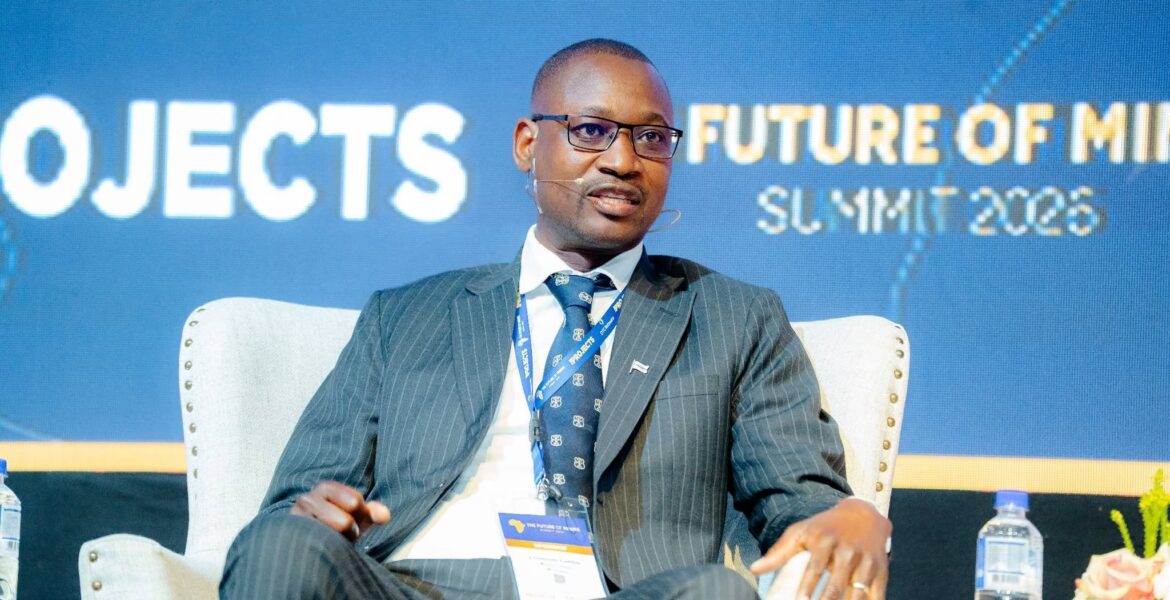
The development, championed by Debswana’s Jwaneng Mine General Manager, Goitseone Gadifele, is expected to reposition the mining town into a diversified commercial centre capable of attracting investment, stimulating entrepreneurship and creating opportunities that will outlive the life of the mine.
Speaking during the Future of Mining Summit last week, Gadifele said the project embodies Debswana’s commitment to ensuring that mining wealth leaves a lasting developmental legacy.
BEYOND THE LIFE OF MINE
“Everything that we do is guided by how we would like Jwaneng and the surrounding communities to look beyond the life of mine,” he said.
The CBD project forms part of a wider strategy to transform Jwaneng from a single-industry economy into a vibrant business destination anchored by retail, services, tourism, logistics and citizen-led enterprises. Gadifele believes such developments are critical as Botswana intensifies efforts to diversify its economy amid changing global diamond market dynamics.
For Jwaneng, the initiative could unlock substantial economic benefits, including increased property investment, job creation during construction and operation, expansion of small and medium enterprises and greater private sector participation in local development.
A LIVESTOCK PRODUCTION HUB
The project also complements other economic diversification initiatives already underway. Gadifele highlighted progress on the ambitious “Diamonds to Mutton” programme, designed to establish Jwaneng as a livestock production hub.
He revealed that land adjacent to the airport has already been secured, enabling supporting infrastructure development while quality breeding stock has been distributed to surrounding communities. The initiative seeks to create alternative income streams for residents and strengthen food production capacity in the region.
Beyond physical infrastructure, Gadifele stressed that Botswana’s most enduring diamond legacy remains its investment in human capital.
“I am currently sitting here addressing this summit and I hail from a very small village called Xhumo. I was admitted in 1990 at Xhumo Primary School. I have never been to an English medium school, yet today I am leading one of the biggest diamond mines by value in the world. That speaks to the quality of education in Botswana, regardless of where you come from,” he added.
CUT THE MIDDLEMAN
Gadifele also challenged Botswana to accelerate industrialisation and move beyond what he termed “middleman businesses.” He pointed to successful local innovation initiatives, including partnerships with the Botswana International University of Science and Technology that produced step ladders for 930E haul trucks at significantly lower costs, as well as the refurbishment of High-Pressure Grinding Rolls by citizen-owned Morphin Engineering.
Together, these achievements reflect a growing confidence that Botswana can leverage its mining expertise to build local manufacturing capabilities, positioning projects such as the Jwaneng CBD as catalysts for a broader, more resilient and inclusive national economy.