
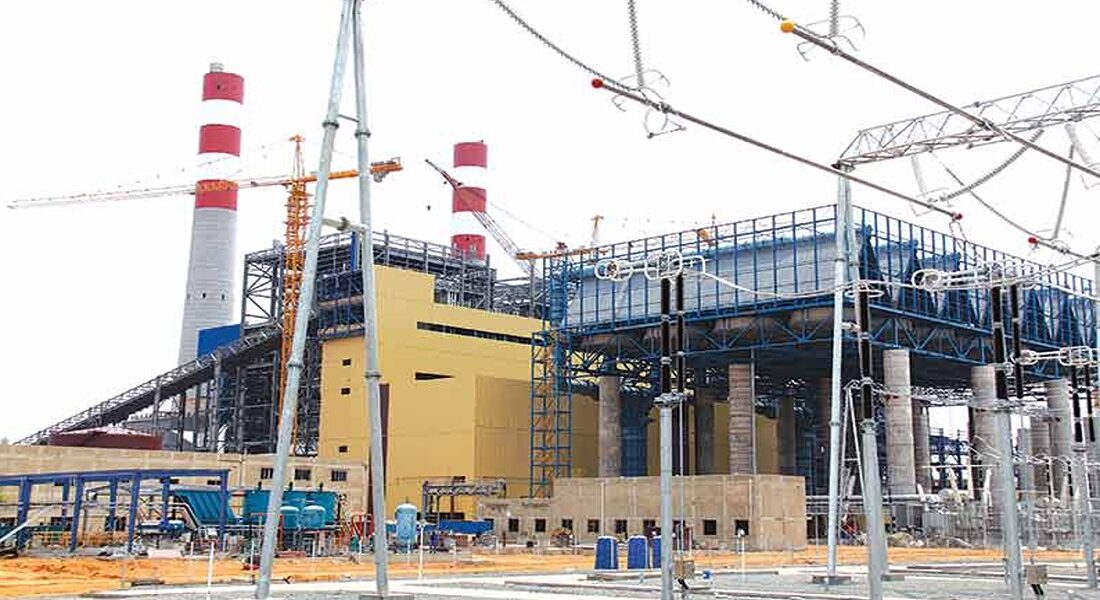
Domestic generation has reached a ten-year high and power imports have plunged, strengthening government’s ambition to turn Botswana into a regional electricity exporter.
BONGANI MALUNGA
Botswana’s ambition to shift from power importer to regional electricity exporter is gaining support from official figures, with domestic generation at its highest level in a decade and reliance on imported electricity falling sharply.
DECADE HIGH
Statistics Botswana’s Electricity Generation and Distribution Stats Brief for the second quarter of 2026, released on 29 September, shows that the country generated 994 522 megawatt-hours (MWh) between April and June. That was 56.6 percent higher than the 635 194 MWh recorded in the corresponding quarter of 2025.
Generation was also 10.3 percent higher than the 901 903 MWh produced during the first quarter of 2026, with Statistics Botswana describing the Q2 output as the highest level of domestic electricity generation recorded in the past 10 years.
IMPORTS TUMBLE
The surge in local production has had an immediate effect on Botswana’s dependence on regional electricity supplies. Power imports plunged 59.4 percent year on year, dropping from 451 754 MWh in the second quarter of 2025 to 183 191 MWh during the same period this year. Imports were also 16.8 percent lower than the 220 305 MWh recorded in the first quarter.
Statistics Botswana attributed the reduction largely to improved domestic generation and increased availability of solar power, which enabled Botswana Power Corporation (BPC) to prioritise locally generated renewable electricity over more expensive variable-priced imports.
Domestic generation accounted for 84.4 percent of electricity distributed during the quarter, an important shift as government looks beyond meeting local demand towards building enough capacity to trade electricity across Southern Africa.
EXPORT AMBITION
Minister of Minerals and Energy Bogolo Kenewendo outlined that ambition at the Unstoppable Africa forum on the sidelines of the United Nations General Assembly in New York on 23 September, six days before Statistics Botswana released the latest generation figures.
“Sovereignty isn’t only about building generation for domestic demand, but it’s also ensuring that the region is well catered for and is able to develop. And one of the projects and our ambitions is to ensure that we generate sufficiently to be able to trade in the region and to strengthen the Southern Africa power pool,” Kenewendo said.
She said Botswana has been working on electricity agreements with South Africa, Namibia, Zambia and Zimbabwe as part of efforts to strengthen the Southern African Power Pool (SAPP) and position the country for greater regional electricity trading.
COAL DOMINATES
Despite the significant reduction in imports, the Q2 figures underline Botswana’s continued connection to the regional electricity market. Of the 183 191 MWh imported during the quarter, 73.9 percent came from Eskom, while 15.8 percent was sourced through cross-border arrangements and 10.3 percent through SAPP markets.
Domestic electricity production also remains heavily reliant on coal. Morupule A and B contributed 894 024 MWh, or 89.9 percent, of locally generated electricity during Q2, while solar plants supplied 97 361 MWh, representing 9.8 percent. Emergency diesel generation accounted for only 0.3 percent.
The generation mix provides context to government’s broader renewable-energy ambitions. Kenewendo said renewable energy accounted for 8 percent of Botswana’s energy mix in 2023, against a government target of achieving a 50-50 split between renewable and conventional energy by 2030.
“Currently, this year, we’re sitting at 40%, which means we have accelerated quite a bit,” she said. Beyond reducing imports, government’s next target is to create an exportable power surplus. “By the end of next year, we anticipate that Botswana will not have only met the capacity for domestic demand but to be able to export by at least over 100 megawatts to the region,” Kenewendo said.