
By Gazette Reporter
With Botswana’s old procurement-led growth model running out of road, Stanbic Bank brought Government, corporate leaders and financiers together around the question now confronting business: how does the country build companies that produce, export and compete when the State can no longer be the customer of first resort?
THE STORY
There was an uncomfortable question hanging over the room: if Government can no longer carry as much of the economy as it once did, who does?
THE MODEL HAS REACHED ITS LIMIT
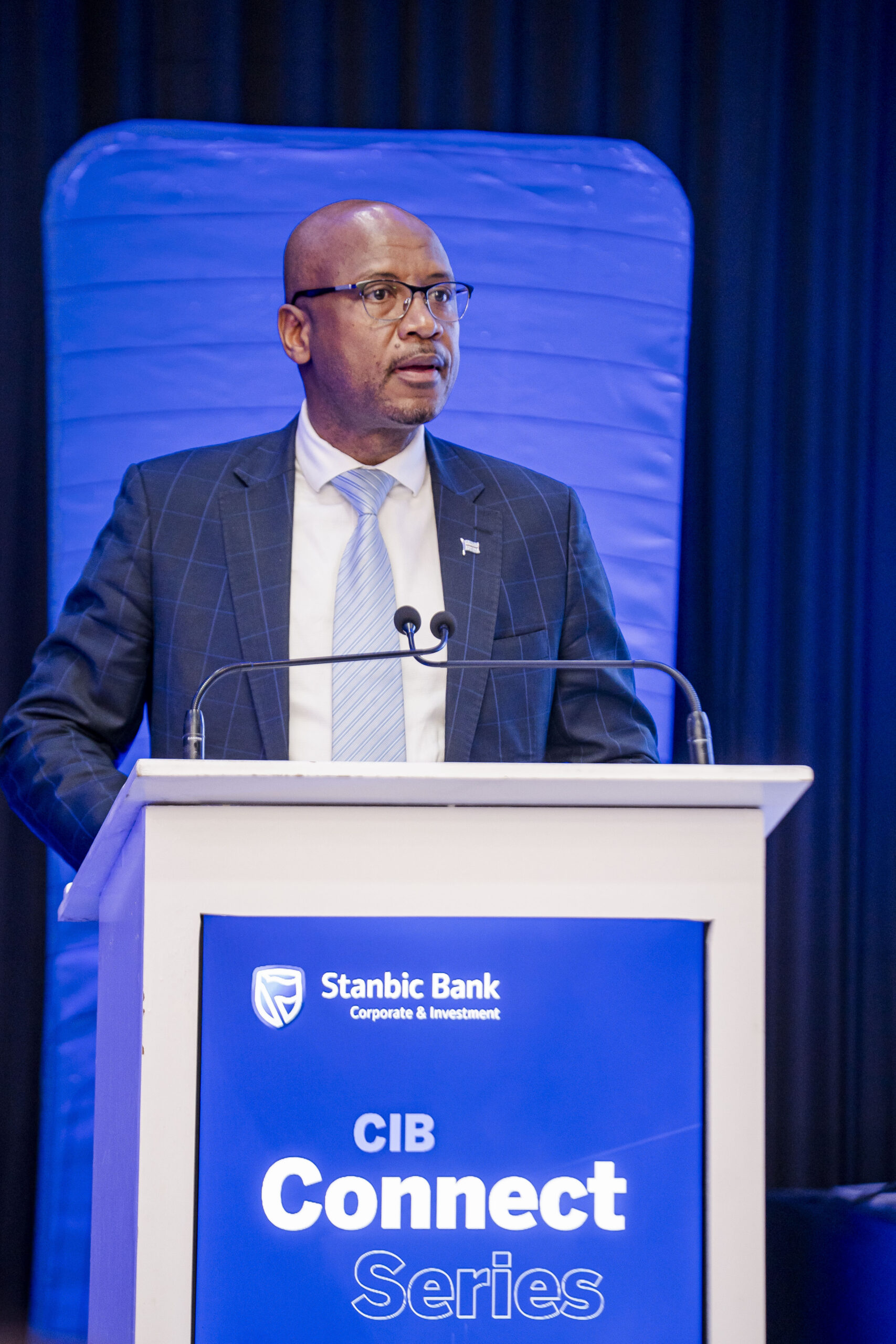
For Joel Ramaphoi, Permanent Secretary in the Ministry of Trade and Entrepreneurship, answering it begins with acknowledging that an economic model which served Botswana for decades is running out of road. “For decades, our economy relied on government spending fuelled by diamonds,” he told business leaders. “But the truth is very clear. The old model of procurement-led growth … has reached its natural limit.”
That was the why behind Stanbic Bank Botswana’s CIB Connect Series: Government officials, corporate leaders, economists and financiers sitting in one room not simply to catalogue a difficult economy, but to ask what must replace a model in which public spending has long fed private-sector activity.
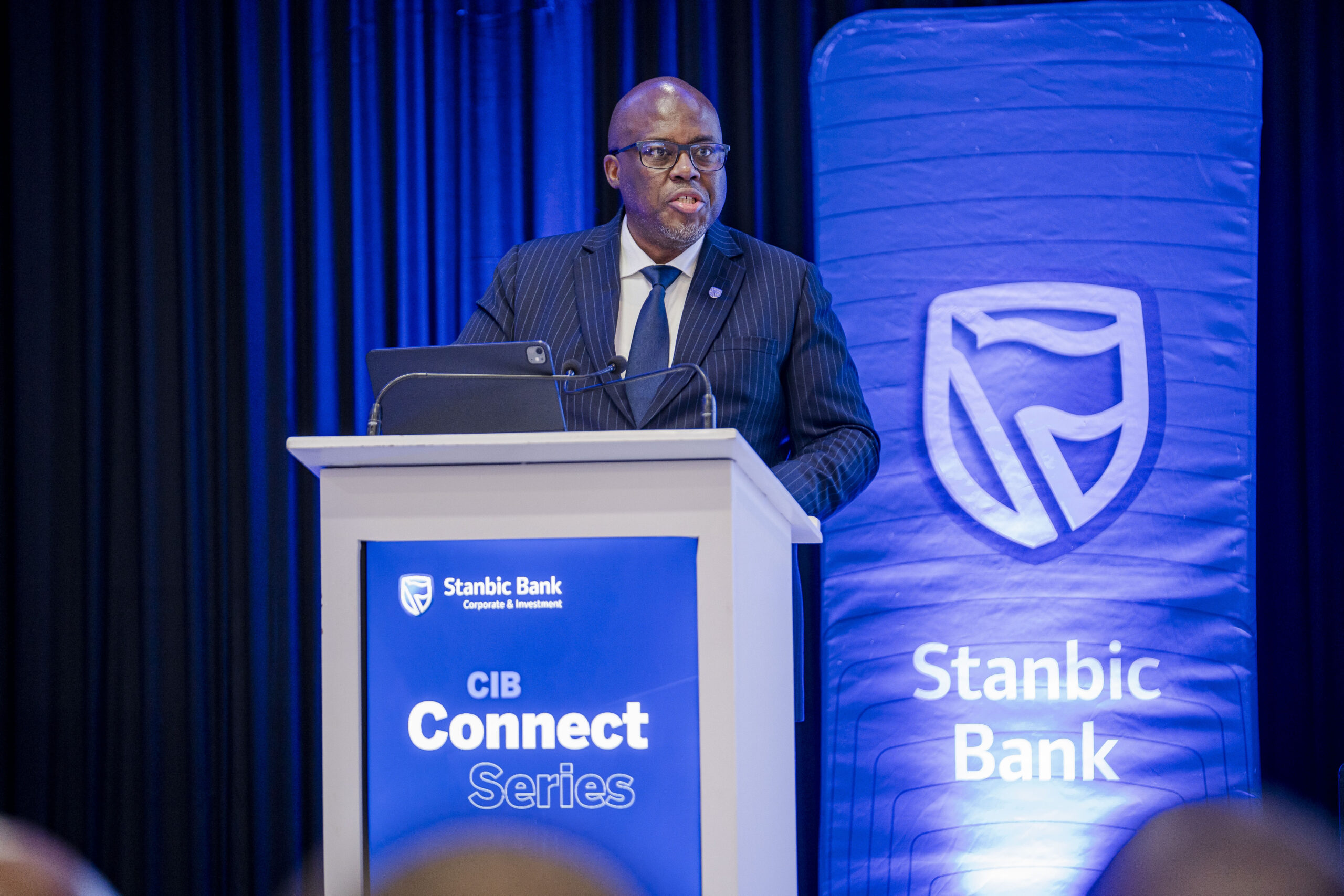
Stanbic Bank Botswana Acting Chief Executive Thomas Mpedi framed the challenge from the business end. “How do we protect growth, on how we manage rising costs, on how we preserve jobs and continue investing amidst the uncertainty?” he asked. “And most importantly, what needs to change for Botswana to build a stronger, more diversified and competitive private sector.”
LOOKING UNDER THE HOOD
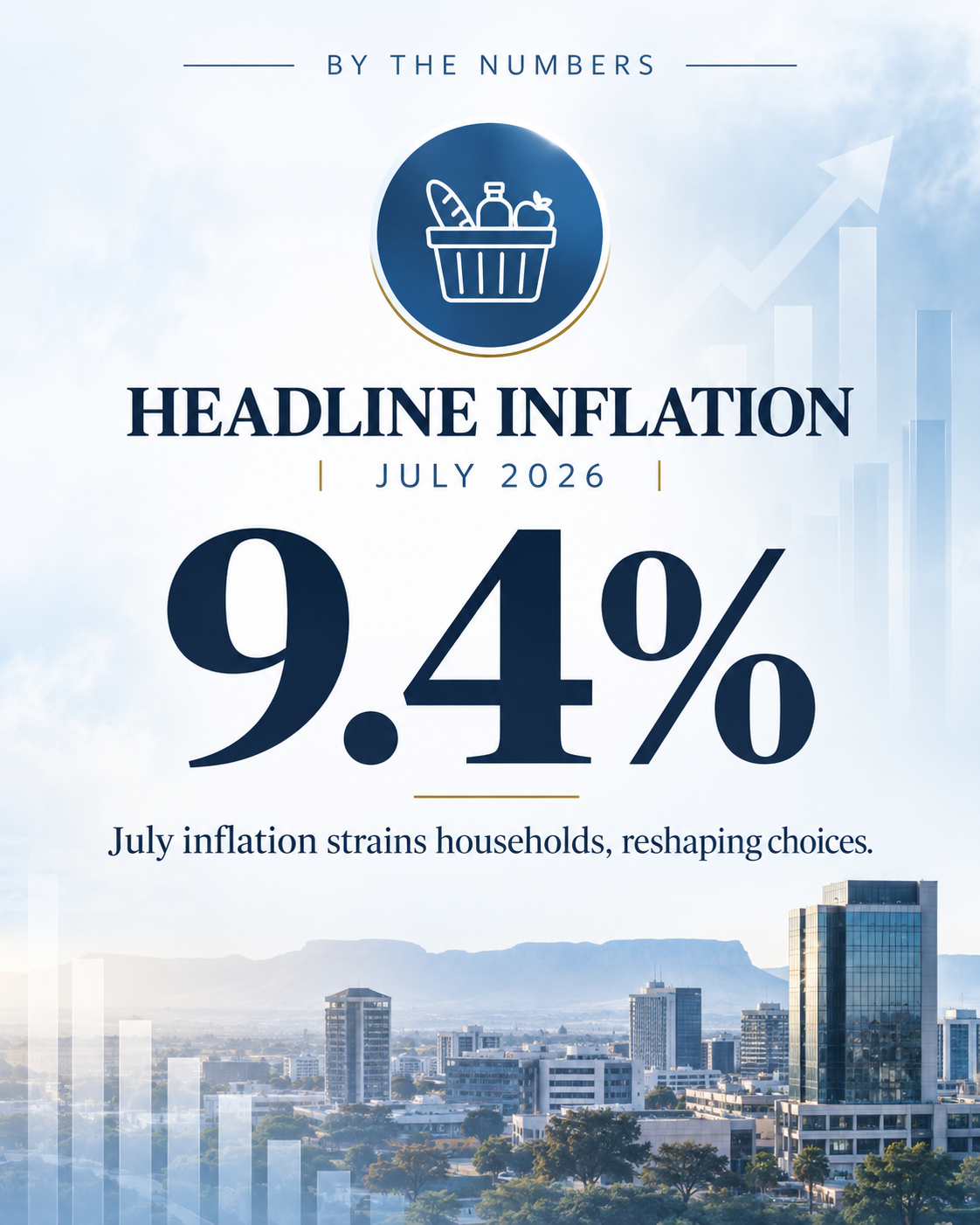
The economic backdrop gives that question urgency. Standard Bank Group Senior Economist for Africa Regions Research Godfrey Mwanza said headline growth of 3.5 percent year-on-year in the first quarter was welcome, but the composition mattered. “When you look under the hood, there are still some signs that we’re not back to where we want to be,” he said, noting that household expenditure and private-sector investment had not delivered the kind of growth economists would prefer to see.
Diamonds remain part of the problem. Production improved, but Mwanza said global demand had not returned to previous strength, with prices still low compared with recent years. For business, waiting for the old engine to restart is therefore hardly a strategy.
FROM BORDERS TO GATEWAYS
Ramaphoi’s prescription was more ambitious: Botswana companies have to stop defining their opportunity by the size of the domestic market. “Borders must not be seen to act as barriers. But as gateways to millions of regional consumers,” he said, pointing to AfCFTA, SACU and SADC.
That shift also demands different behaviour from all three sides of the economy. Government must reduce red tape and improve logistics; banks must become more capable of financing modern businesses whose prospects cannot always be read from traditional collateral; and entrepreneurs must improve transparency, forecasting and financial discipline.
“Government must enable, banks must empower, and entrepreneurs must execute,” Ramaphoi said.
BANKING BEYOND THE LOAN
For Stanbic, that puts banking beyond the transaction. Mpedi said the bank’s responsibility was to meet business ambition “with insight, with expertise, with networks, and with relationships.” Its Corporate and Investment Banking business has more than P5 billion in assets and supports businesses through expansion finance, trade, foreign-exchange and liquidity risk management, while the wider Standard Bank network offers a bridge into African markets.
But the sharpest challenge of the discussion was reserved for entrepreneurs themselves. “Graduate from the culture of the government invoice or GPOs, build businesses designed to win international clients, and bring your banker into your expansion plans early,” Ramaphoi said.
THE REAL COMPETITIVENESS TEST
That may be the test that matters beyond the present economic cycle. Botswana does not simply need businesses capable of surviving a difficult year. It needs businesses built for an economy in which Government is no longer the customer of first resort, banks finance new engines of production, and Botswana companies go looking for customers beyond the border.