

Six decades after independence, Botswana’s partnership with De Beers stands as a defining force in the country’s development, even as the economy prepares for a future in which diamonds can no longer carry the same weight.
DR DOUGLAS RASBASH
As Botswana celebrates 60 years of independence, the story of its development cannot be told without De Beers. Few commercial relationships have influenced the course of a nation as profoundly as the partnership between Botswana and the diamond company. It became a partnership through which the wealth beneath Botswana’s soil was converted into schools, hospitals, roads, water systems, public institutions and the foundations of a modern state.

FIRST FOUNDATIONS
When Botswana became independent in 1966, it was one of the poorest countries in the world. It had a very small formal economy and an overwhelmingly rural population. Government revenue was scarce and the country depended heavily upon external assistance. The discovery of diamonds could easily have produced extraction without development. Instead, Botswana and De Beers constructed something different.
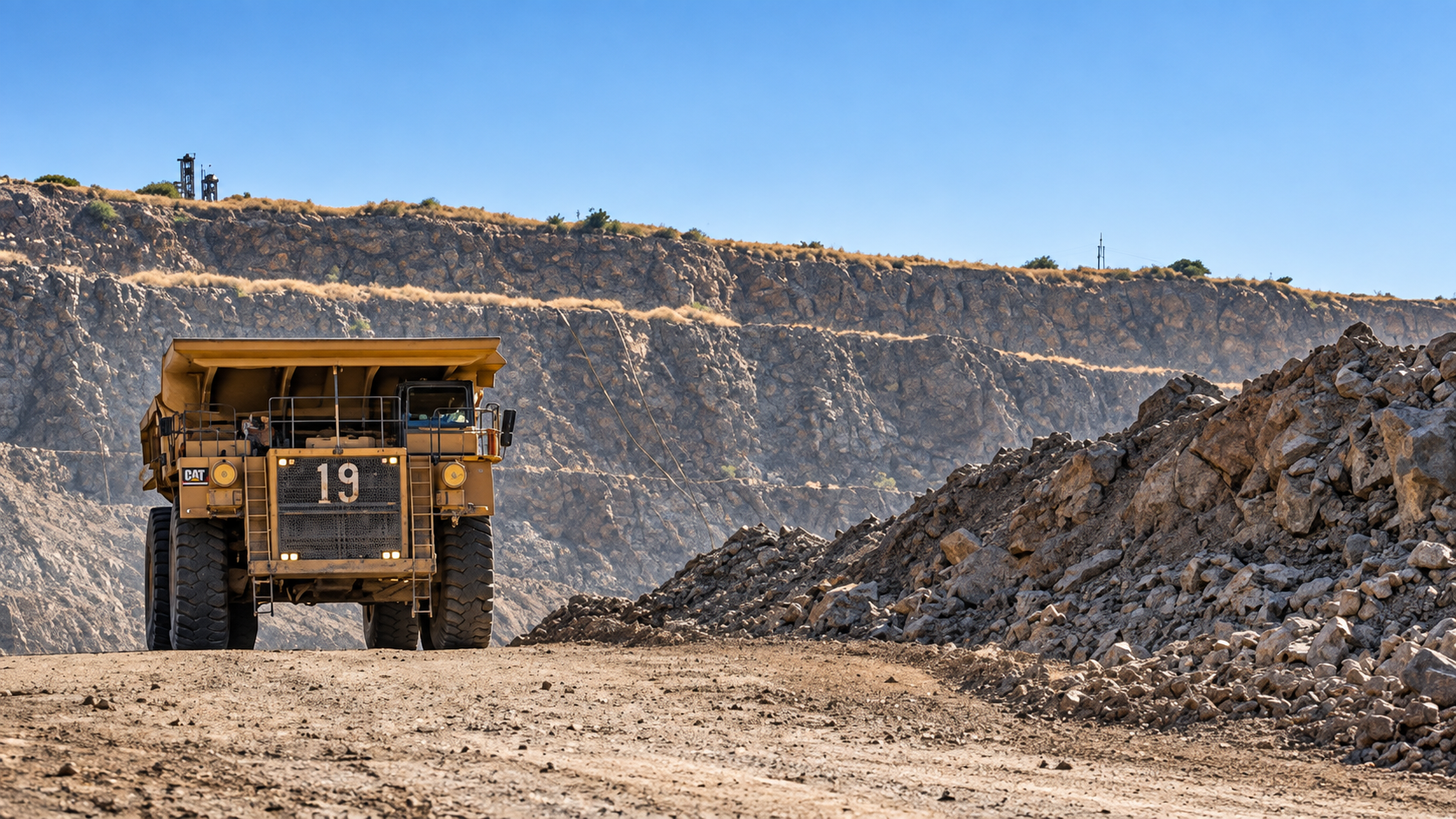
In 1969, the Government and De Beers established what became Debswana. Eventually structured as an equal partnership, it gave Botswana not merely taxes and royalties but ownership, dividends, knowledge and a direct voice in the management of its most important national resource. Orapa began production in the early 1970s, followed by Letlhakane and Jwaneng, which developed into one of the richest diamond mines in the world by value.
SHARED VALUE
The significance of the arrangement went far beyond mining. Diamonds became the financial engine of Botswana’s development. Their revenues enabled successive governments to extend education, healthcare, clean water and infrastructure across a vast and sparsely populated country.
Botswana’s achievement was rightly its own. Wise political leadership, fiscal discipline, social stability and strong institutions ensured that diamond revenues were largely used for national development rather than private enrichment. But De Beers was an essential partner. It brought capital, technology, geological expertise, access to international markets and a deep understanding of the global diamond trade. Botswana contributed the resource, political stability and an increasingly capable state.
VALUE CHAIN
The partnership also evolved. Botswana did not remain a passive supplier of rough stones. Over time, the country negotiated a larger role in the diamond value chain. The establishment of Diamond Trading Company Botswana and the transfer of De Beers’ international sales activities from London to Gaborone were historic steps. They brought sorting, valuation, sales, skills and international diamond buyers closer to the place where the stones were mined. Botswana also established the Okavango Diamond Company, giving the country a growing independent route to market.
 This progression reflected an important characteristic of the relationship: it could be renegotiated. There were disagreements over prices, sales, ownership, beneficiation and the division of benefits. Yet the partnership endured because both sides recognised their mutual dependence. Botswana needed commercial expertise and reliable access to global markets; De Beers needed Botswana’s exceptional diamond resources and the legitimacy that came from a stable, long term partnership with the country that owned them.
HUMAN LEGACY
The contribution was also human. Debswana trained generations of Batswana as engineers, geologists, artisans, technicians, administrators and executives. During the HIV/AIDS crisis, Debswana’s response helped establish an important precedent for workplace treatment and care at a time when the epidemic threatened families, institutions and the country’s development gains.
There is, therefore, much to celebrate. The diamonds extracted from Orapa and Jwaneng did not simply become jewellery in distant markets. A significant share of their value returned to Botswana and became part of the everyday architecture of national life.
ERA OF TRANSITION
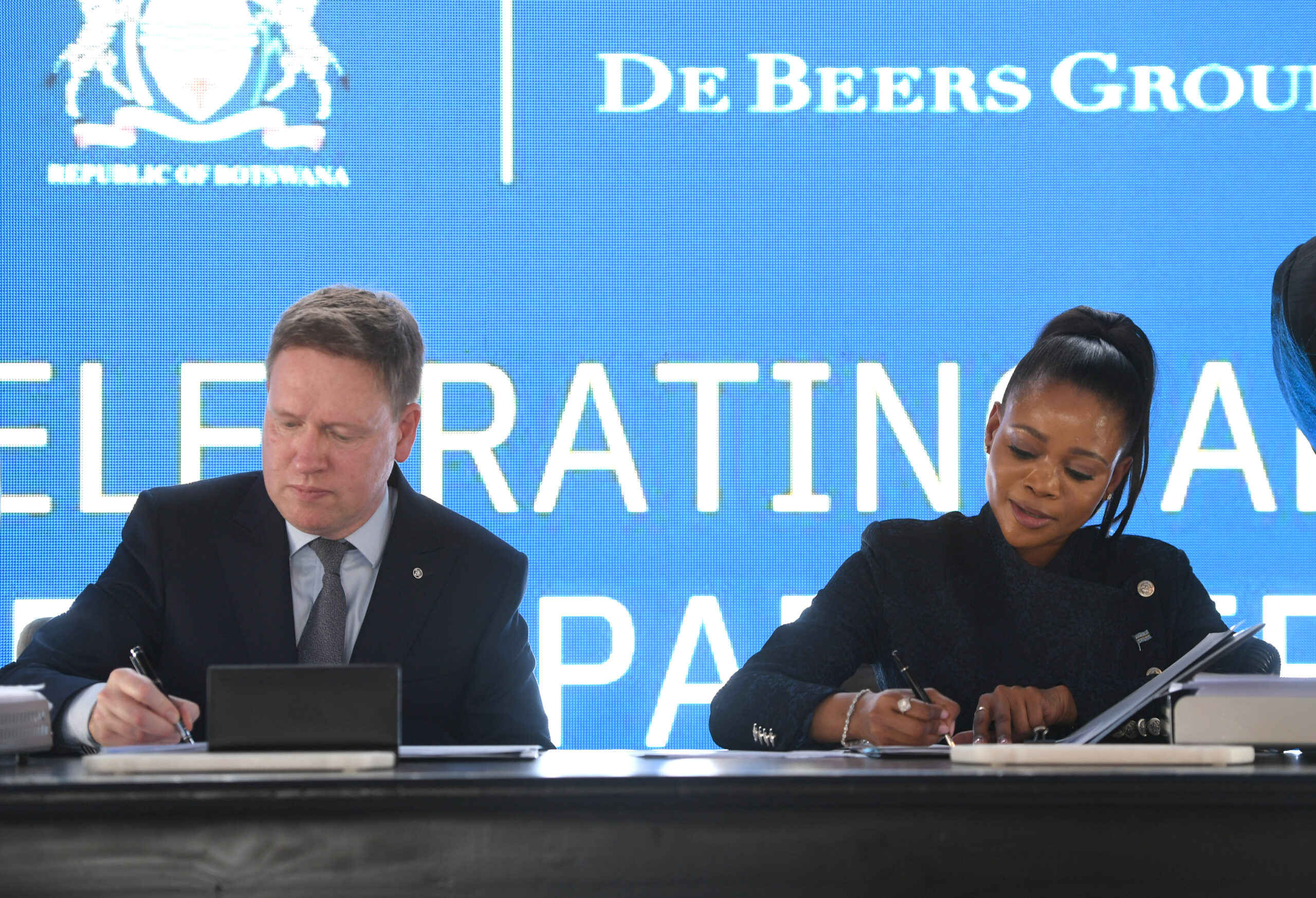
Yet Botswana’s 60th anniversary arrives at a moment of transition. In 2025, Botswana and De Beers formally concluded a new sales agreement and extended Debswana’s mining licences through to 2054. But the economic era created by diamonds is drawing to a close.
This does not mean that diamond mining will suddenly end. Projects such as the transition of Jwaneng from open pit to underground mining may sustain production for decades. But diamonds can no longer be expected to carry the economy as they once did. Deposits become deeper and more expensive to mine. Global demand has weakened, consumer preferences are changing, and laboratory grown diamonds have introduced a permanent new competitor into the market. The extraordinary revenues of earlier decades cannot safely be assumed to return.

NEXT ECONOMY
The end of an era is not a condemnation of what went before. On the contrary, it is evidence of what the partnership achieved. Diamonds gave Botswana something more valuable than stones: they gave it time. They financed the creation of a healthier, better educated, more connected and more capable society. They gave the country six decades in which to build the foundations of the economy that must now follow.
The challenge is to convert those foundations into productive diversification. Botswana must use its accumulated infrastructure, institutions, skills and international reputation to develop new sources of export earnings and employment. Renewable energy, modern agriculture, financial and digital services, tourism, manufacturing and regional logistics must move from policy aspirations to functioning industries. Diamond wealth must become human and productive capital before declining revenues narrow the country’s choices.
LASTING PARTNERSHIP
De Beers should be remembered not as a benevolent outsider that developed Botswana, but as a commercial partner in one of the most successful resource relationships of the modern era. Botswana supplied the leadership, discipline and democratic legitimacy; De Beers supplied expertise, investment and access to the global diamond economy. Together they showed that mineral wealth need not become a curse.
 At 60, Botswana can look back with gratitude and pride. The partnership with De Beers helped turn a poor, landlocked country into a respected and stable African state. But the greatest tribute to that partnership will not be an attempt to preserve the diamond era forever. It will be to use everything that era created to build the next Botswana: diversified, productive and prosperous long after diamonds have surrendered their place at the centre of the national story.