
 A 2nd Republic Policy Think Tank proposal argues that Botswana can cut duplicated government machinery, reorganise the state around outcomes and place public enterprises under professional commercial management.
DR DOUGLAS RASBASH
Botswana’s next chapter requires a government that costs less to administer and delivers more to its citizens. A new 2nd Republic Policy Think Tank report puts institutional reform at the centre of the transitional challenge. Botswana has spent six decades building the state. The task now is to rebuild its machinery for an economy that can no longer assume diamonds will pay for its continued expansion. This is not simply a question of cutting expenditure. A government can spend less and perform worse. The more demanding question is whether Botswana can reduce administrative duplication while improving the services, infrastructure and economic opportunities on which citizens depend.
REFORM MOMENTUM
At the September 24 consultation on the proposed State-Owned Enterprise Ownership Policy, Vice President and Minister of Finance Ndaba Gaolathe acknowledged the contribution public enterprises had made to Botswana’s development, while arguing that tighter finances and rising public expectations required a different approach. State ownership, he indicated, should rest on a genuine economic, strategic or social purpose. Reporting on the proposals on September 29, Mmegi highlighted possible consequences for enterprises that no longer justified their place in public ownership: restructuring, mergers, private-sector partnerships, divestiture or closure.
The 2nd Republic Policy Think Tank’s government restructuring policy report takes this argument further. It asks whether the architecture of government itself has become an obstacle to the outcomes Botswana now needs.
FRAGMENTED STATE
The report recognises the achievements of Botswana’s public administration. The institutions developed after independence helped extend education, healthcare, roads and water services across a large and sparsely populated country. Their contribution should neither be dismissed nor confused with the question of whether their present organisation remains appropriate.
Over time, however, ministries, departments and agencies have accumulated a questionable level of independence. Each institution brings its own leadership, reporting requirements and administrative machinery. Human resources, finance, procurement, information technology, communications and facilities management are repeatedly reproduced across government. The logic of separating agriculture from industry when the future lies in agro-processing, or mining from downstream value addition, also runs counter to policy. The need to maximise synergy out of silos could not be greater.
FIVE DEPARTMENTS
The report proposes reorganising government into five integrated Departments of State, grouping related responsibilities around the outcomes they should achieve. Each department would retain specialist expertise while bringing planning, budgets, administrative systems and accountability into a coherent framework.
The Department of Human Development and Social Equity would bring together education, health, labour, youth, gender, social protection, sport, arts and culture. Success would be judged by improvements in people’s lives, including learning, health, access to work and reduced vulnerability.
The Department of Economic Transformation and Innovation would combine finance and economics, trade, industry, tourism, agriculture, science and technology, and minerals. It would also house the proposed SOE holding company. Its central task would be to expand productive activity, employment and value creation beyond diamonds.
The Department of Economic Infrastructure and Enablers would integrate transport, energy, water, ICT and public infrastructure. These systems determine whether households can access services and businesses can operate competitively.
The Department of Security, Diplomacy and Regional Cooperation would bring together defence, immigration, nationality, foreign affairs, intelligence, security, cyber security and disaster risk management. Border management would support both security and legitimate movement, while diplomacy would advance cooperation on trade, infrastructure and shared risks.
The Department of Governance, Justice and Public Service would encompass justice, traditional leadership, local government, land, environment and national development planning. It would support the rule of law, strengthen public administration and coordinate national planning and performance assessment.
Shared services for human resources, budgeting, accounting, procurement, transport, IT support, legal advice and other common functions would reduce repeated administrative machinery. The deeper principle is that government administration should cease expanding automatically with the economy. A more prosperous Botswana should be able to provide better public services through stronger institutions and higher productivity, without continually multiplying offices, management layers and processing costs.
COMMERCIAL STATE
SOE reform should aim beyond improved supervision of individual public enterprises. The 2RPTT proposal envisages a Botswana State Enterprise Holdings Group: a corporatised, diversified industrial giant, ultimately listed on the Botswana Stock Exchange, bringing major public commercial assets under professional ownership and management. Hon Gaolathe’s proposed ownership policy envisages a hybrid arrangement in which line ministries retain strategic responsibility alongside consolidated oversight. The think tank’s proposed model would make a more decisive break, removing line ministries entirely from shareholder functions, board appointments and enterprise management. Ministers would determine public policy within their lawful mandates, while independent regulators would regulate. Commercial decisions would belong to the holding group’s professionally appointed board and management.
The purpose would be to build a substantial Botswana enterprise spanning utilities, energy, transport, communications, industry and investment. Separate operating subsidiaries would retain their technical expertise, while the parent group would allocate capital, coordinate investment, develop commercial opportunities and impose consistent financial discipline. An indicative starting portfolio would include Botswana Power Corporation, Water Utilities Corporation, Botswana Oil, Botswana Railways, Air Botswana, BotswanaPost, Botswana Fibre Networks and Botswana Development Corporation.
Listing the parent group on the BSE would allow citizens, pension funds and other investors to participate in a diversified portfolio of national enterprises. Government could retain a controlling shareholding, while ownership would be exercised through transparent corporate arrangements rather than ministerial direction. Listing would follow restructuring, credible valuations, audited accounts and a demonstrable investment case.
PUBLIC SERVICE
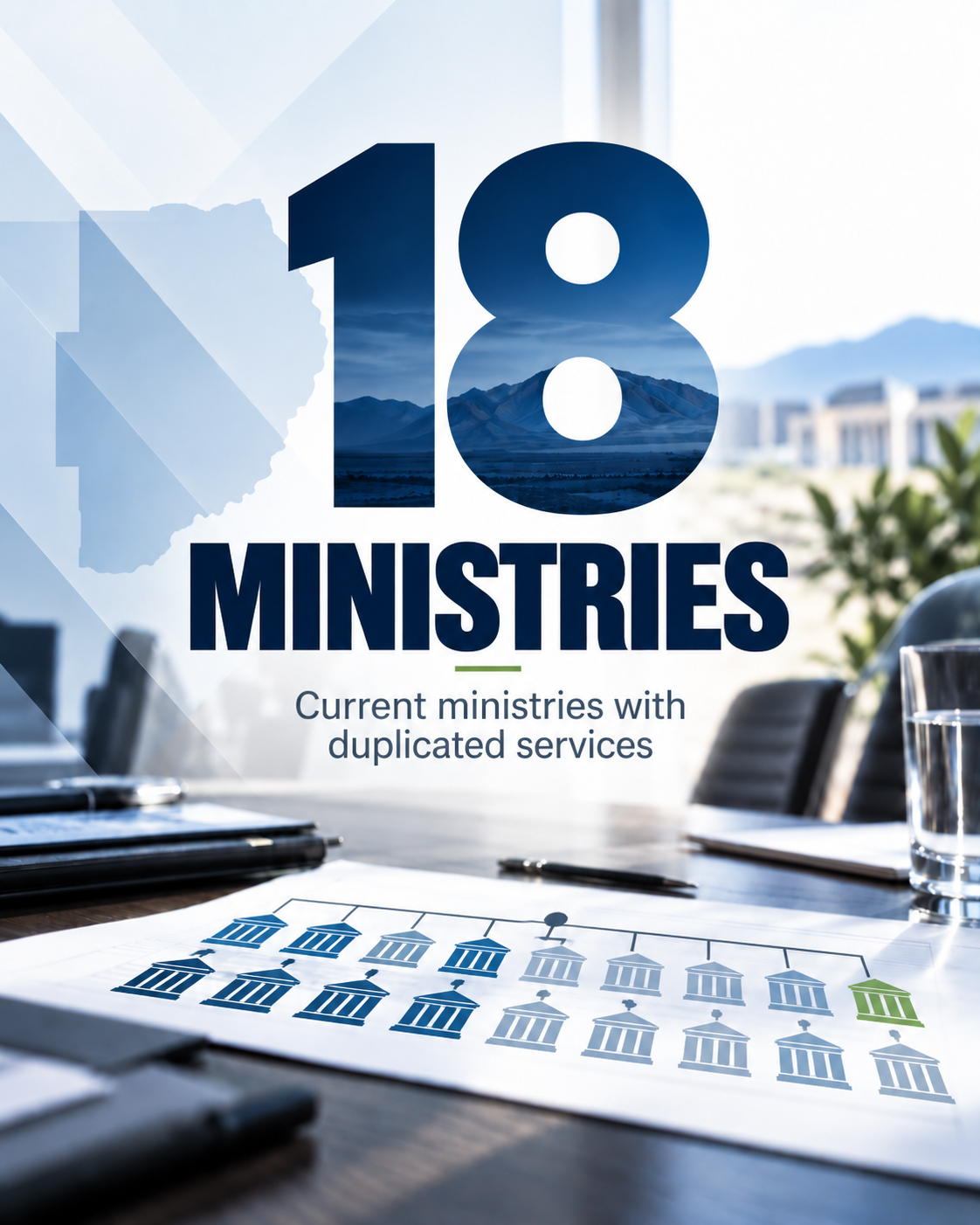
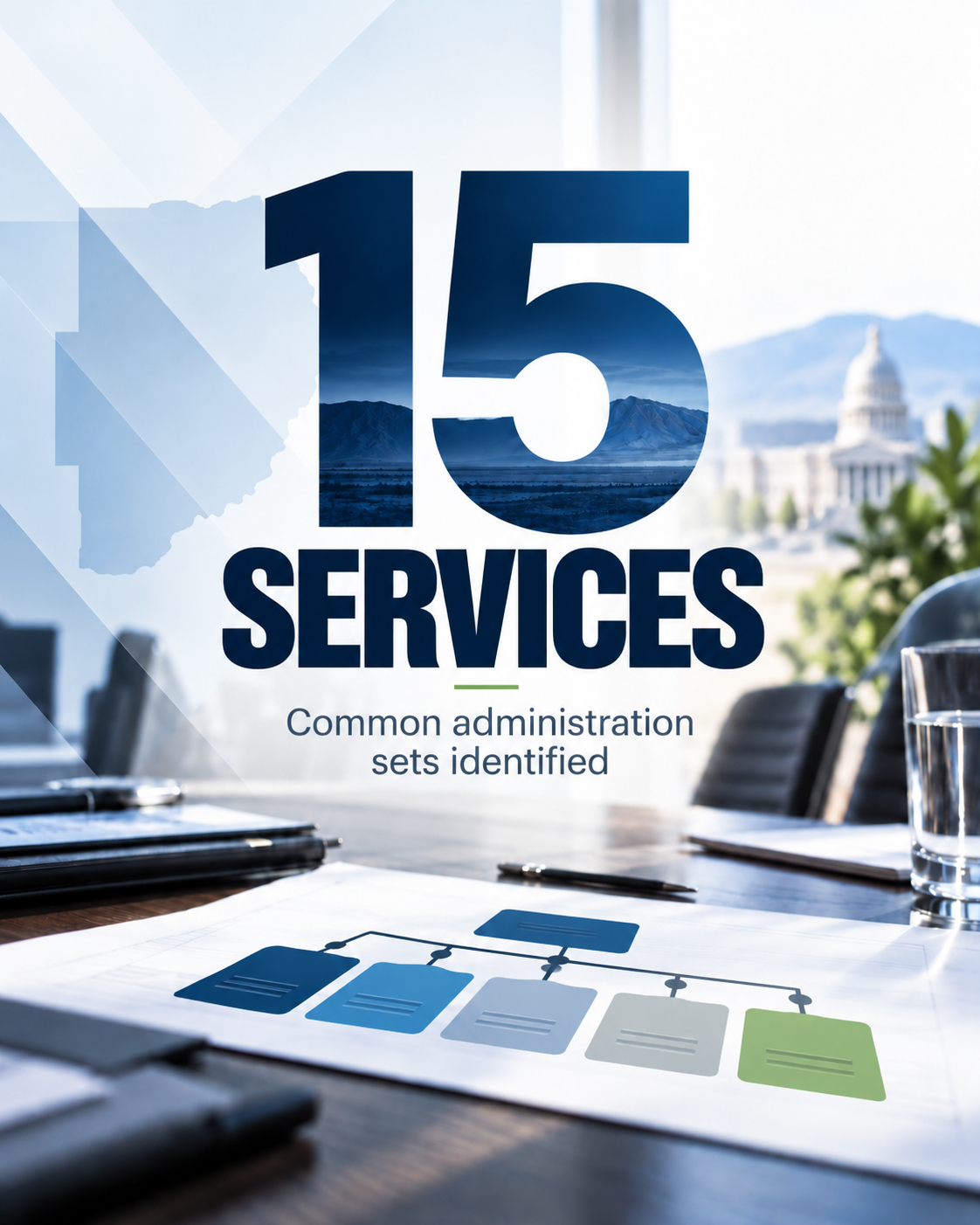
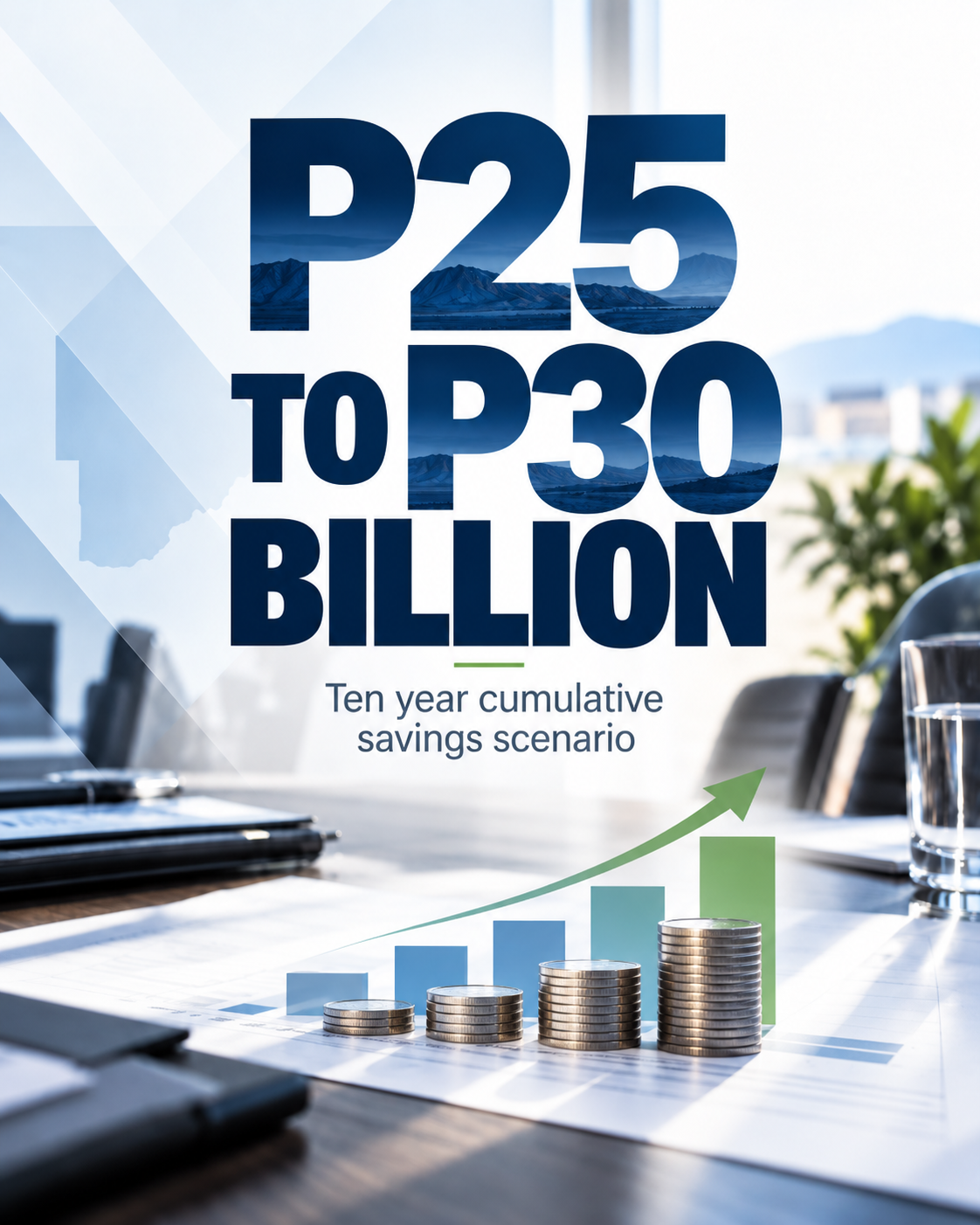
There are at least 15 similar and duplicated sets of administration and corporate services commonly provided in each of the 18 ministries which the report argues should be rationalised. Together they employ about 1000 officials. The report sets out a central scenario of approximately P25 billion to P30 billion in cumulative savings over ten years. It also anticipates increasing efficiency measures to reduce overheads and the growing application of artificial intelligence.
The ultimate measure of reform must be the citizen’s experience. Faster approvals, reliable utilities, functioning infrastructure, accessible services and clearer accountability matter more than a new organisational chart.
PUBLIC DEBATE
To examine these choices, the 2nd Republic Policy Think Tank will host a public online webinar, “Rebuilding the State: Can Botswana govern better with less?”, on Thursday, October 8, 2026, from 09:30 to 11:00 Botswana time. The advertised panel comprises Dr Patrick Molutsi, Sennye Obuseng, Biggie Butale and Dr Douglas Rasbash.
Botswana’s first sixty years demonstrated what a capable state could build. Its next chapter will depend on how effectively that state enables people to build livelihoods of their own.